
AI 3D Model Generation: The Future of Asset Creation
Explore how AI is revolutionizing 3D model creation, making professional-quality assets accessible to developers of all skill levels.
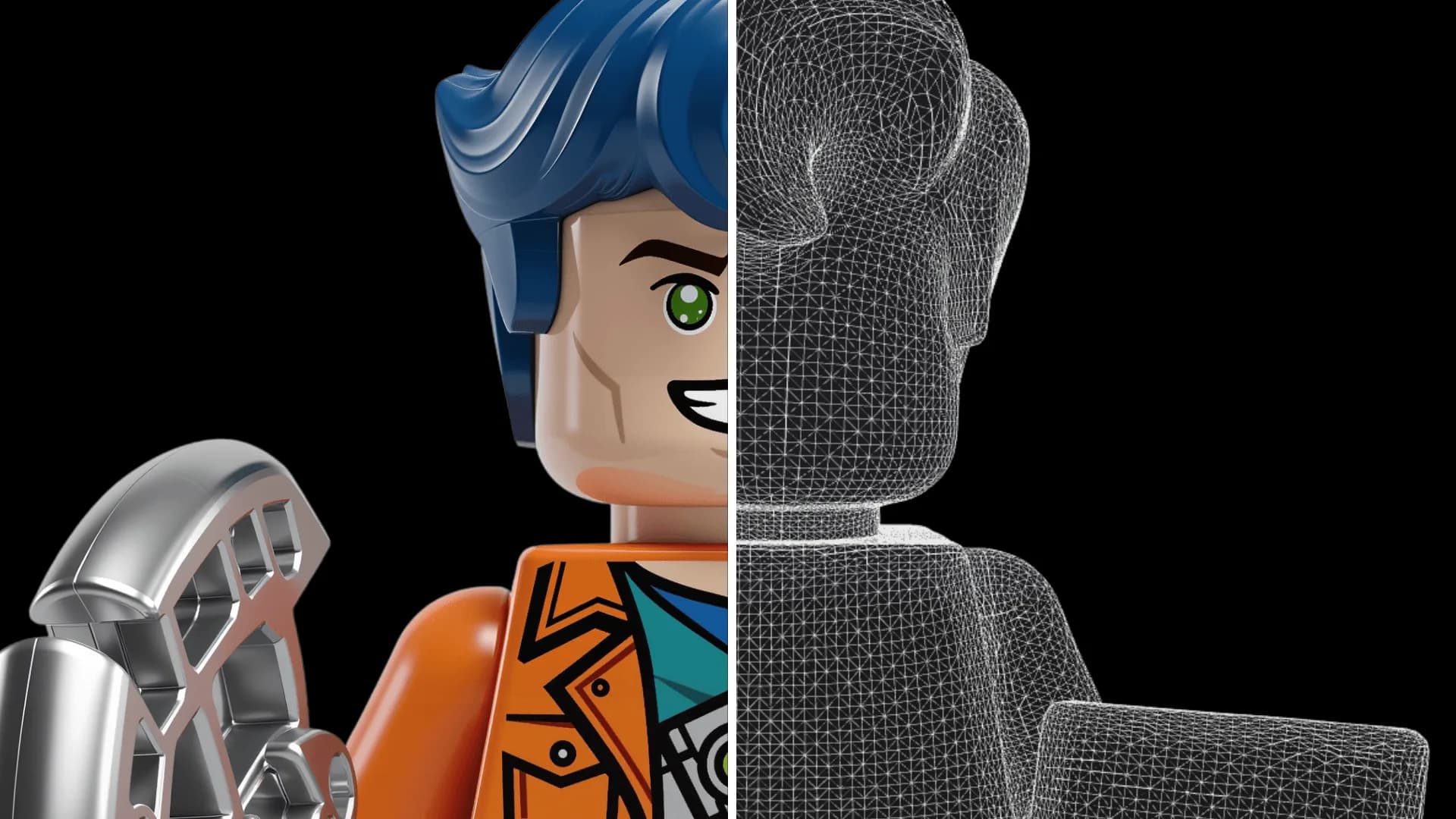
The world of 3D modeling has long been dominated by skilled artists using complex software, requiring years of training and significant financial investment. AI 3D model generation is changing this landscape, democratizing access to professional-quality 3D assets and revolutionizing development workflows across industries.
Breaking Down Traditional Barriers
Traditional 3D modeling presents several challenges that AI generation elegantly addresses:
- High skill barrier requiring extensive training
- Expensive software and hardware requirements
- Time-intensive modeling and texturing processes
- Difficulty maintaining consistency across multiple assets
- Limited iteration speed for exploring different concepts
AI 3D model generation removes these barriers, enabling creators to focus on creative vision rather than technical execution.
Applications Across Industries
Game Development: Create character models, environmental assets, and props with unprecedented speed. From indie studios to AAA developers, teams are using AI to prototype concepts and generate production-ready assets.
Architecture & Visualization: Generate furniture, fixtures, and decorative elements for architectural visualizations, enabling rapid prototyping of spaces and concepts.
Product Design: Create initial prototypes and concept models for physical products, accelerating the design iteration process.
Education: Enable students and educators to focus on design principles rather than getting bogged down in technical modeling details.
Quality and Customization
Modern AI 3D generation produces models that rival traditionally created assets. Advanced algorithms ensure proper topology, UV mapping, and material assignment, creating production-ready assets that integrate seamlessly into existing pipelines.
Customization options allow precise control over style, complexity, and technical specifications, ensuring generated models meet specific project requirements.
Integration and Workflow
AI 3D model generation integrates smoothly into existing development pipelines. Generated models export in standard formats (FBX, OBJ, glTF) and are compatible with major 3D software and game engines.
The iterative nature of AI generation allows for rapid exploration of design variations, enabling teams to quickly converge on optimal solutions.
Revolutionize Your 3D Asset Pipeline