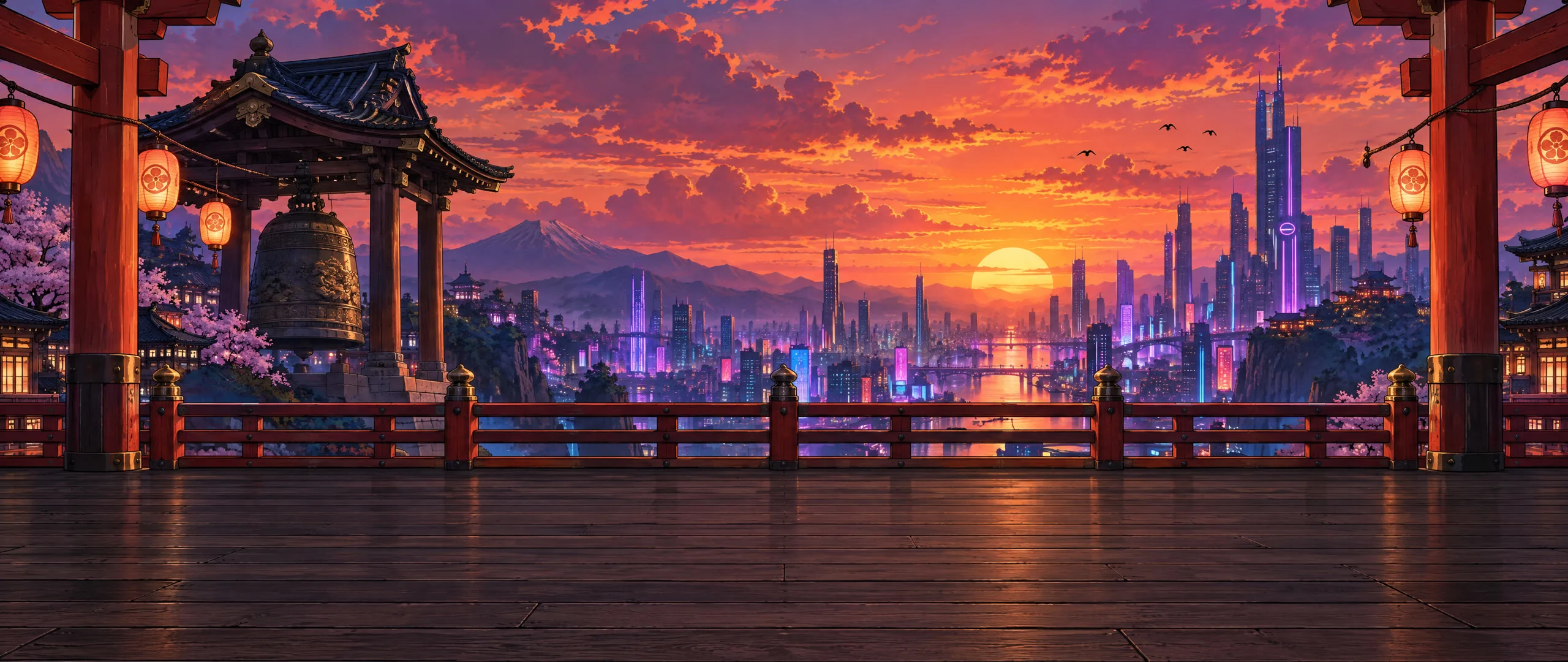
Neon DuskTokyo · Ren

Made with Scenario
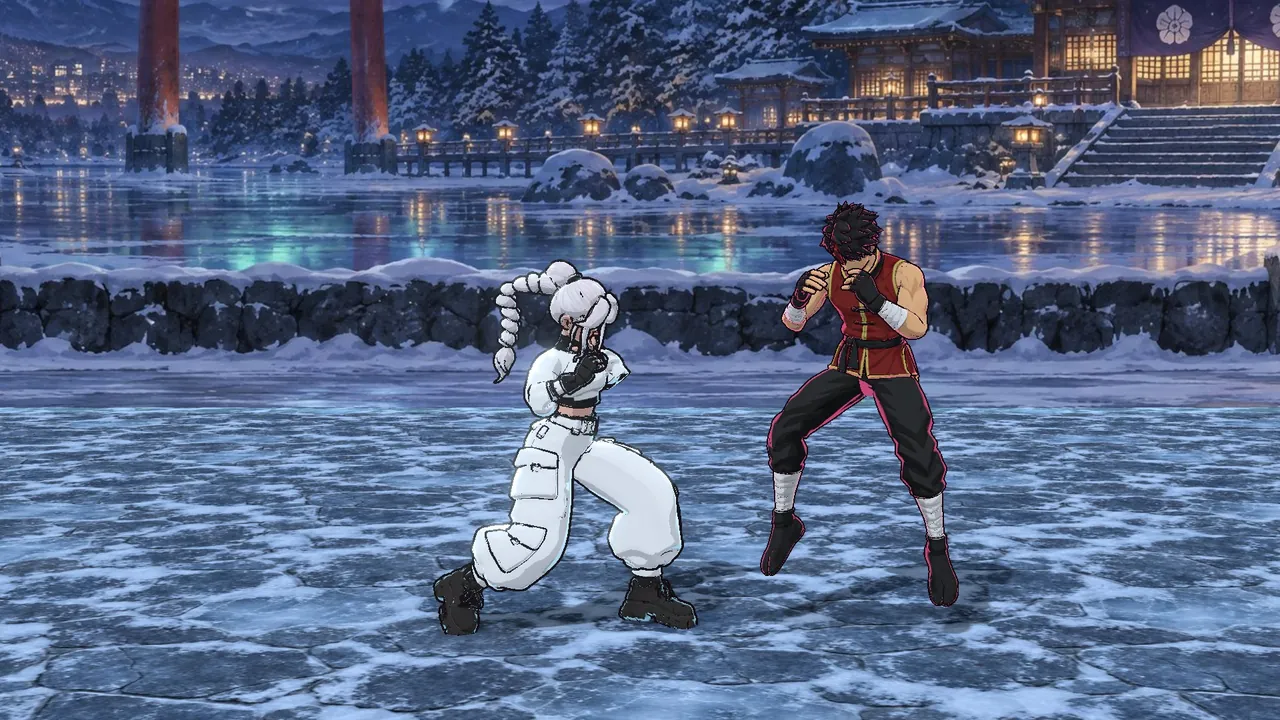
A cel-shaded 3D fighting game that runs in your browser. Every fighter, move, stage, song and voice was generated on Scenario, then assembled into a game by an AI agent in three days.
Free · keyboard or gamepad · four fighters, a world tour and a final boss
Each fighter starts as a single piece of art. No sculpting, no hand rigging: three Scenario models take it from a flat picture to a skeleton ready for animation.
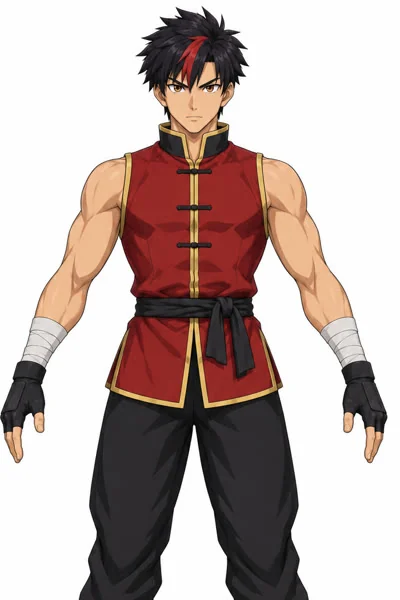
A reference picture of the fighter.
A clean, front-facing sheet.
A textured model of about 40,000 triangles.
A 52-bone humanoid skeleton.
One still in, one short take out.
The take becomes animation on the fighter.
Frames, hitboxes, shaders, sound.
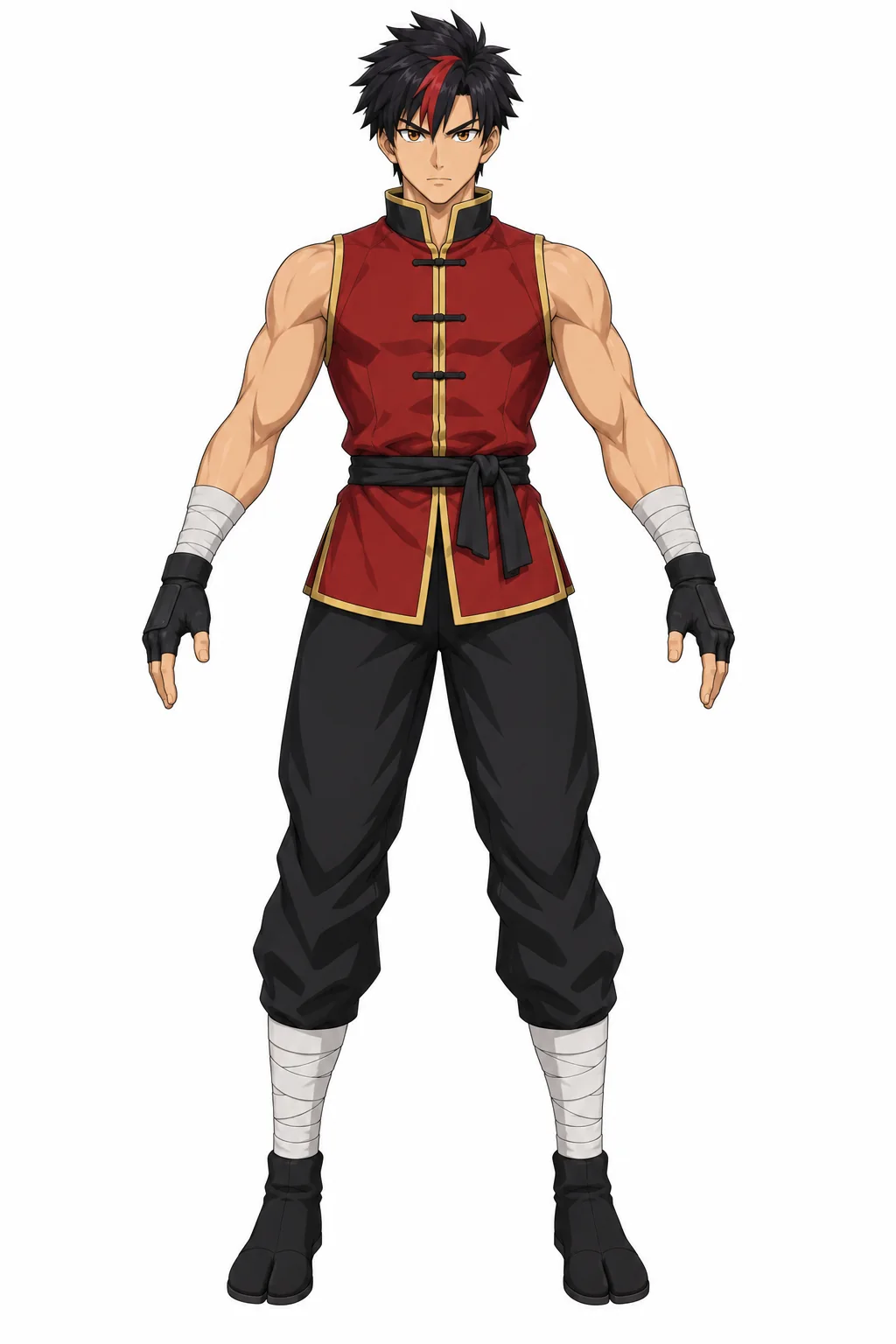
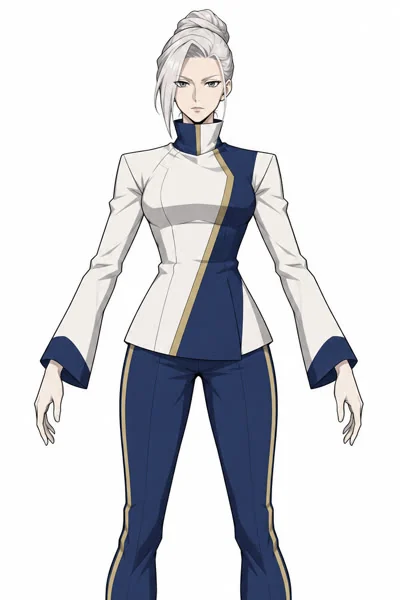
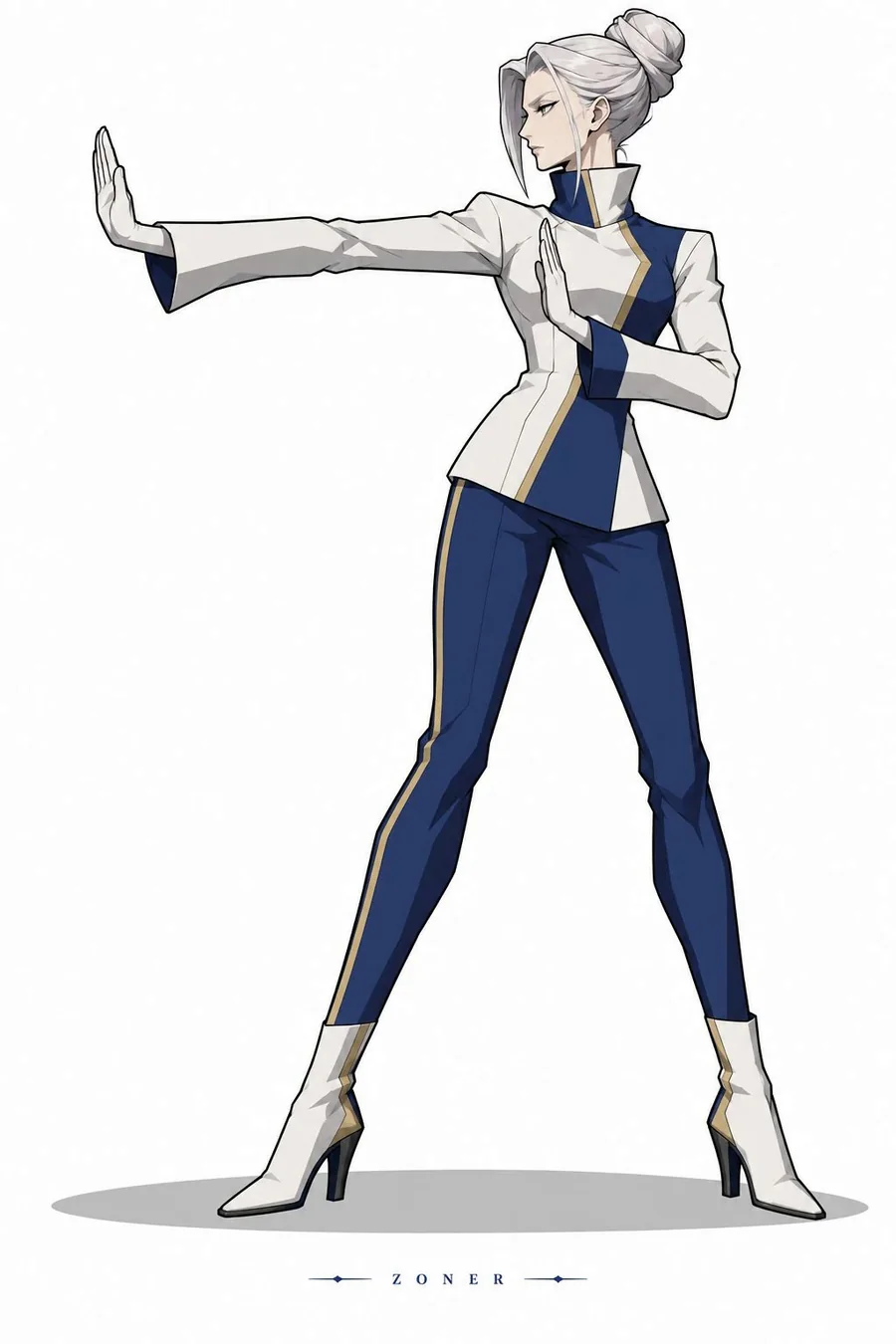
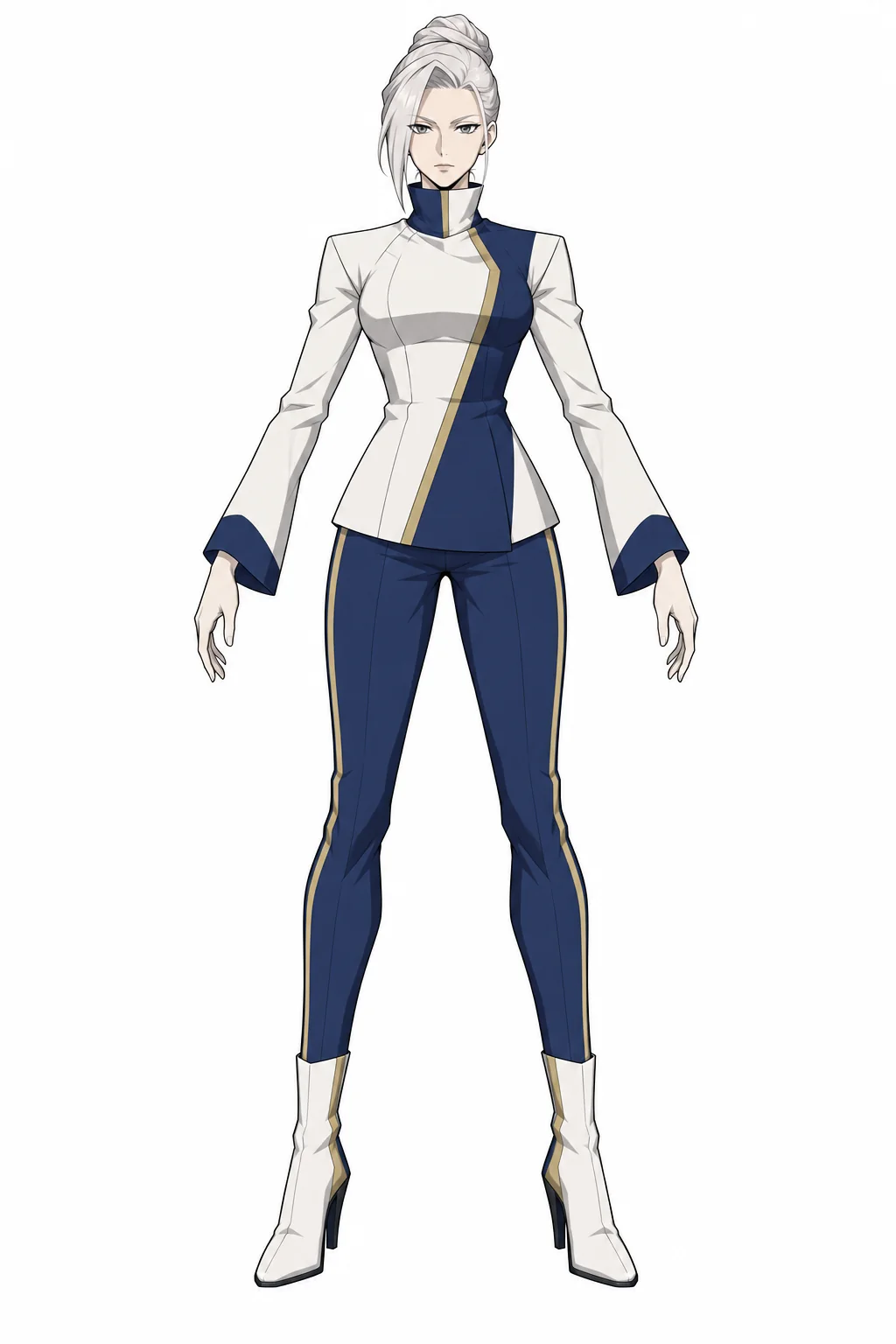
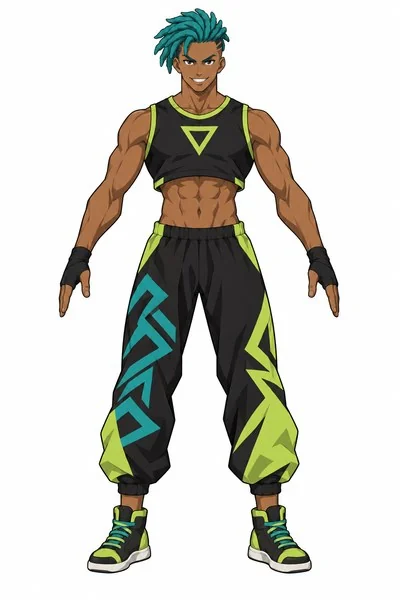
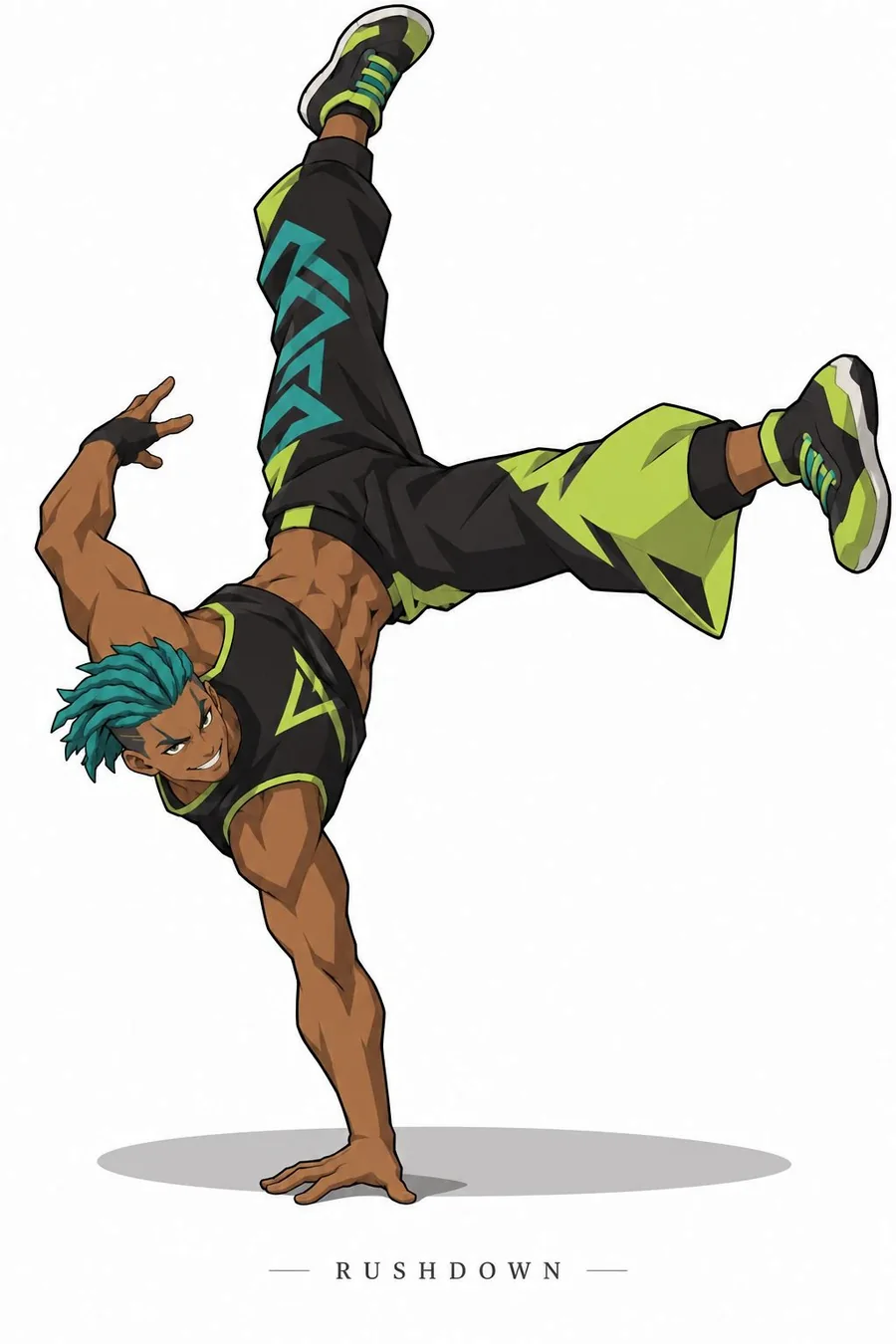
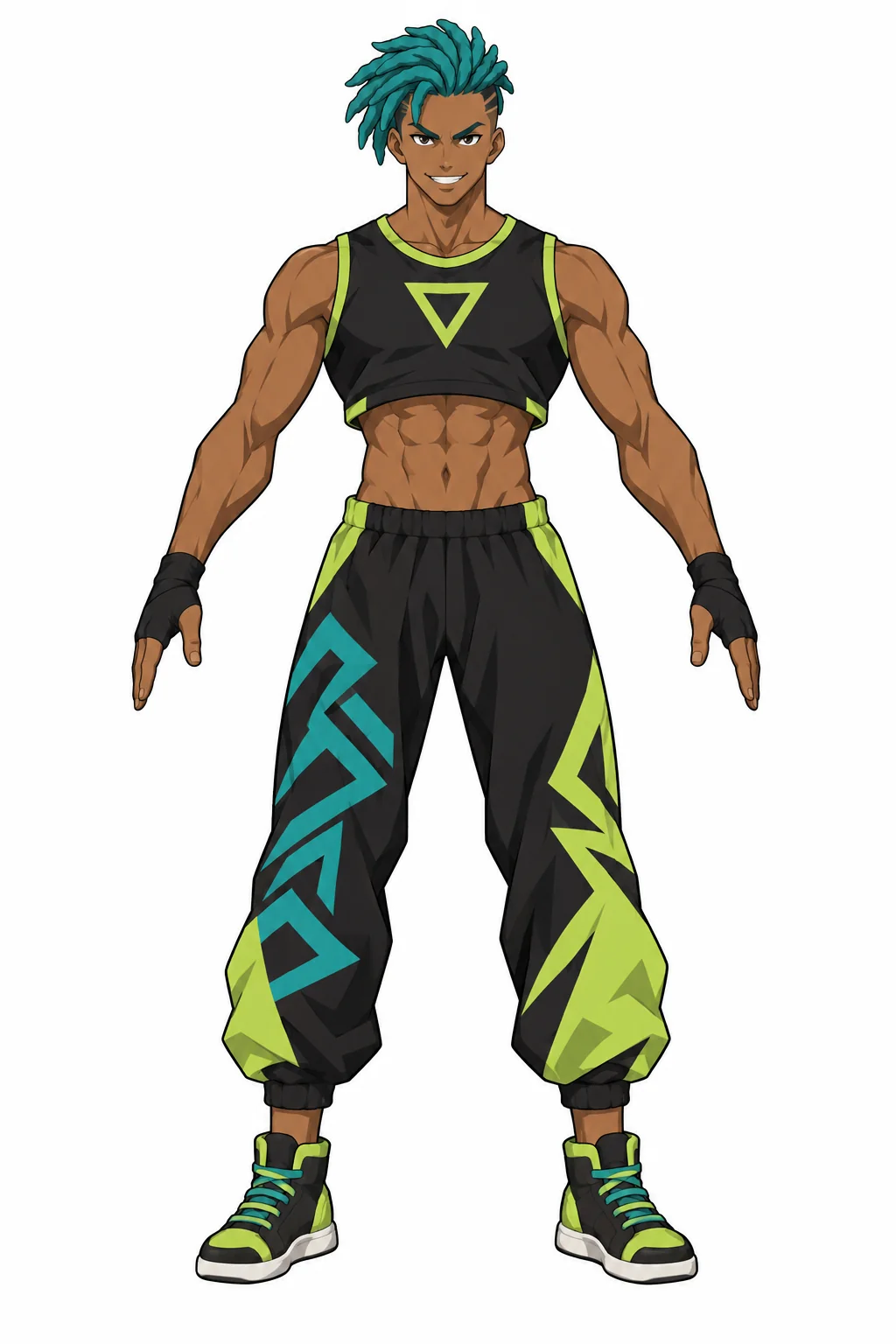
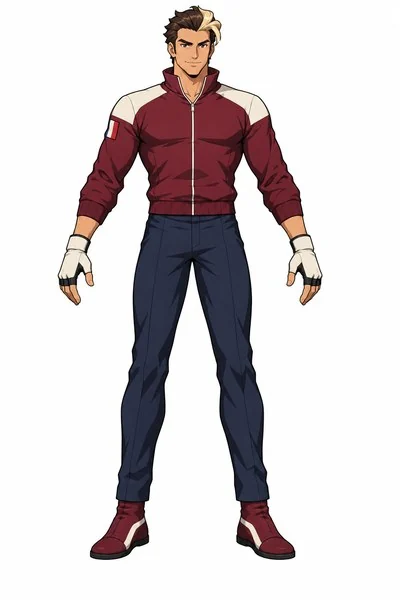
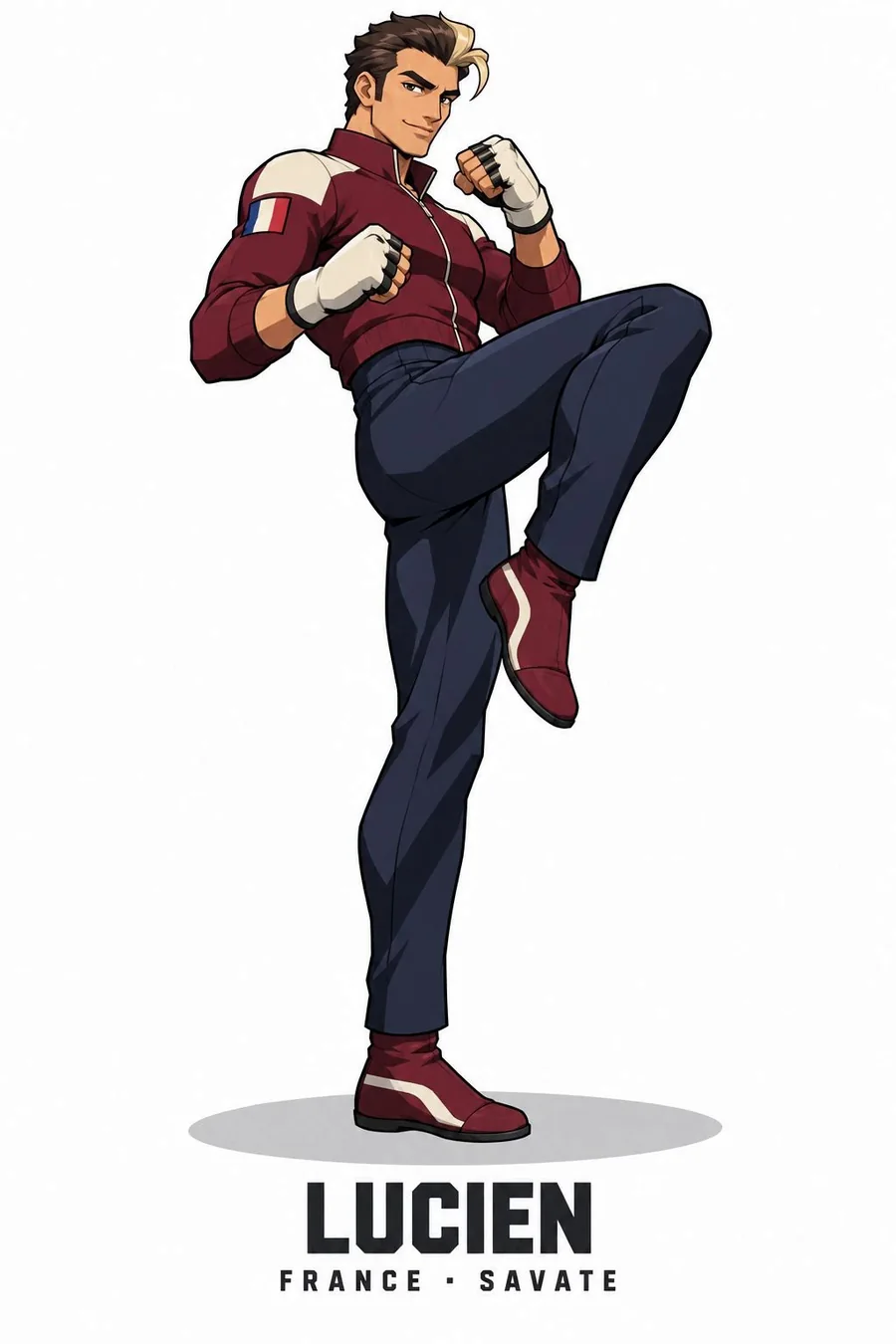
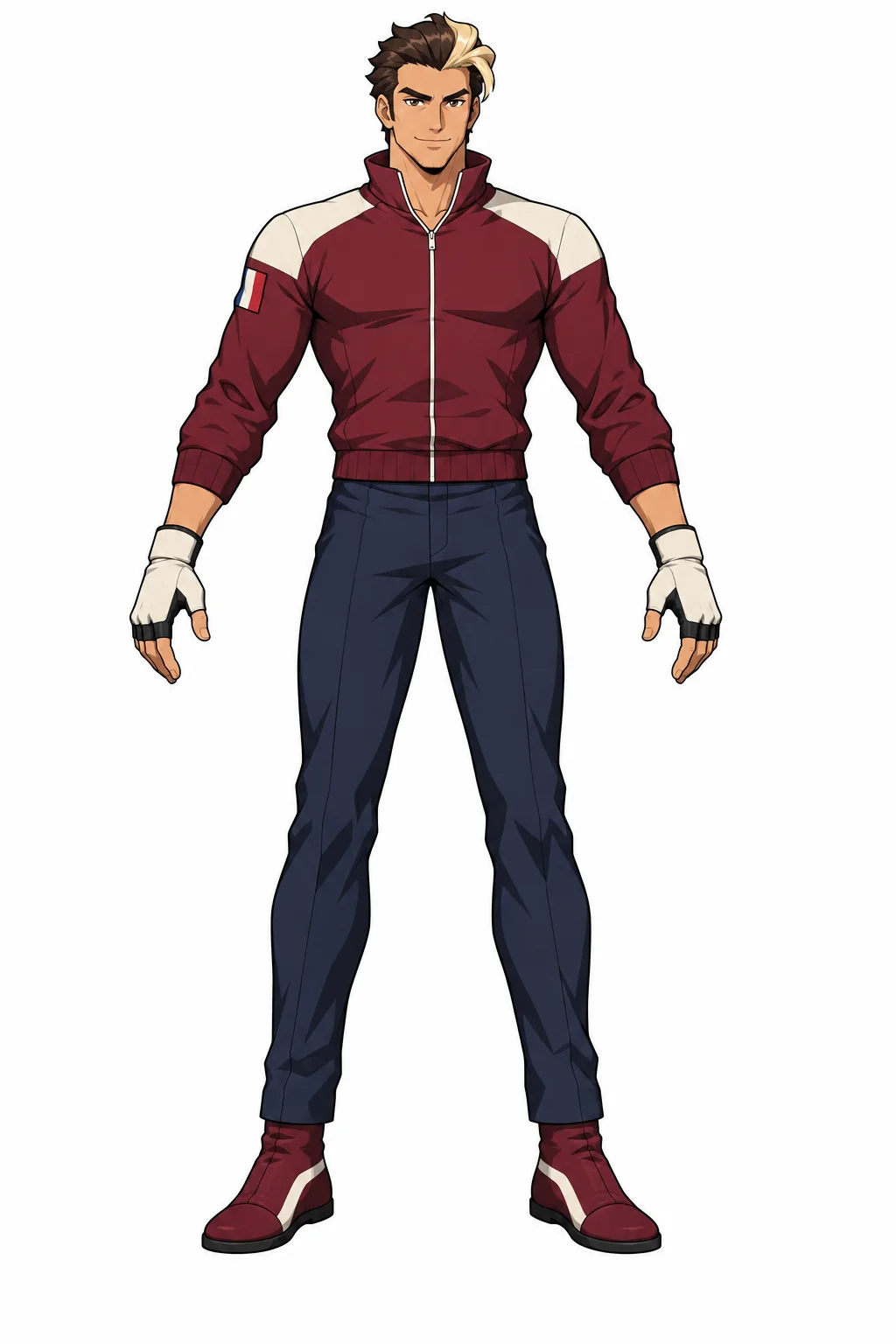
Animation is the hardest part of a fighting game. Instead of keyframing by hand, every move starts as a short video.
Kling V3 animates a reference actor from a single still frame. Uthana Video to Motion then reads that video and writes the motion straight onto the fighter's own skeleton. Thirteen shared moves were shot once and reused by all four fighters. Each fighter's signature moves got their own take.
A video clip is not a fighting-game move until it has frames. Every clip is retimed into 60-frames-per-second game frames: startup, active and recovery.
| Move | Frames | Start | Act. | Rec. | Dmg |
|---|---|---|---|---|---|
| Frame data needs JavaScript. | |||||
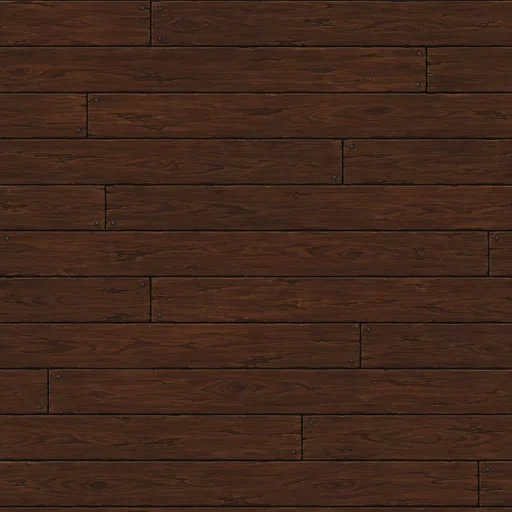
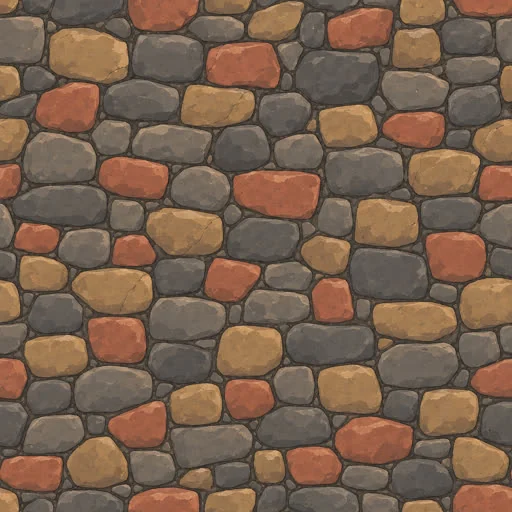
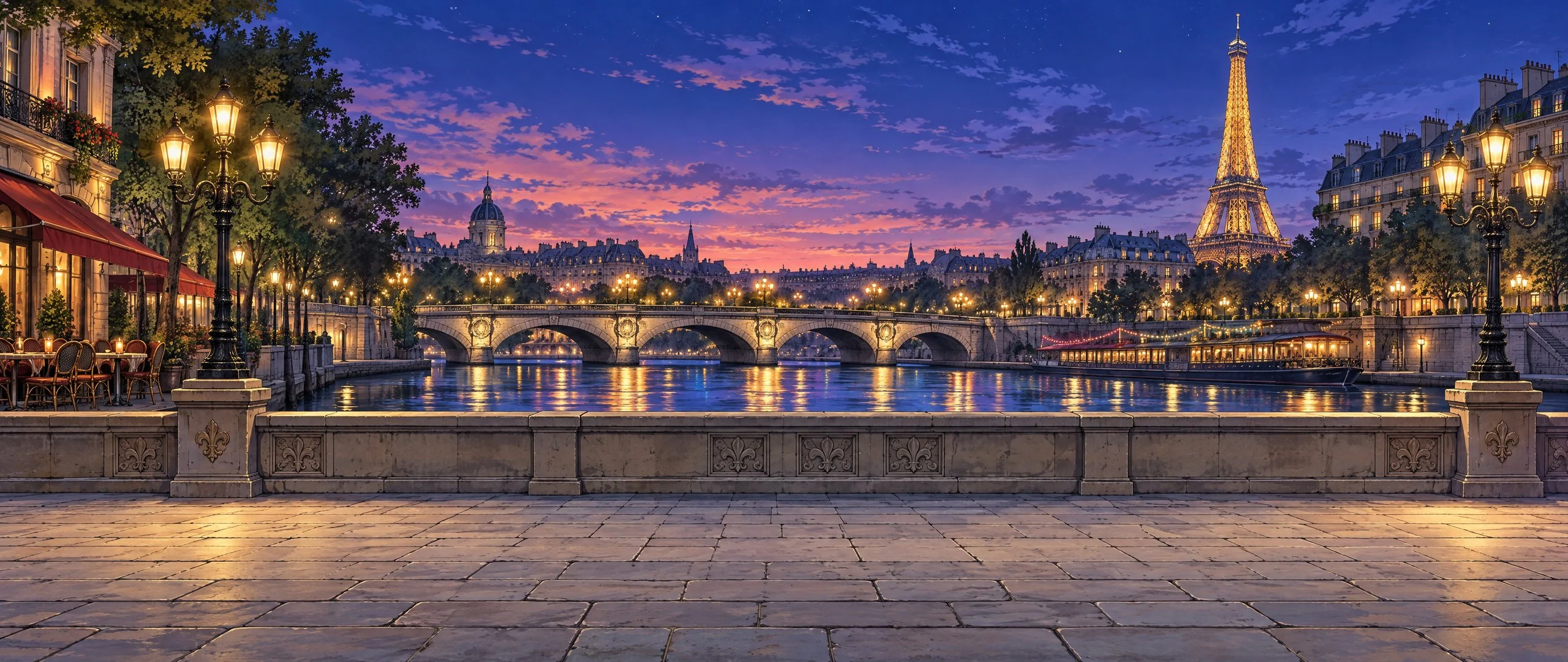
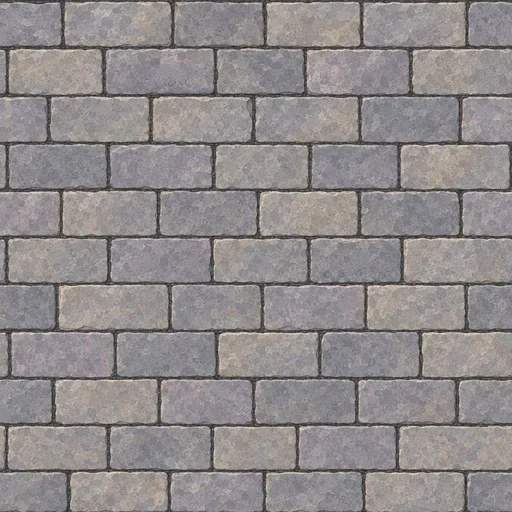
Tokyo, Foshan, Salvador, Paris and Sapporo. A painted backdrop and a tiling floor were generated for each, then lit, fogged and graded to match. Press play to hear each stage's song.
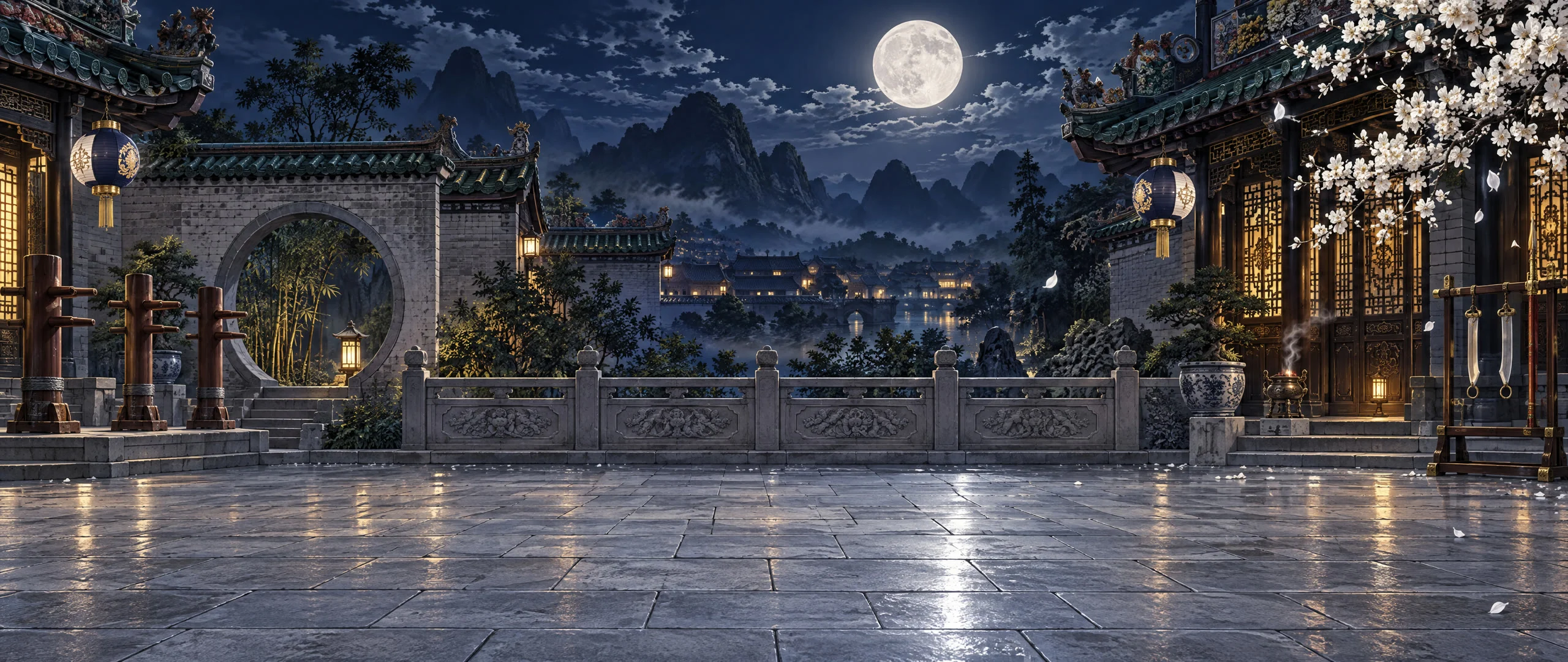
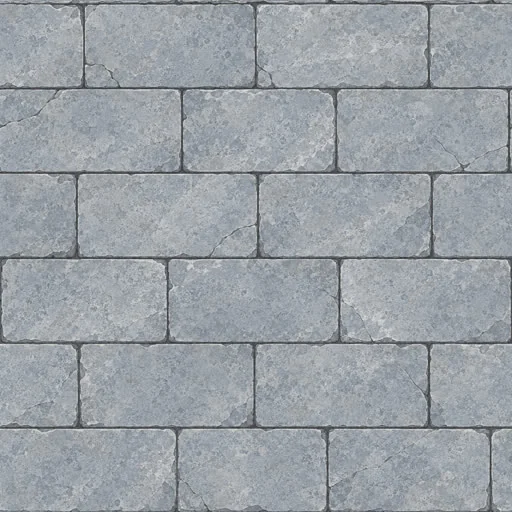



Japanese, Cantonese, Brazilian Portuguese, French and English. Voices came from Gemini and Qwen text to speech, and every special move calls its own name.
Beat the three other fighters in arcade mode and you reach Sapporo. Yuki fights with martial arts, and her three specials are winter magic.
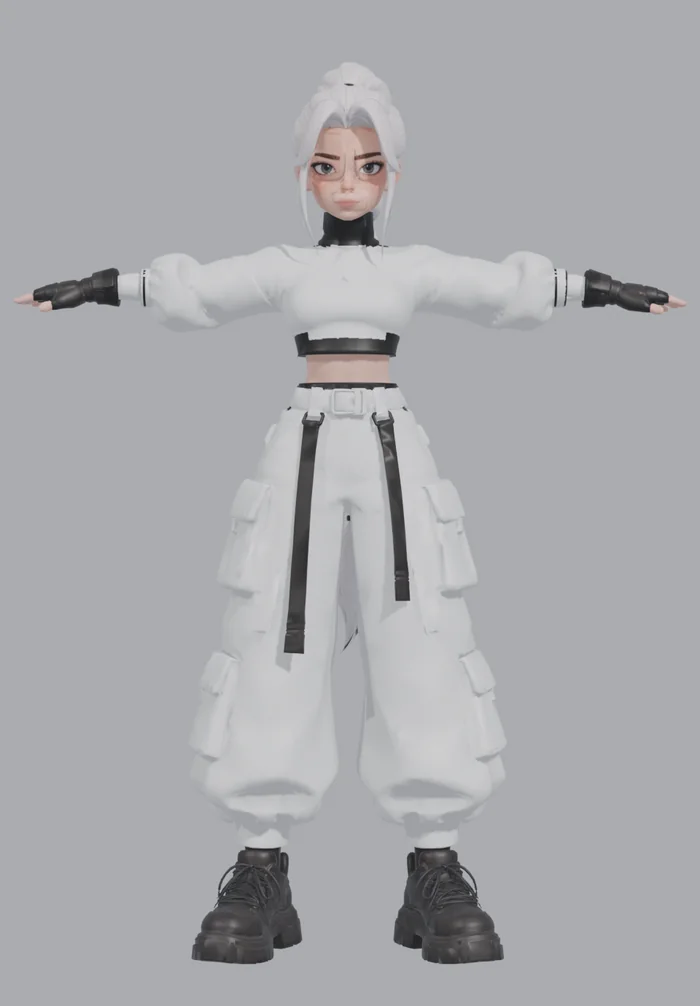
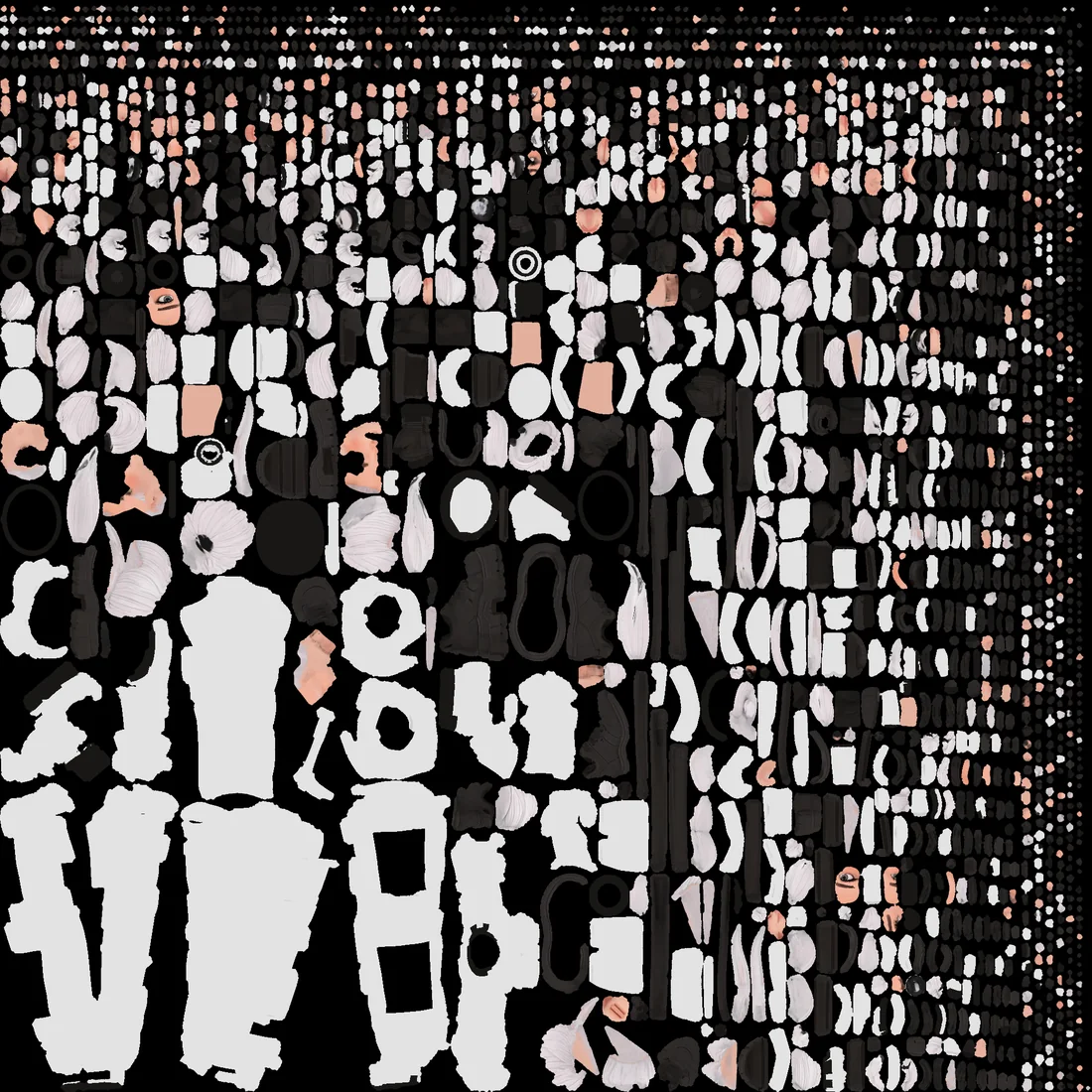
Yuki is a mascot character that came as a quad-mesh FBX with layered facial expressions. For the web, the agent baked the body and a neutral face into one 2,048-pixel texture atlas and exported a single-material model.
Uthana Character Rigging then gave her the same 52-bone skeleton as the other fighters, so every clip in the game would fit her.
Her walks, punches and kicks were shot as plain martial arts. Magic appears only in the three specials: a frost bolt, three ice pillars in a row and a blizzard. Kling V3 produced eleven takes from one still of the reference actor. Uthana Video to Motion turned them, together with the shared moves such as crouching, blocking and getting hit, into 24 clips on her skeleton.
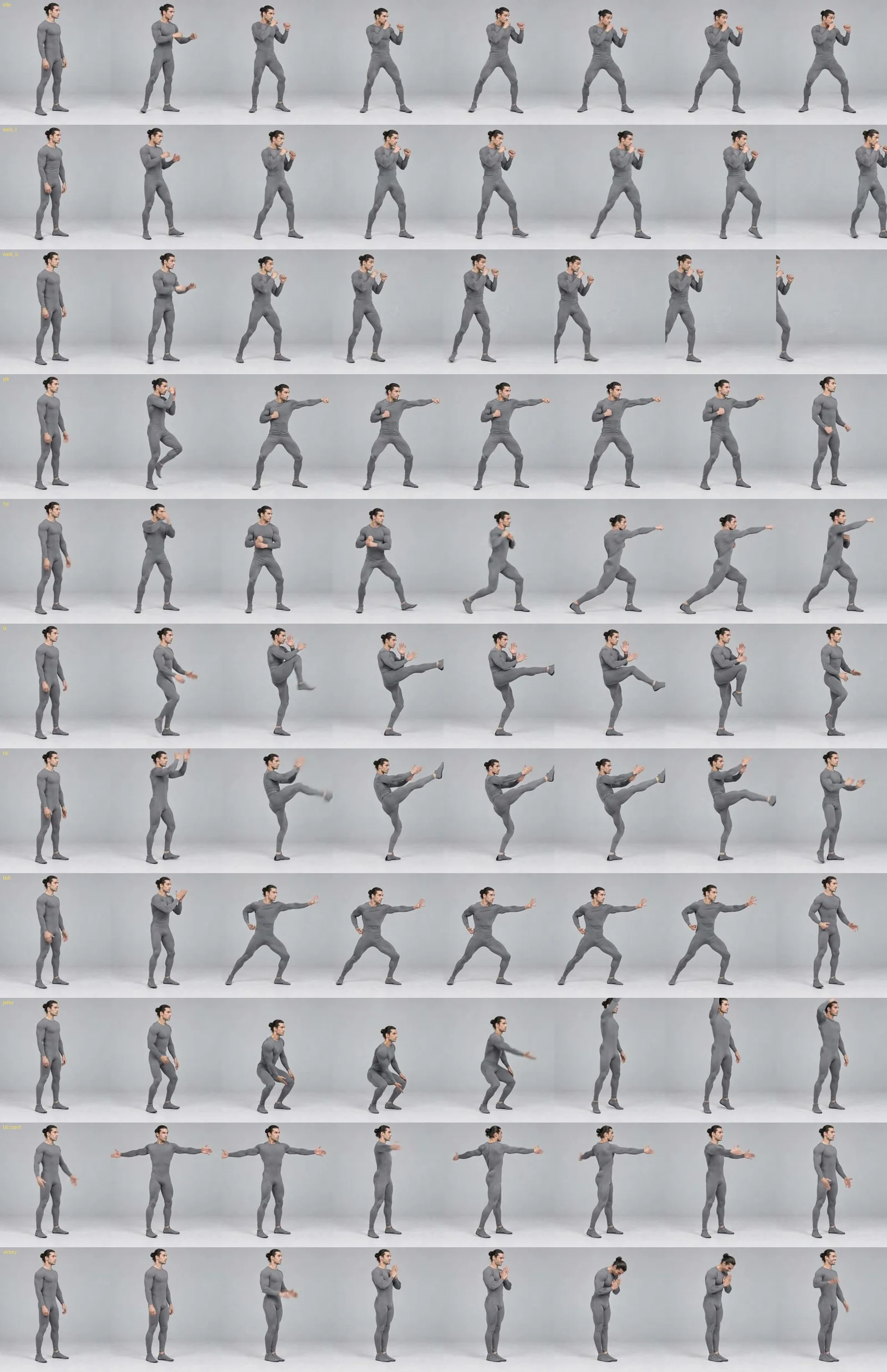
On the left of each pair is the Kling take. On the right, the move running in the game with its hitbox timing, the ice colors, the pillars and the snow.
Automatic rigging bent her long braid into a tangled shape and stretched the straps on her trousers like a pole. The straps were removed. The braid was rebuilt from the original mesh, shortened, and given its own chain of bones that swings in the game like a rope. The puffy sleeves also sank into her torso, so her shoulders are nudged outward in every pose.
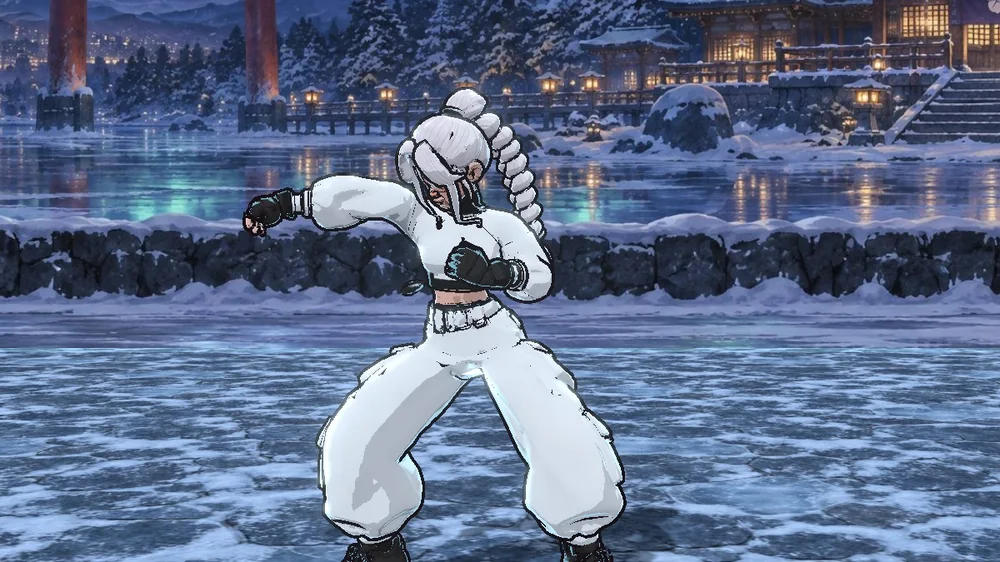
GPT Image 2.5 painted the Sapporo winter festival and its frozen floor tile. ElevenLabs Music v2.5 made her boss theme. Gemini 3.8 Flash TTS gave her an English voice that calls out each spell. She has 50% more health than the others and fights harder than the standard CPU.
Hibana was built over three days, from 30 September to 2 October 2026, by Claude Code calling Scenario through Scenario MCP. The same tools are open to you.
Ten illustrated pages on how the fighters, moves, stages and Yuki were made, with the models and the job costs behind the boss.
Read the making-of (PDF)Connect an agent to Scenario and let it generate, edit and organize images, video, 3D, audio and more.
Connect Scenario MCPTested recipes for agents: game assets, sprite animation, 3D, storyboards, audio and more.
Browse the skillsPick a fighter, fly around the world and see if you can beat Yuki. Then make something of your own.