
A SCENARIO EXPLORATION · ARCADE RACING · 0:15
NEON DRIFT
A white wedge racer drifts through a neon canyon in a spray of sparks, then blasts past a low camera toward a striped sun.
A 15-second film that Claude Opus 5.5 built from one prompt in 70 minutes, driving Blender with the Scenario Blender Plugin and the Scenario MCP. For 3D artists, game teams and developers who want to see each Scenario asset in the scene, then reuse the pipeline.
Take it with you
AGENT SKILL · ZIPRecreate the pipelineSKILL.md, references and the scripts the session ran: drive choreography, effects, spark passes, timelapse, mix, encode. Needs the Scenario MCP.Download ↓ MAKING-OF · PDFEvery step, illustratedThe prompt, the car, the set, the review notes and what they changed, the sound and the receipt.Read ↗ VIDEO · 2:18 · NARRATEDHow it was madeSeven checkpoints: what each step asked, the Scenario model that answered, what failed, one tip.Watch ▶01 / ONE PROMPT
Two shots.
No follow-ups.
The session ran headless on one Mac with Blender 5.2, the Scenario Blender Plugin and the Scenario MCP. Nobody answered questions: it chose the car, the brands, the cameras and the mix itself, then wrote its own build notes.
“NEON DRIFT. 15 seconds, two shots. Arcade racing game, 1980s synthwave style: neon grid terrain, striped sunset sun, magenta and cyan glow, wet reflective road. Shot 1: chase camera behind an original sleek racer of your own design as it drifts through a neon canyon bend, sparks and light streaks trailing. Shot 2: low fly-by as it rockets toward the sun past neon billboards of invented brands. Sound: driving synthwave music, engine roar and tyre squeal on the drift.”
The brief, from the prompt the session received
- 70 min
- one session, render included
- 21
- Scenario generations
- 10
- Scenario analysis checks
- 2,265.5
- credits (CU) charged
02 / THE CAR
ORVANTE 84.
Drawn, built, split.
An invented wedge racer went from one concept image to a textured mesh, then to separate parts, so the wheels could spin with road speed and the front pair could countersteer in the drift.
-
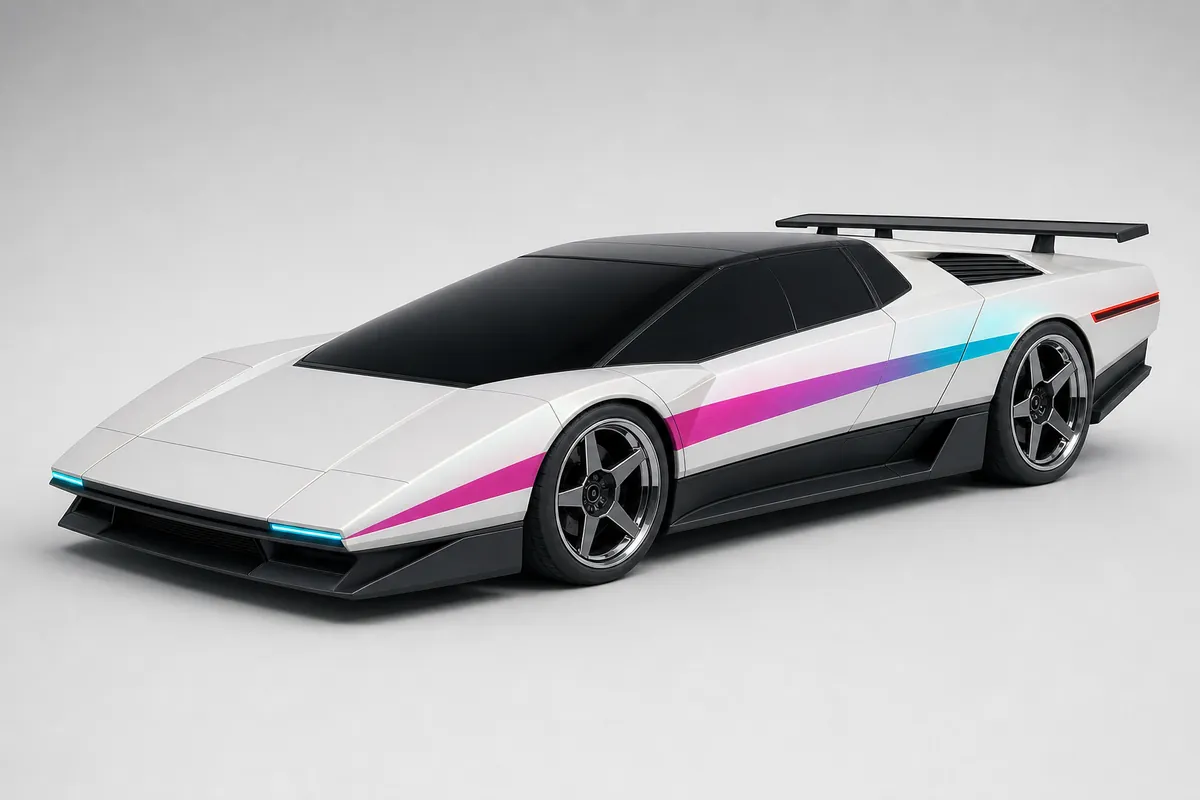 1 · CONCEPT
GPT Image 2, high quality, two outputs; the first went to 3D. Asset describe read it back as a “retro futuristic vaporwave racer” before any 3D spend.
-
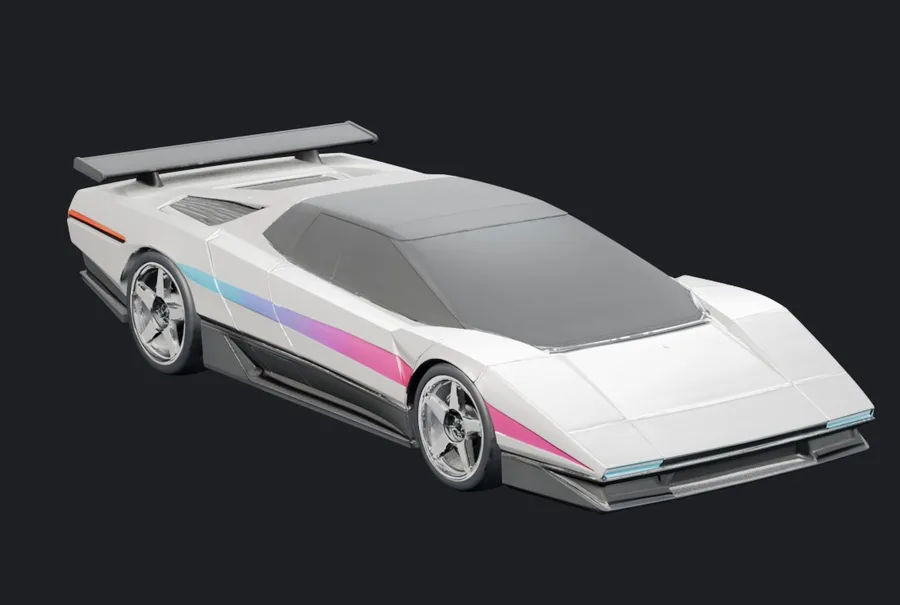 2 · MESH
Hunyuan 3D 3.1 Pro image to 3D with PBR maps, bound into a Scenario Blender Plugin asset slot as revision 1.
-
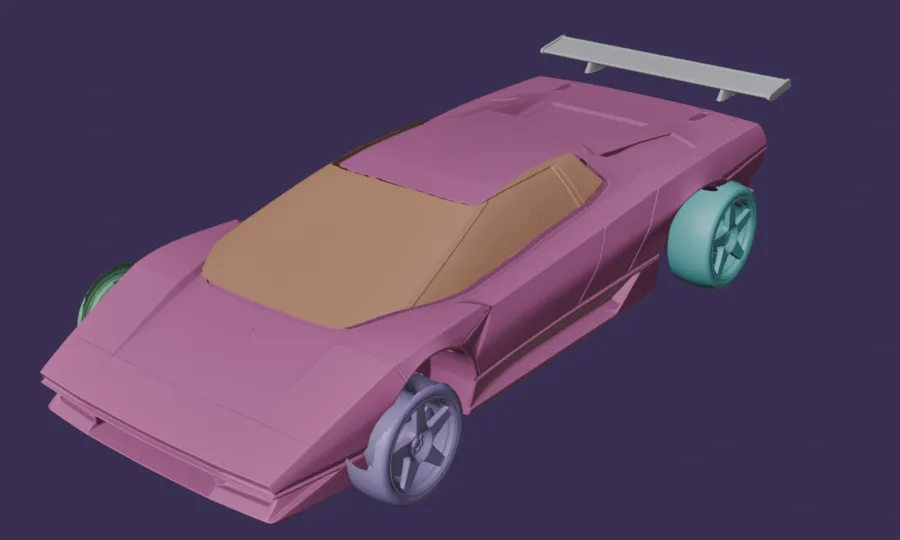 3 · PARTS
Tripo Segmentation v2 split the mesh into seven parts: body, canopy, wing and four wheels. Revision 2 of the same slot, the one in the film.
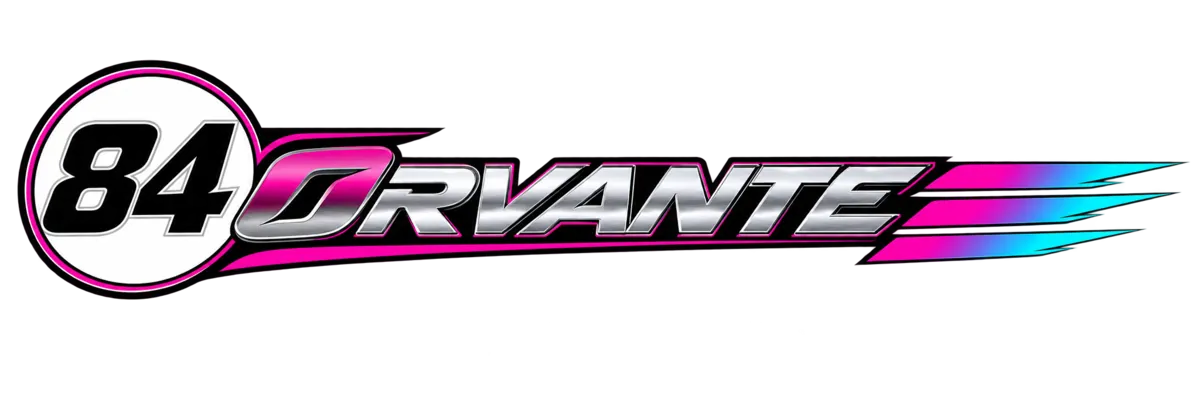
LIVERYGPT Image 2 with a transparent background, projected on both flanks and mirrored so it reads correctly on each side.
The car that missed the film. Scenario’s recommend tool ranked GPT-6 Astra 3D first for its separate named parts, and the session ran it in parallel. It took 32 minutes and finished after the final render had started, with 764 named parts. It sits in the piece’s Scenario collection, ready as revision 3 of the same slot.
03 / THE SET
A sky, a road,
a canyon wall.
Scenario made the surfaces; the session built the rest in Python: a 14-metre-wide road with a 45-metre-radius bend, swept canyon walls with neon strata, a grid plain, a 1 km striped sun and 92 point lights along the rails so the wet road reflects real neon.
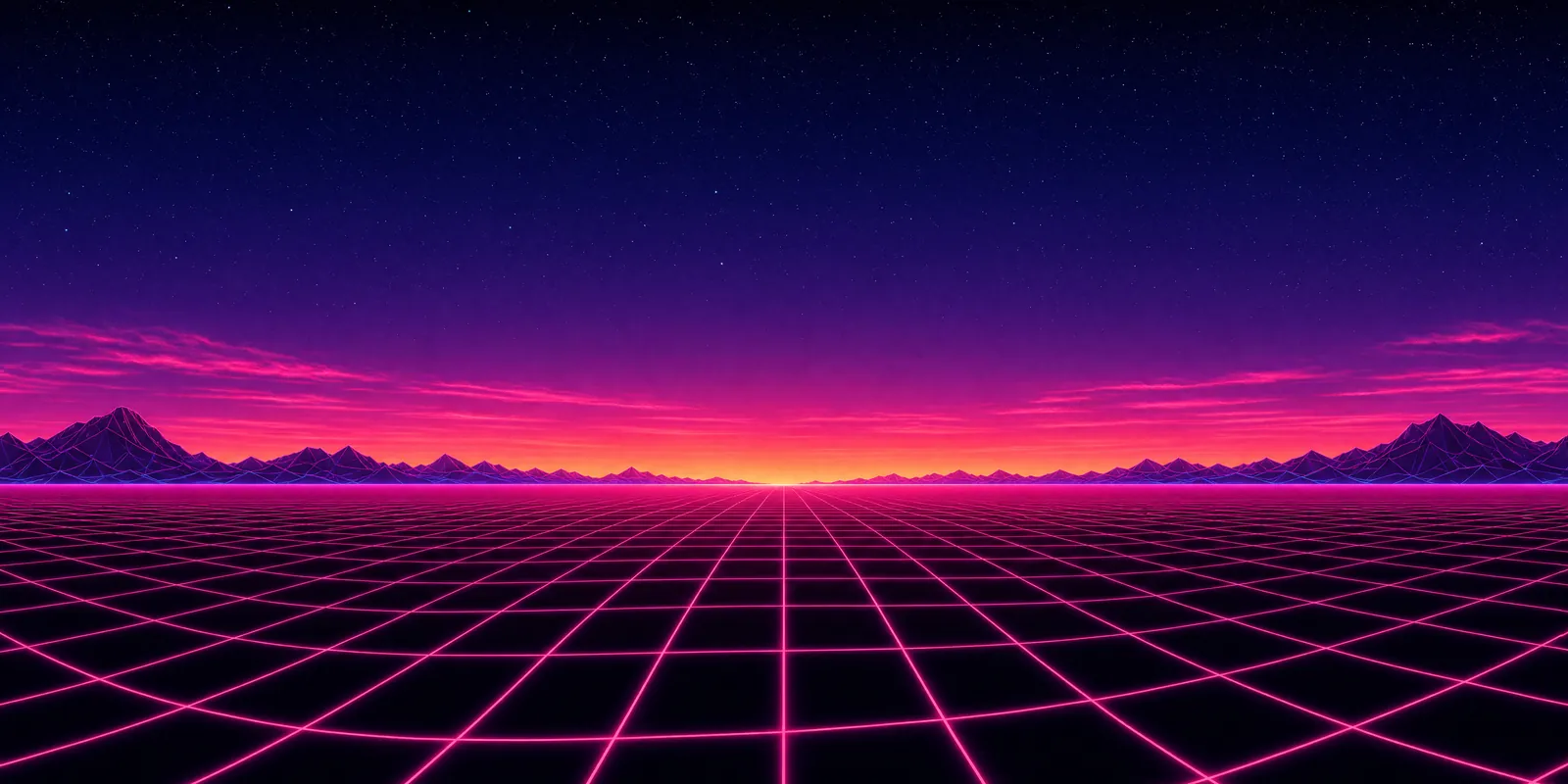
apply_world, rotated so the glow sits behind the sun.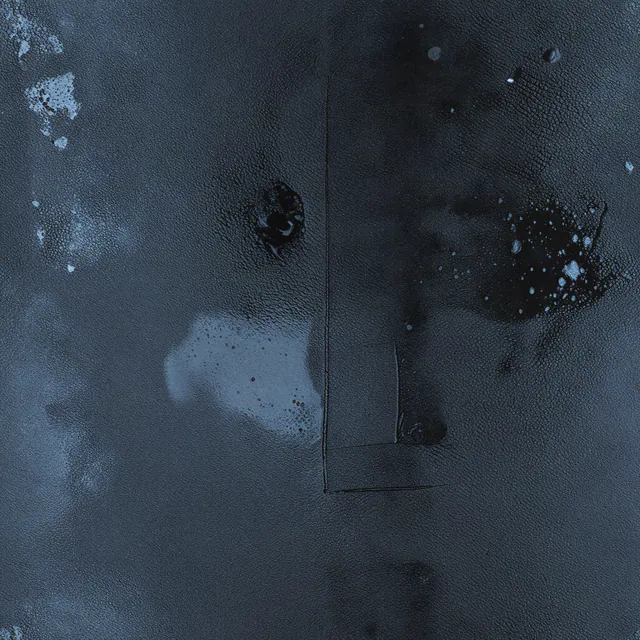
apply_pbr_maps and pushed wetter.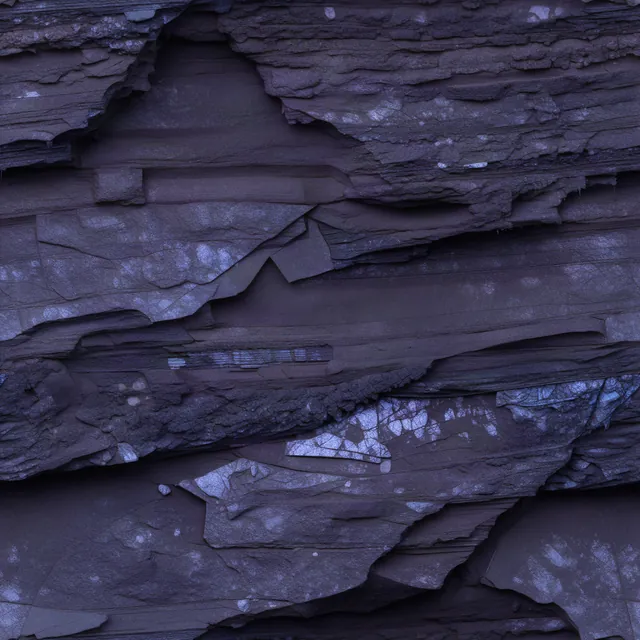
04 / INVENTED BRANDS
Four brands
that never existed.
GPT Image 2 drew every billboard and the title sign from prompts that spelled each word out (“a wordmark reading exactly ‘KROMAVOLT’”). Eight emissive boards with spill lights line the sun straight.
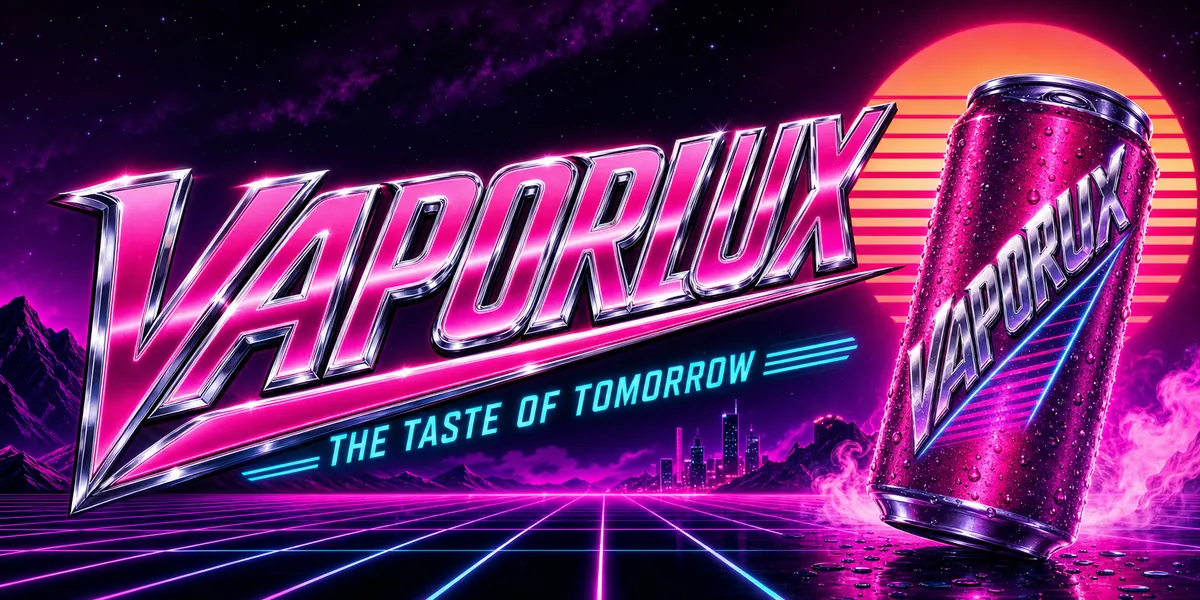
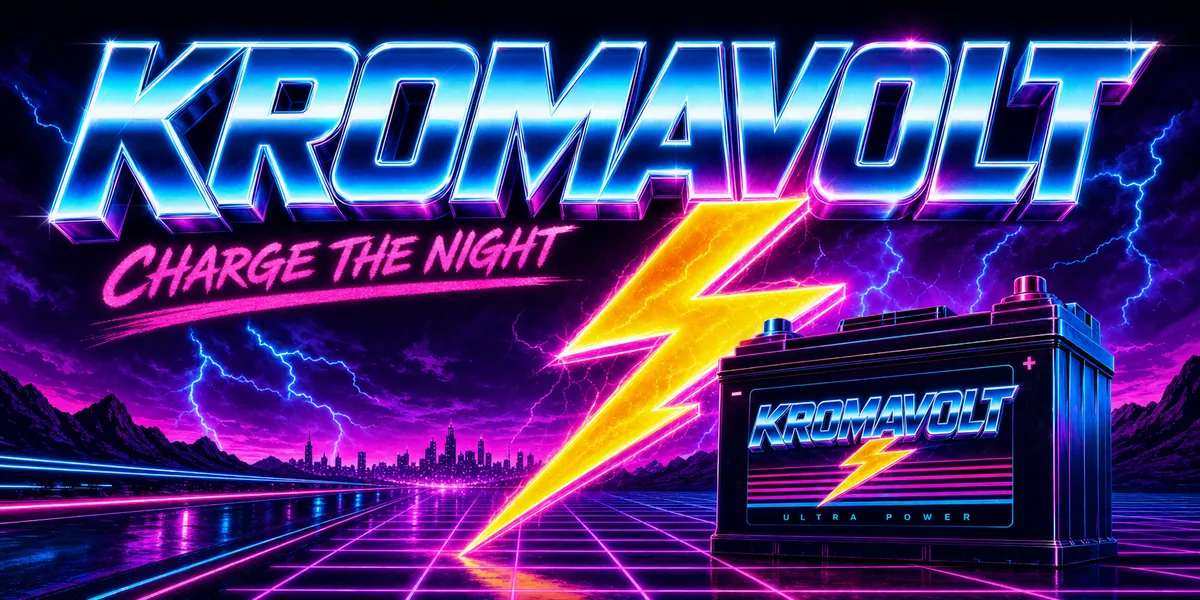
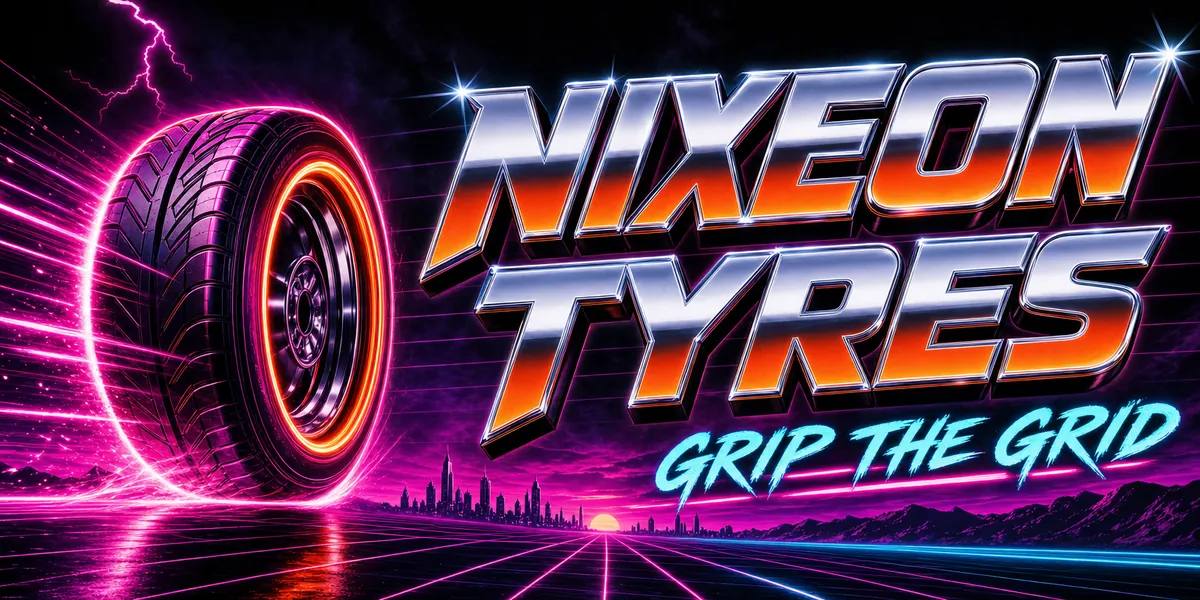
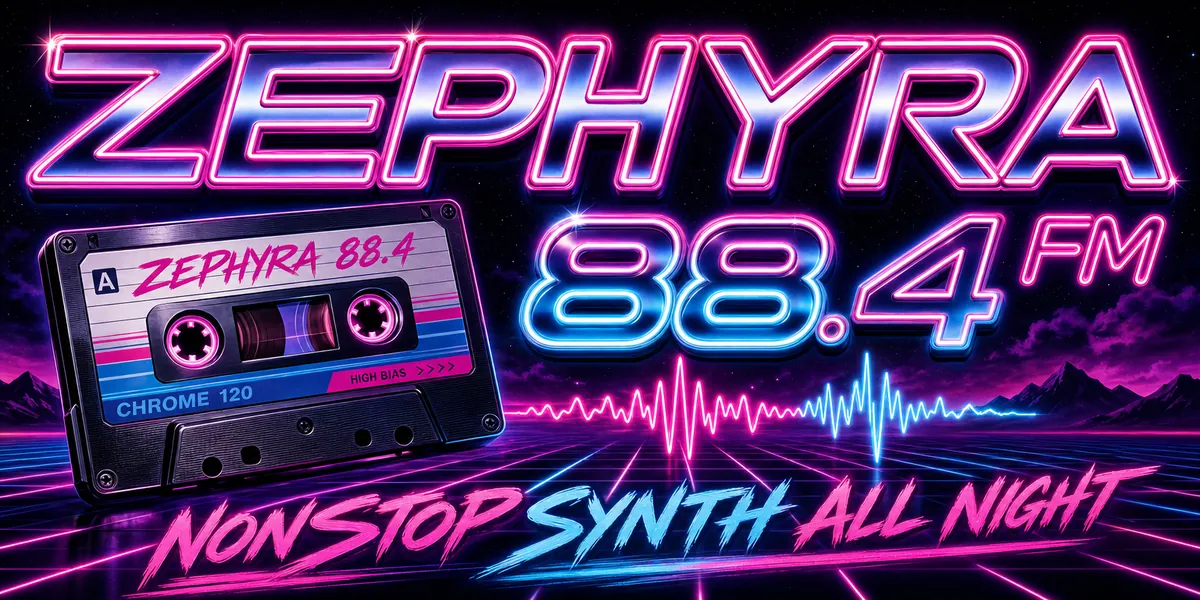
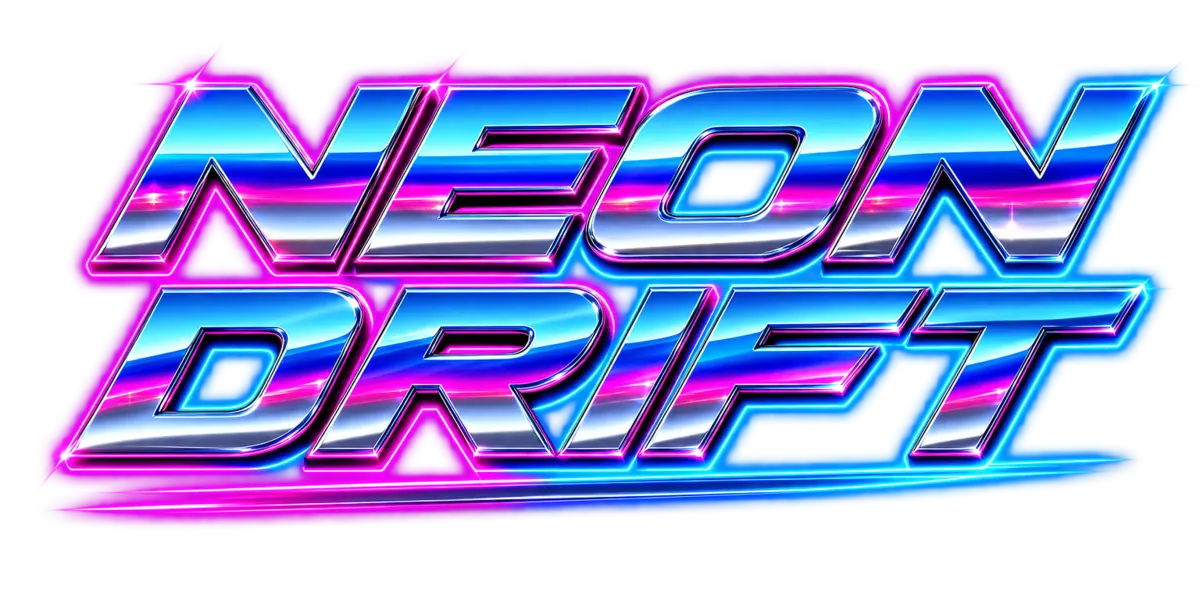
TITLE SIGNGPT Image 2, transparent background, mounted on a gantry 900 metres up the straight to frame the last shot. On the final frame, Asset caption read back “billboards advertising Nixeon Tyres and Neon Drift”.
05 / CLAY TO FINAL
Same camera.
Same frame.
Frame 240, the fly-by. Geometry, cameras and animation are all Python. Drag to see the scene without its materials, lights, sky and billboards.
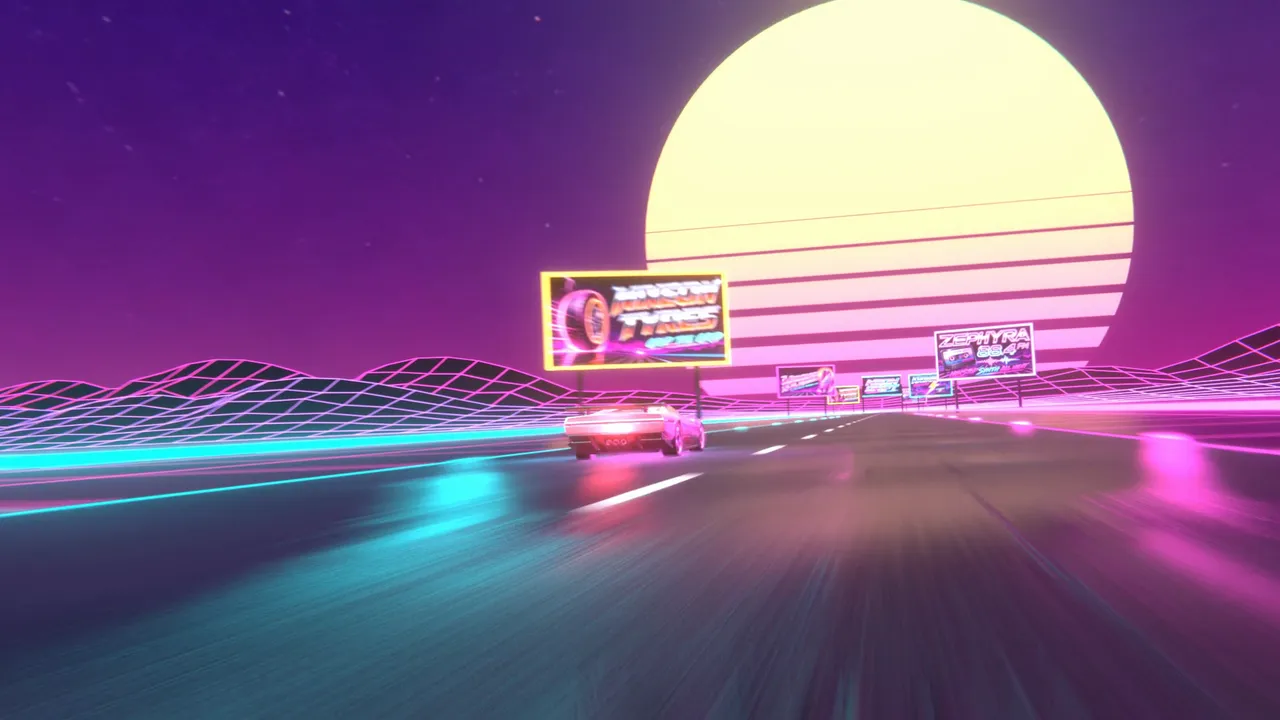
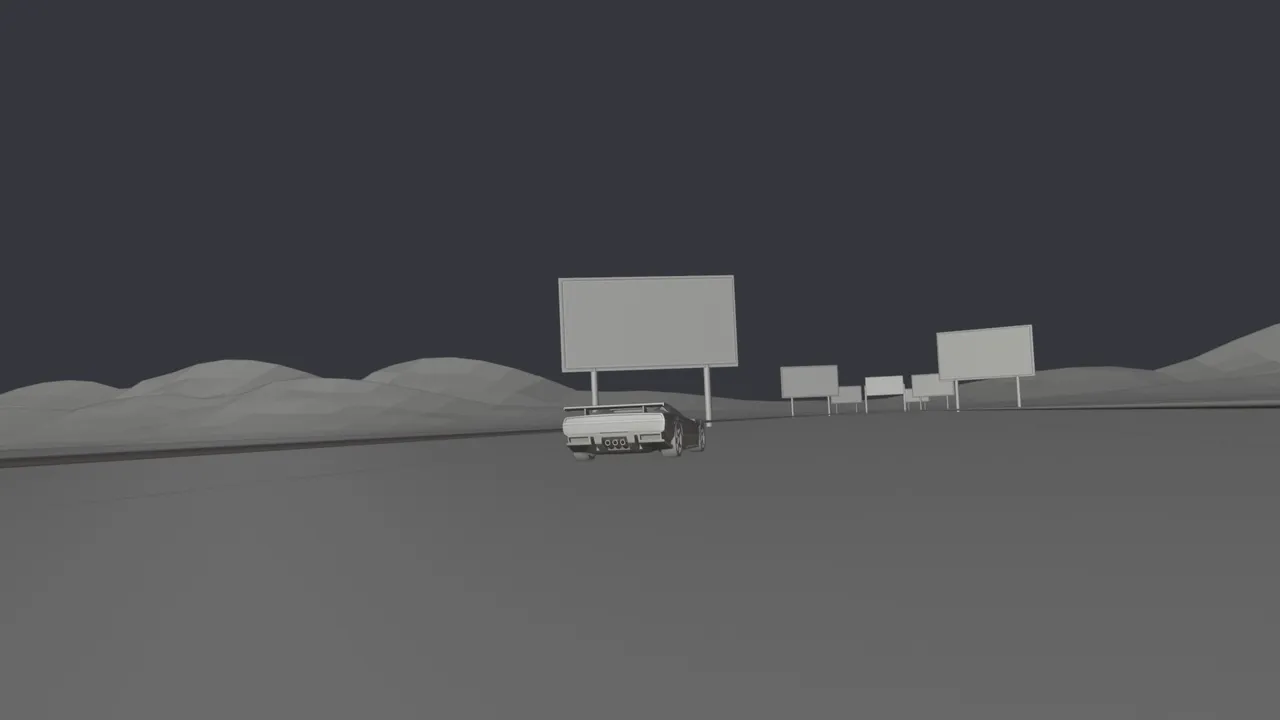
Drag the divider, or focus it and use the arrow keys.
06 / THE REVIEW LOOP
It checked its own frames.
Then changed the scene.
The session opened every test render itself, then sent frames to Scenario’s analysis tools. Two fixes changed the film the most.
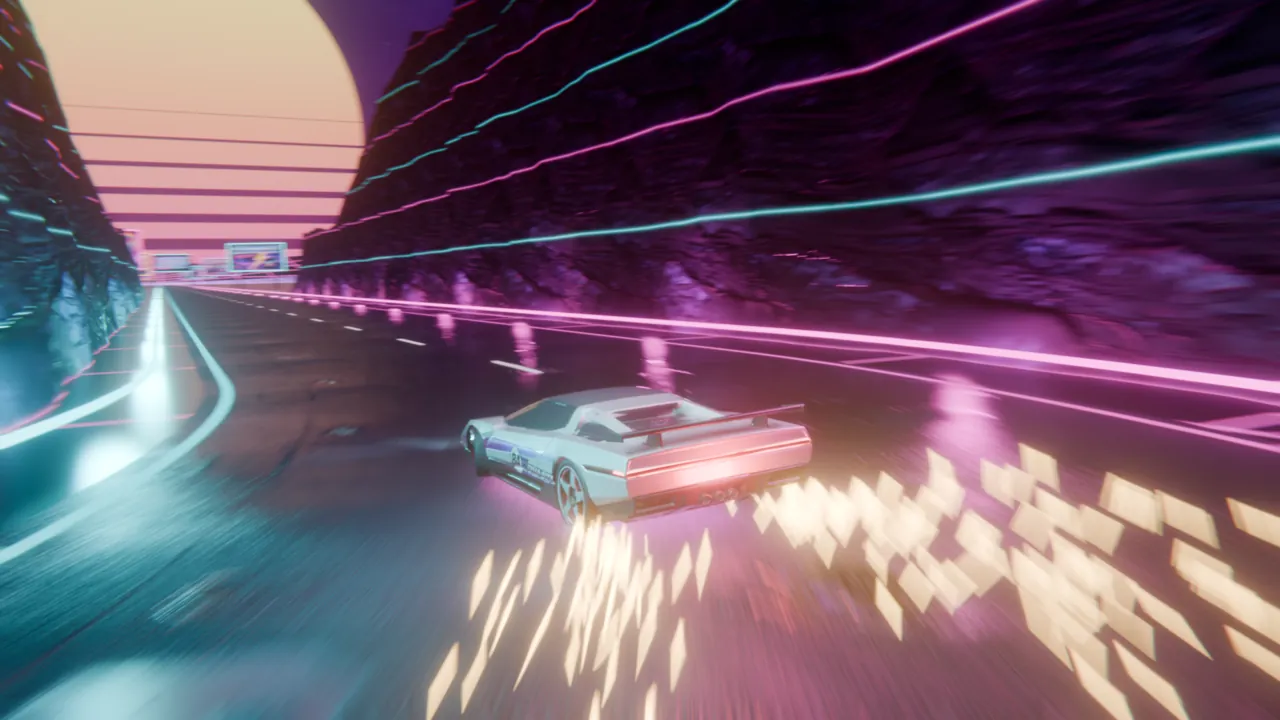
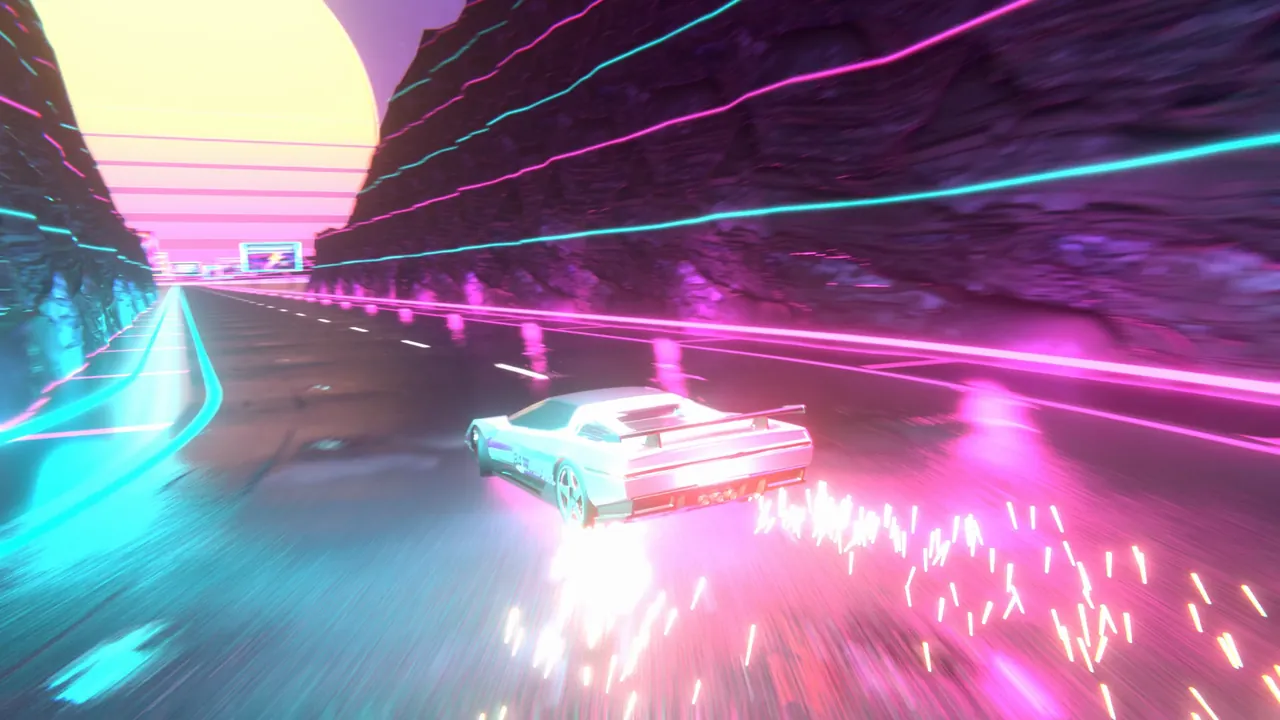
Found in its own test renders. The spark mesh measured correctly, so the session ran a four-step motion-blur test: the chase camera’s yaw moved the sparks within the shutter. Frames 56 to 136 were rendered twice, the scene with blur and the sparks alone without it, then added together.
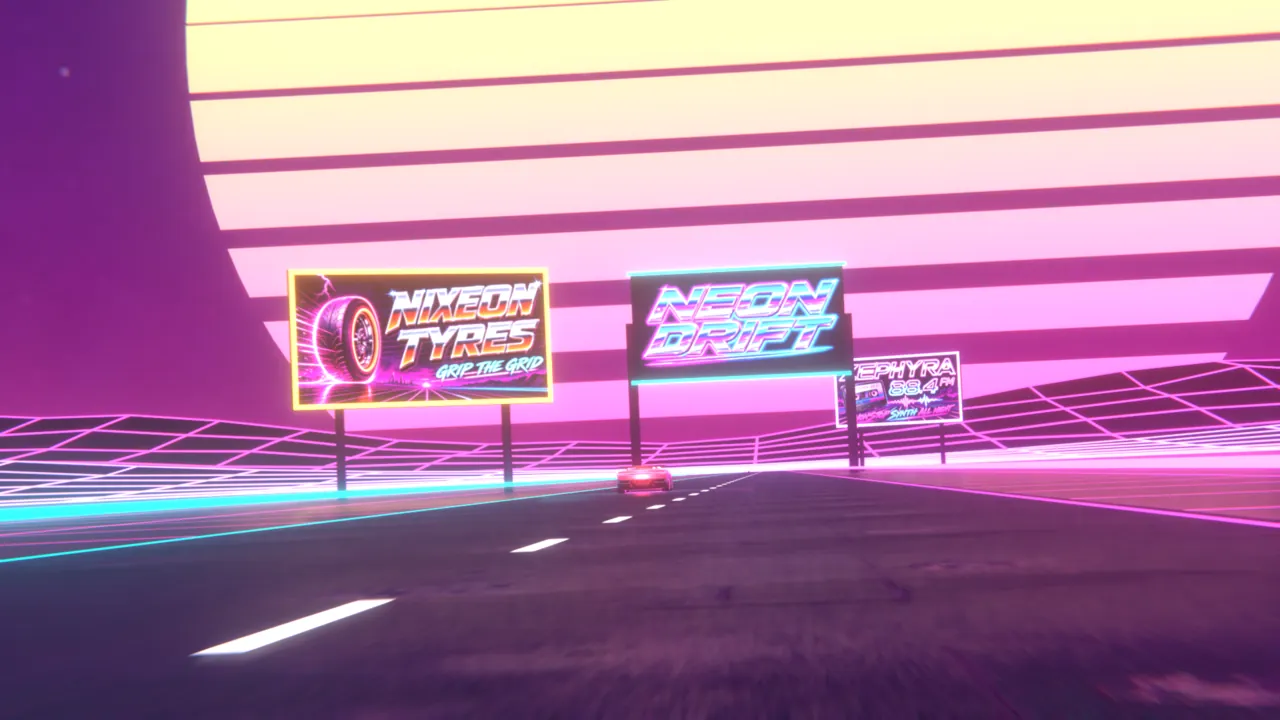
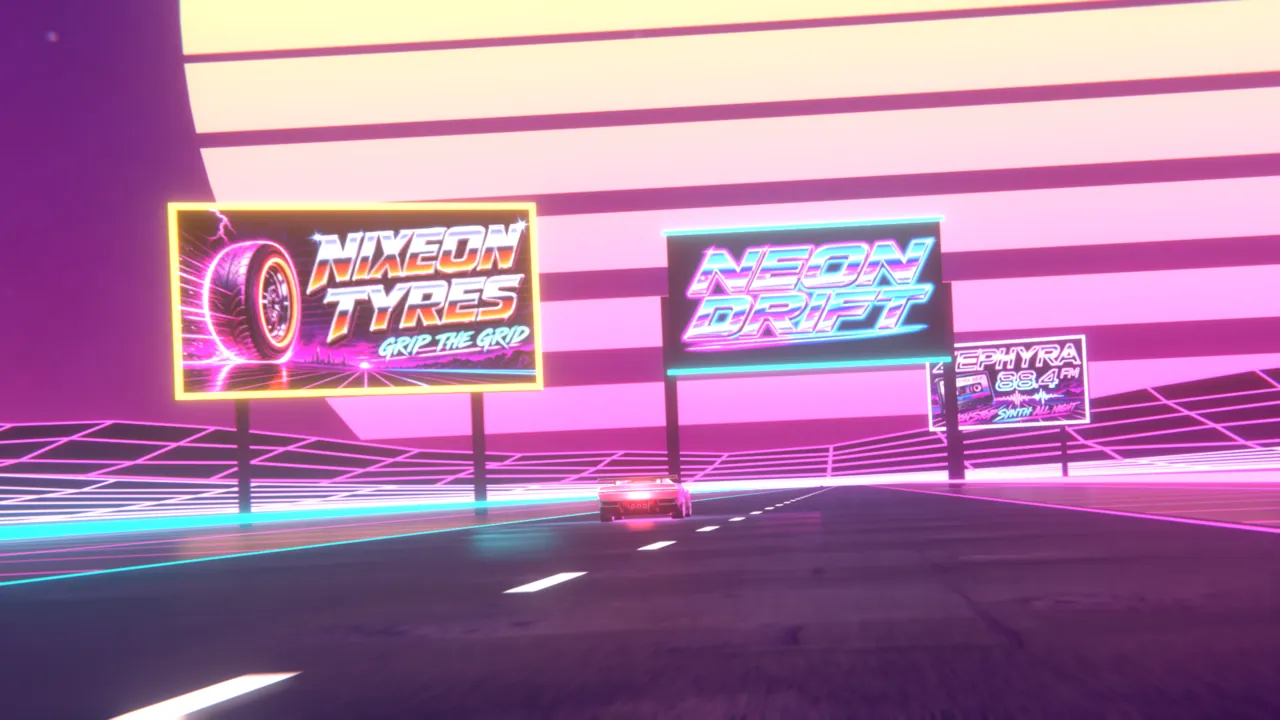
Scenario LLM analysis, as an art director on three test frames: “the car is too small at the bottom centre during the title reveal” and “the car lacks contrast against the road reflections”. The car now ends 58 m ahead at 70 mm instead of 84 m at 62 mm, and the rim lights went from 700 to 1,300 W. The first final render was stopped at frame 47 to apply both.
Quality Gate scores
Quality Gate passed every frame it scored. What it flagged stays on the list for the next pass.
- 98Final frame, the gantryPass. Shown above.
- 96Last-frame test renderPass.
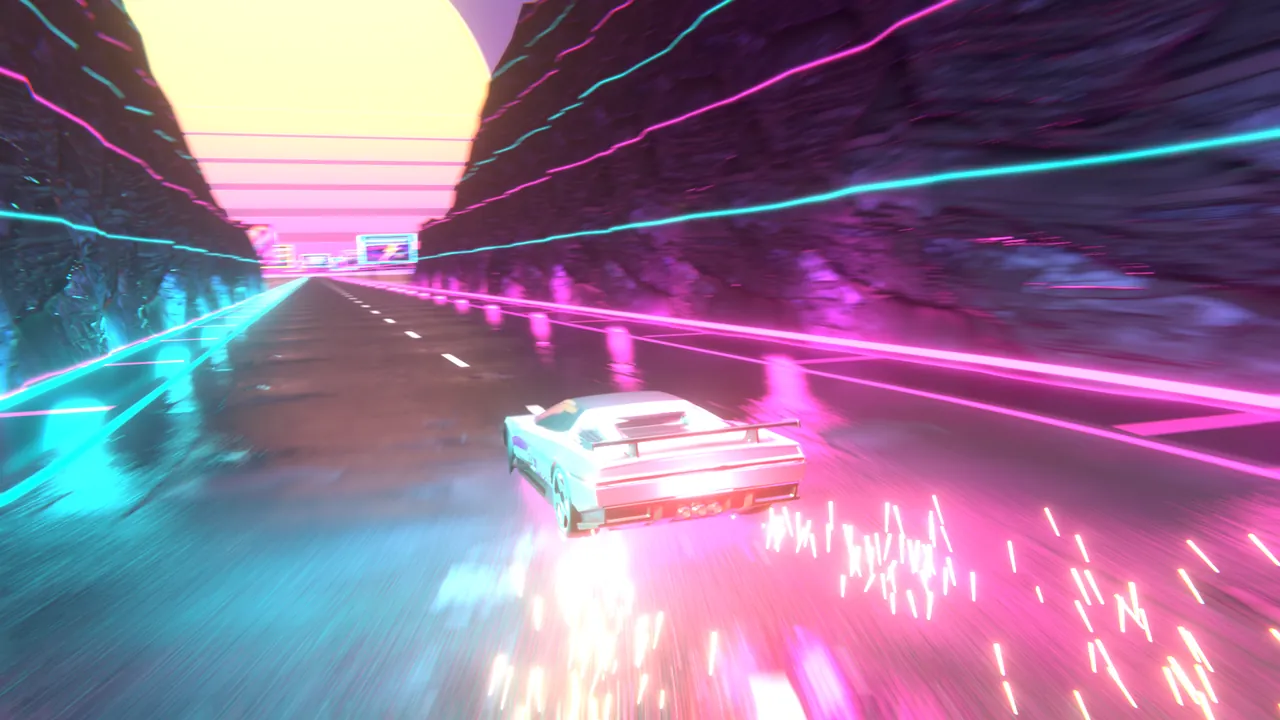 85Drift exit“Sparks read as uniform dashes rather than a natural spray.”
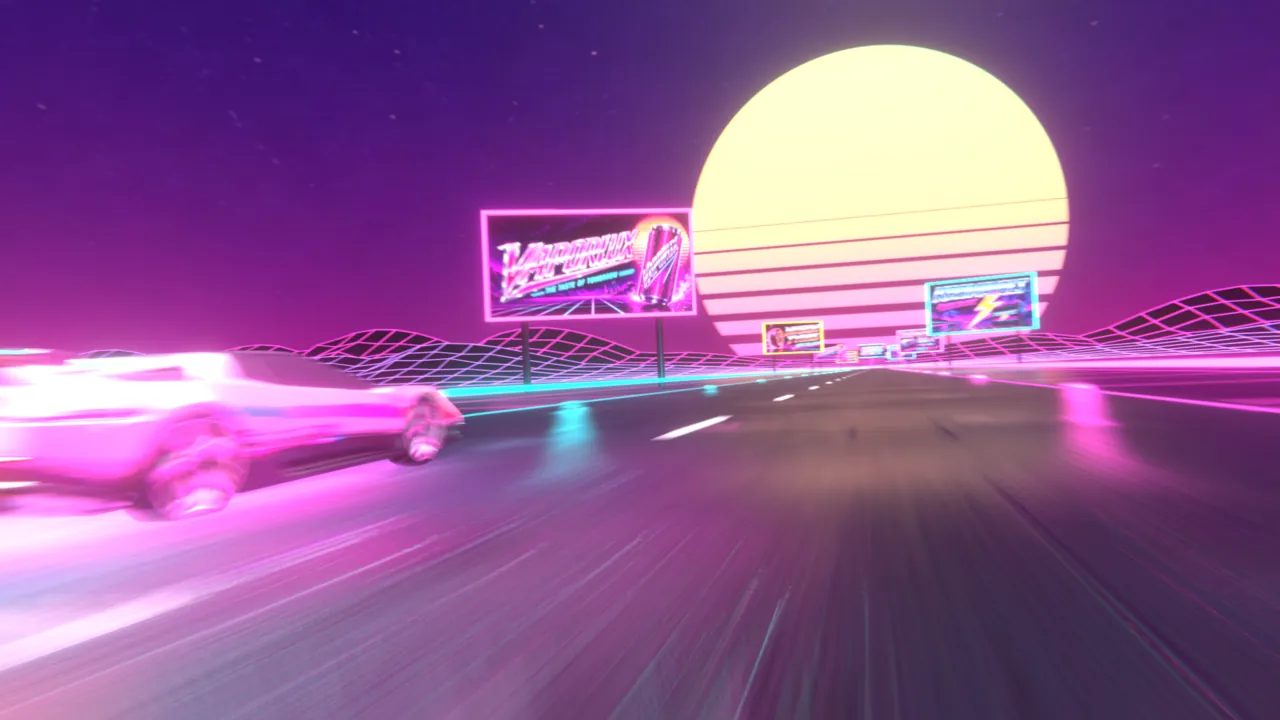 84Fly-by overtake“Distant billboard text illegible”, expected at that distance with motion blur.
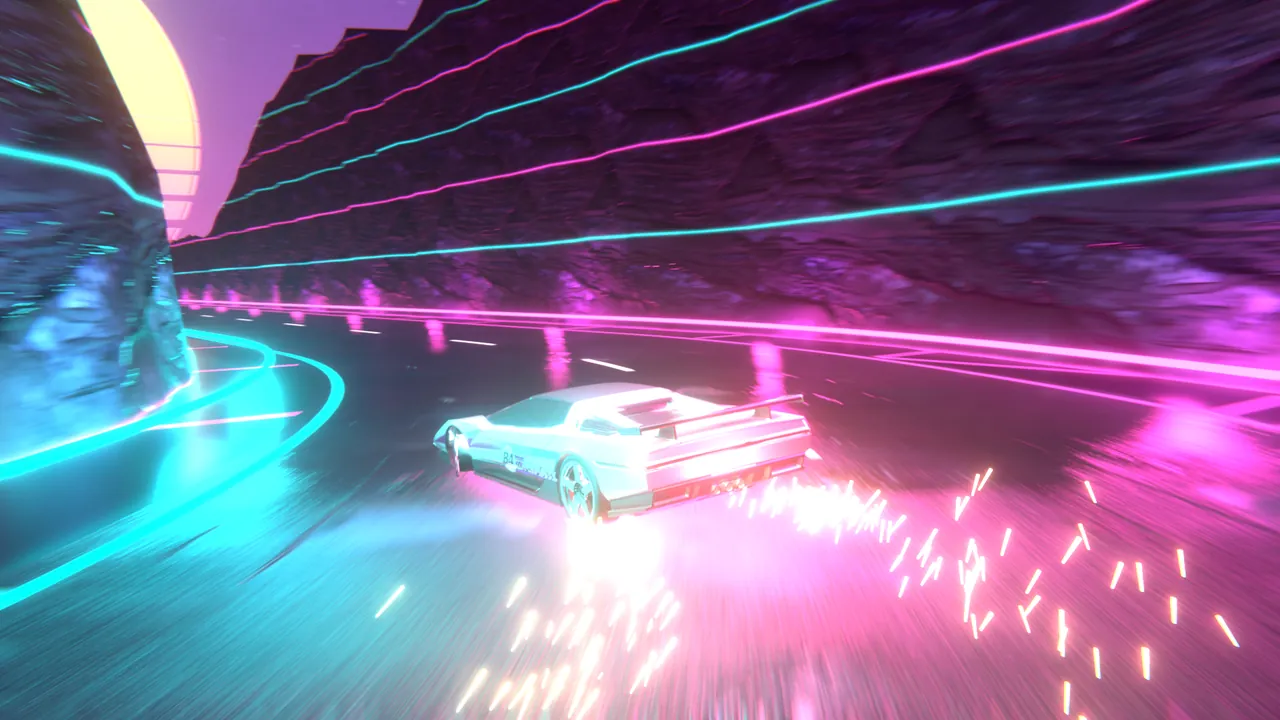 76Drift apex“Uniform spark dashes; a rear wheel looks warped.” The wheel comes from the segmented mesh.
Left for the next pass
- The car’s texture is soft and one rear wheel is warped: swap in the GPT-6 Astra 3D car as revision 3.
- Sparks vary too little in size, brightness and curve.
- No tyre smoke on the drift, no road spray behind the car.
07 / THE SOUND
One track, six effects,
placed on the picture.
ElevenLabs Music v2 wrote a 120 BPM outrun instrumental in A minor. ElevenLabs Sound Effects 2 made six effects, placed from the choreography’s own timings: the squeal on the slide, the whoosh on the cut, the fly-by peaking on the overtake.
A low-passed copy of the engine plays as the distant car in shot 2. Mixed with ffmpeg, limited just under full scale.
08 / THE BUILD
70 minutes
in eight seconds.
The session recorded its own timelapse while it worked: one frame from a fixed wide camera after every meaningful step, stamped with that step, from grey blocking through the final render.
The trailer
57 seconds: the build recorded live, what Scenario made, clay and final side by side, then the film.
09 / MAKE YOUR OWN
Take the pipeline.
Pick your own car.
The skill packages this workflow for an agent connected to the Scenario MCP: design a vehicle and split it into parts, choreograph the drive, build the set, render effects deterministically, review, and score to the frame.
scenario-blender-racing-film
SKILL.md, references for the drive, the review loop and the sound, and the scripts: choreography, effects handler, spark passes, timelapse, mix and encode.
Download the skill ↓ PDF · ILLUSTRATEDThe making-of
The prompt, the car, the set, the review notes and what they changed, the sound, and the receipt.
Read the making-of ↗ VIDEO · 2:18 · NARRATEDHow it was made
Seven checkpoints, from the car concept to the sound: the prompt, the model and why, the runner-up, what failed, one tip.
Watch the video ▶Your car, your canyon, your sun.
Make yours