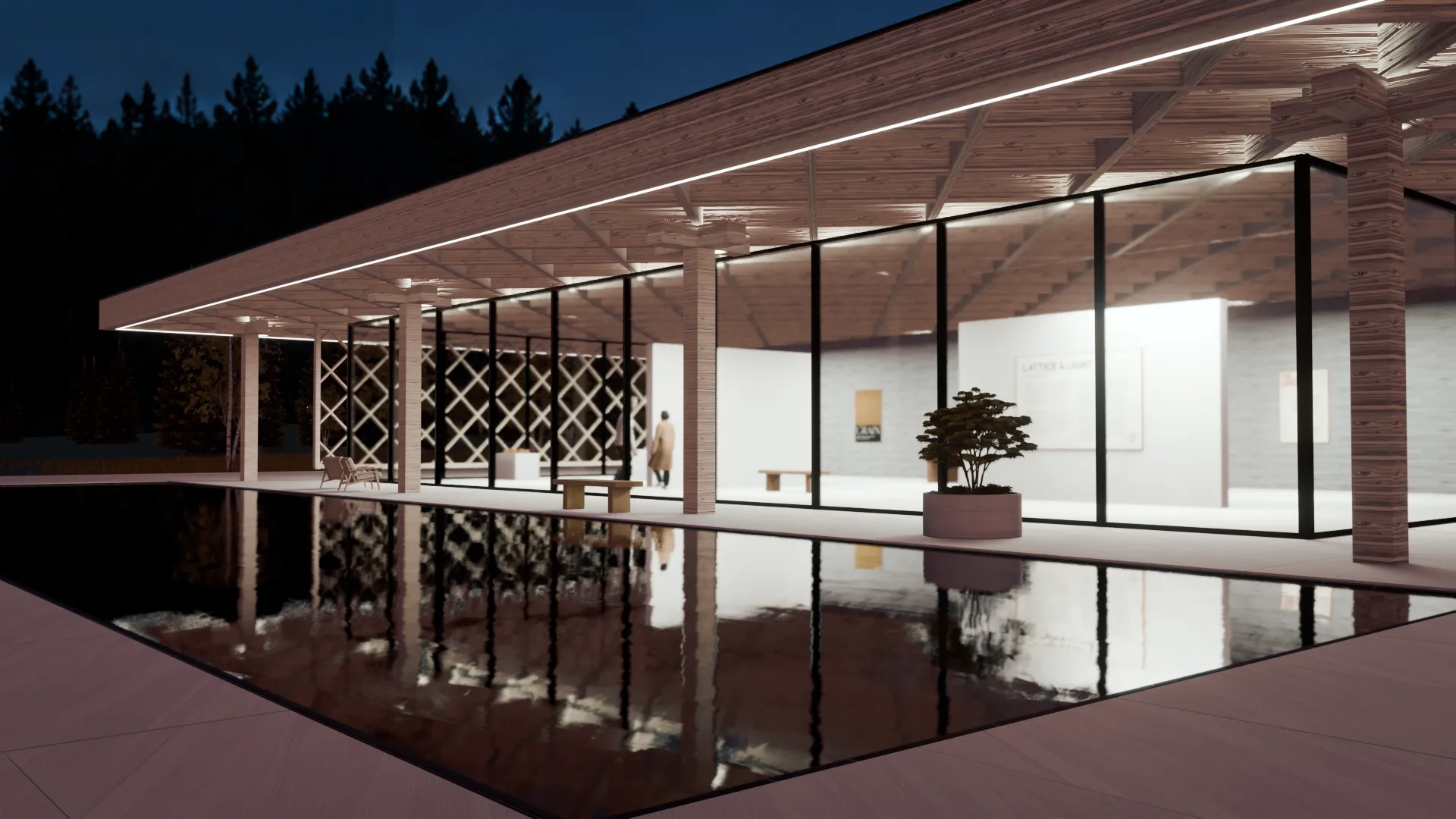
A SCENARIO EXPLORATION · ARCHITECTURE FILM · 0:30
Pavilion
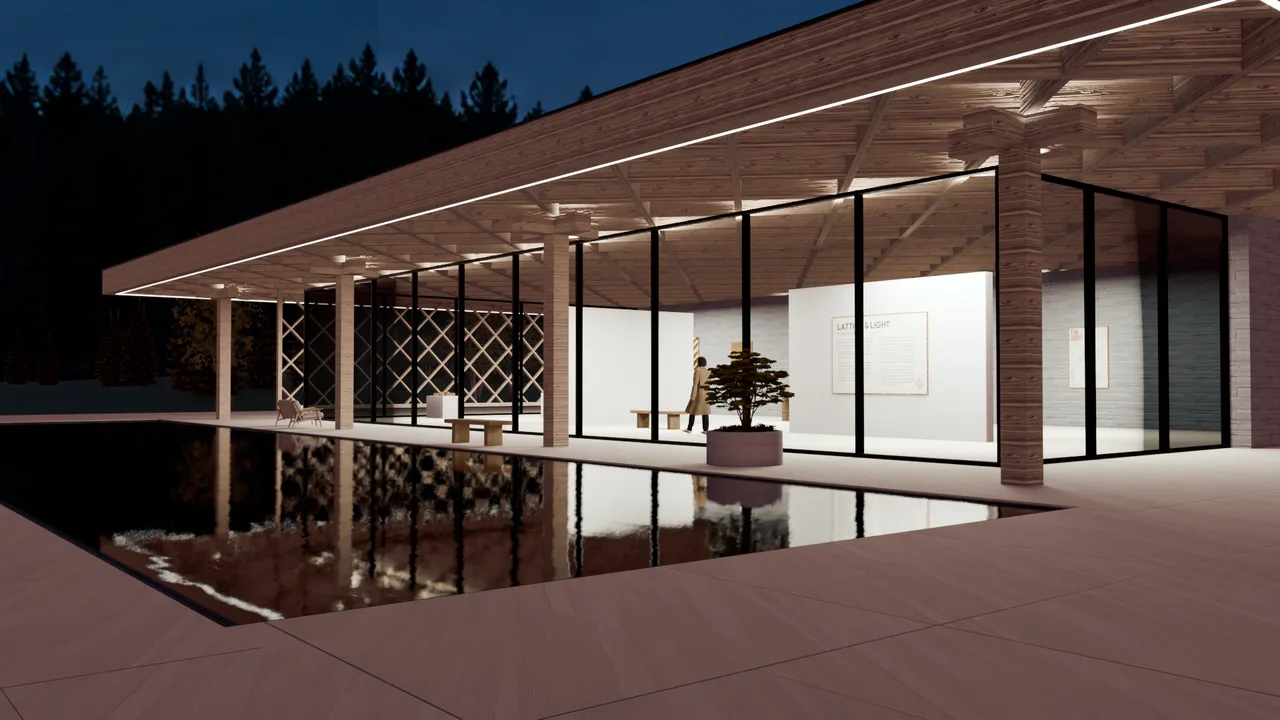
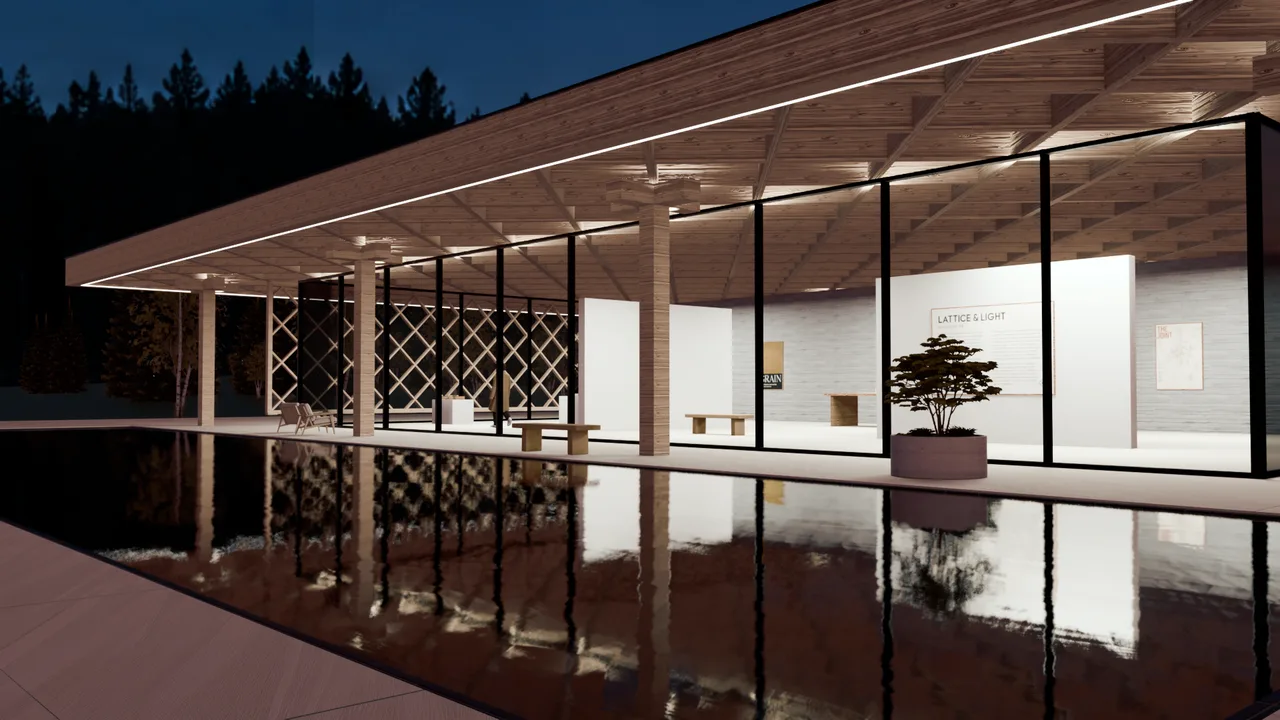
An invented lakeside pavilion under a timber lattice roof, filmed from noon to golden hour to dusk.
One prompt, one agent: Claude Opus 5.5 built it in Blender with Scenario. Then a second pass with Scenario's Blender skills relit it and replaced its visitors with performances captured from video.
01 / THE FILM
Three shots.
Noon to dusk.
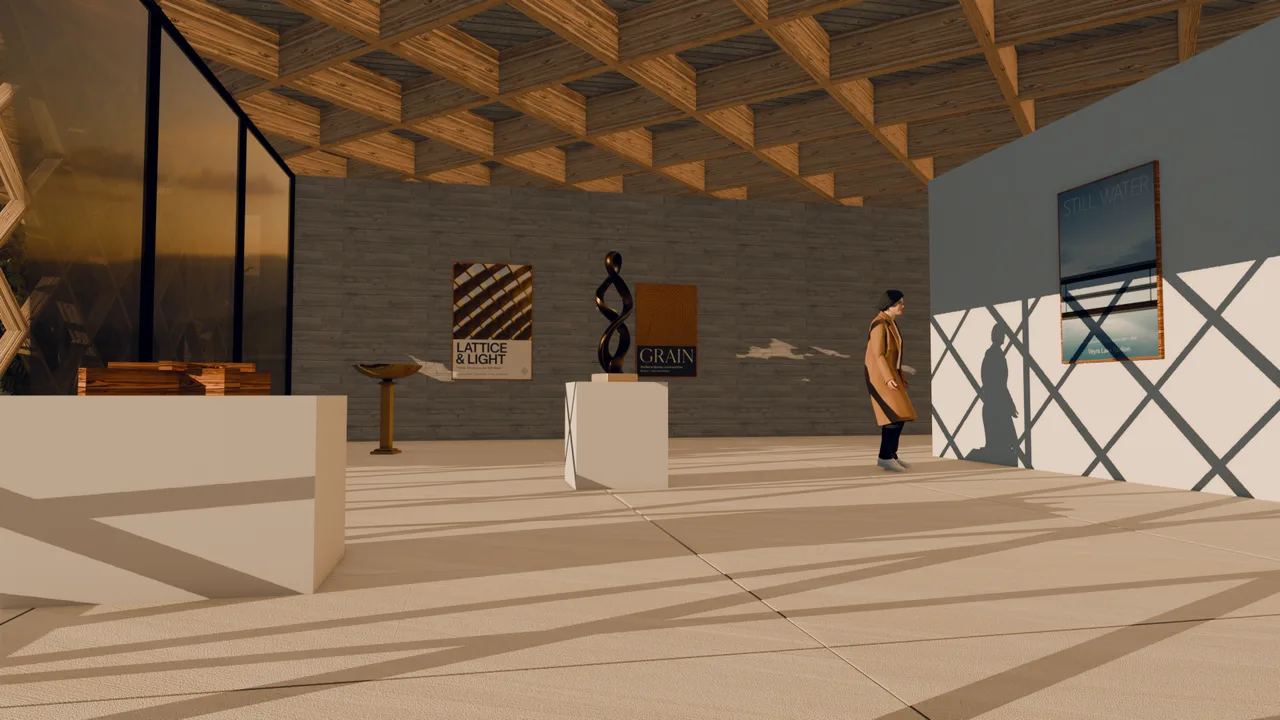
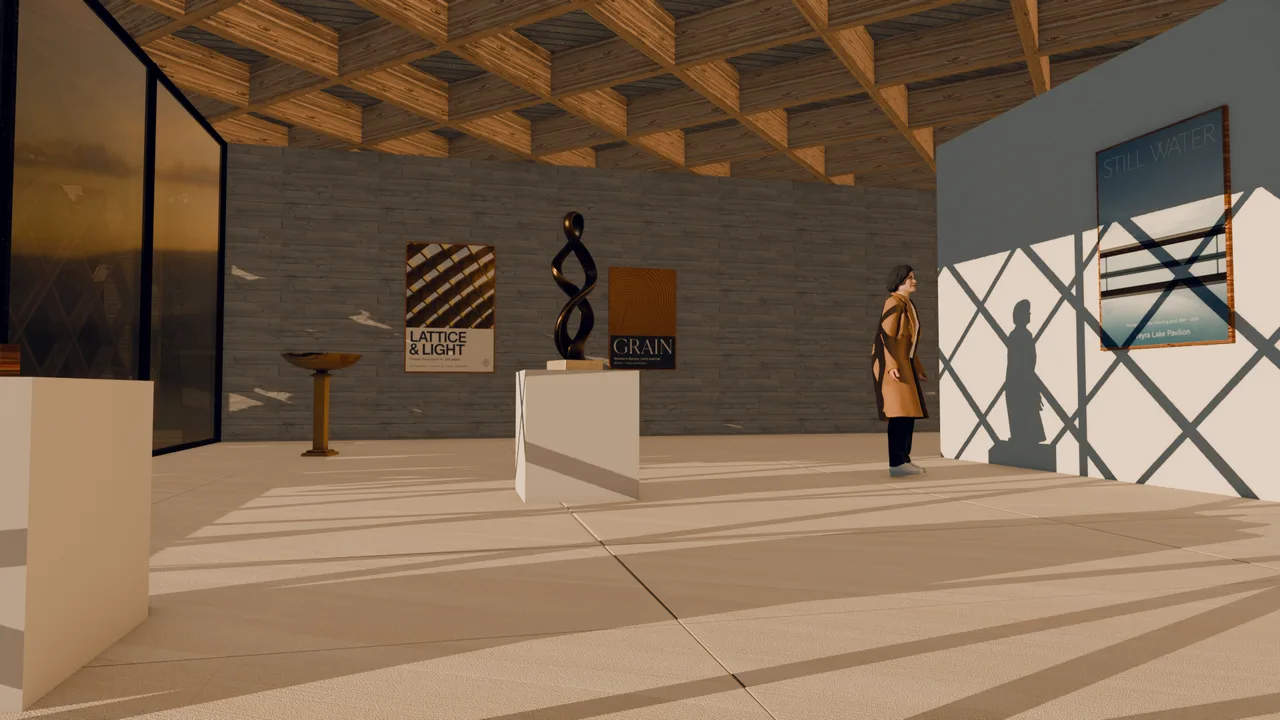
A slow slide across the lake at noon. A dolly under the lattice as a visitor walks in and stops at a print. Blue hour over the pool, the gallery lit from inside. The second pass, sound on.
02 / TWO PASSES
One prompt built it.
A second pass relit it.
Stage 1 is the autonomous session: one prompt, 125 minutes, every decision its own. Stage 2 opened the same scene with Scenario's Blender expert skills and changed only what the first reviews had flagged. Same cameras, same frames.
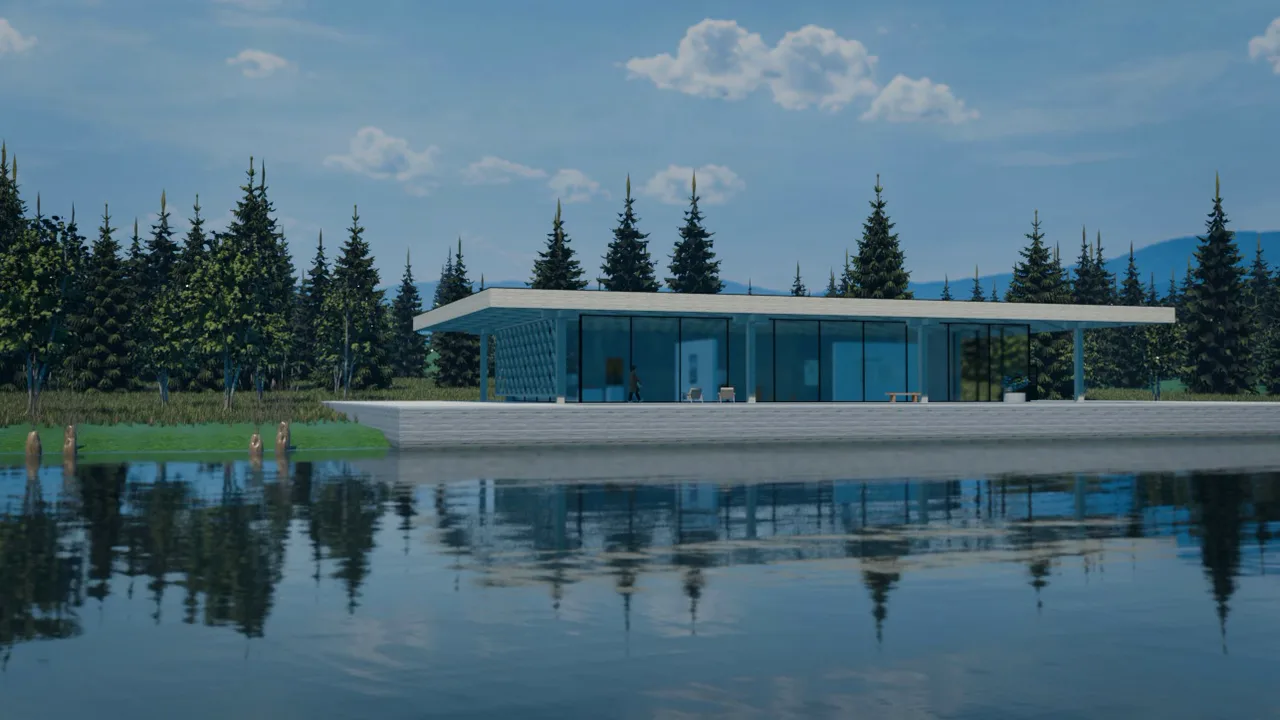
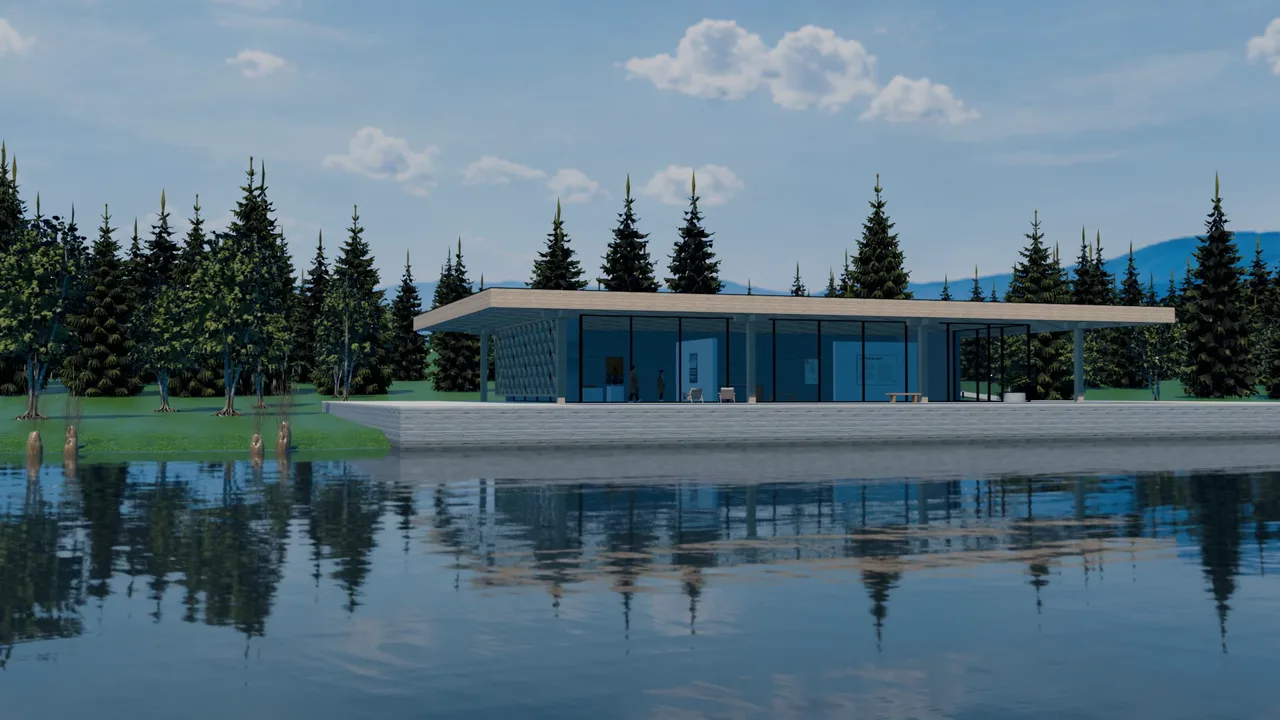
- GlassStage 1 used near-black glass with a Fresnel fade, which read as blue plastic at noon.Low-iron thin-wall glass with real transmission: the gallery reads through it, reflections stay.
- Timber and stone at duskSalmon timber and pink paving, rescued in stage 1 by a colour grade.Corrected at the source (straw-toned glulam and travertine, fixtures toward a neutral warm white, no haze at dusk). A lighter grade still left pink, so stage 1's dusk grade is kept.
- Depth and groundA flat meadow plane and a forest in the same depth band as the building.About 105,000 grass clumps scattered with Geometry Nodes near the pavilion, and a thin aerial haze at noon and golden hour.
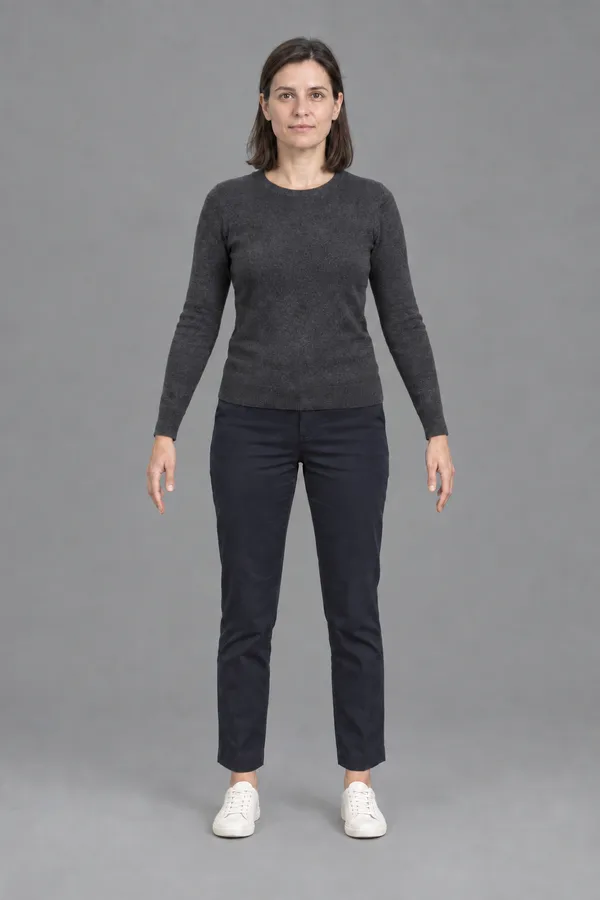
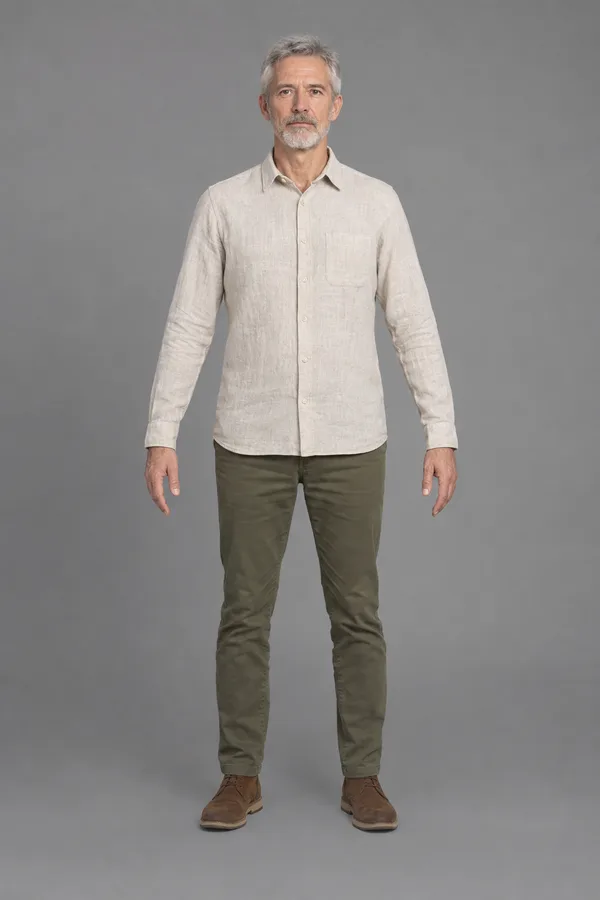
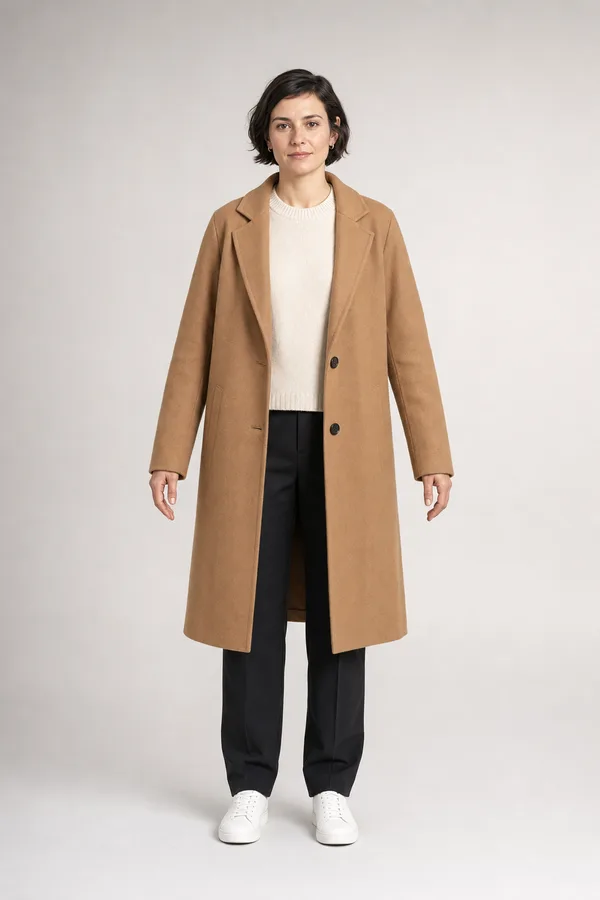
- The visitorsA looping walk cycle slid along a straight line at a fixed 1.2 m/s, so feet skated.Two new people, each walk performed on video and captured onto the rig with its own root motion.
03 / THE VISITORS
Performed first,
then captured.
GPT Image 2.5 Sunburst drew two ordinary visitors in fitted clothes. Meshy 7.1 turned each into an A-pose mesh. Seedance 2.5 performed each beat as a studio video, and three motion tools captured the same performance onto the same character. The numbers picked the winner; the eye confirmed it.
| Tool | Foot drift | Travel | Read |
|---|---|---|---|
| Cartwheel Video to Motion | about 2 cm/s | 4.5 m | Follows the performance: steps, stop, hands behind the back. Used in the film. |
| Uthana Video to Motion 2.1 | about 7 cm/s | 1.8 m | Travel compressed, knees stay bent, feet slide. |
| Meshy Animation | about 3 cm/s | in place | A clean library clip, but a stock look-around, not the beat; sinks 4 cm into the floor. |
04 / STAGE 1, ONE PROMPT
No follow-ups.
No one to ask.
The agent ran headless on one shared Mac with Blender 5.2, the Scenario Blender Plugin and the Scenario MCP. It named the building, designed the exhibition and cut the film itself. It needed one short nudge, with no creative direction, to finish after its final renders.
“PAVILION. 30 seconds, three shots. Architectural visualisation of an original lakeside pavilion: a timber lattice roof, a board-formed concrete plinth, a reflecting pool, and a small exhibition inside. Photoreal. The light moves from noon to dusk across the shots.”
The brief, from the prompt the session received
- 125 min
- one session, render included
- 56
- Scenario generations
- 10
- Scenario analysis and prompt calls
- 5,432.25
- credits (CU) charged
05 / THREE SKIES
One lake,
three hours.
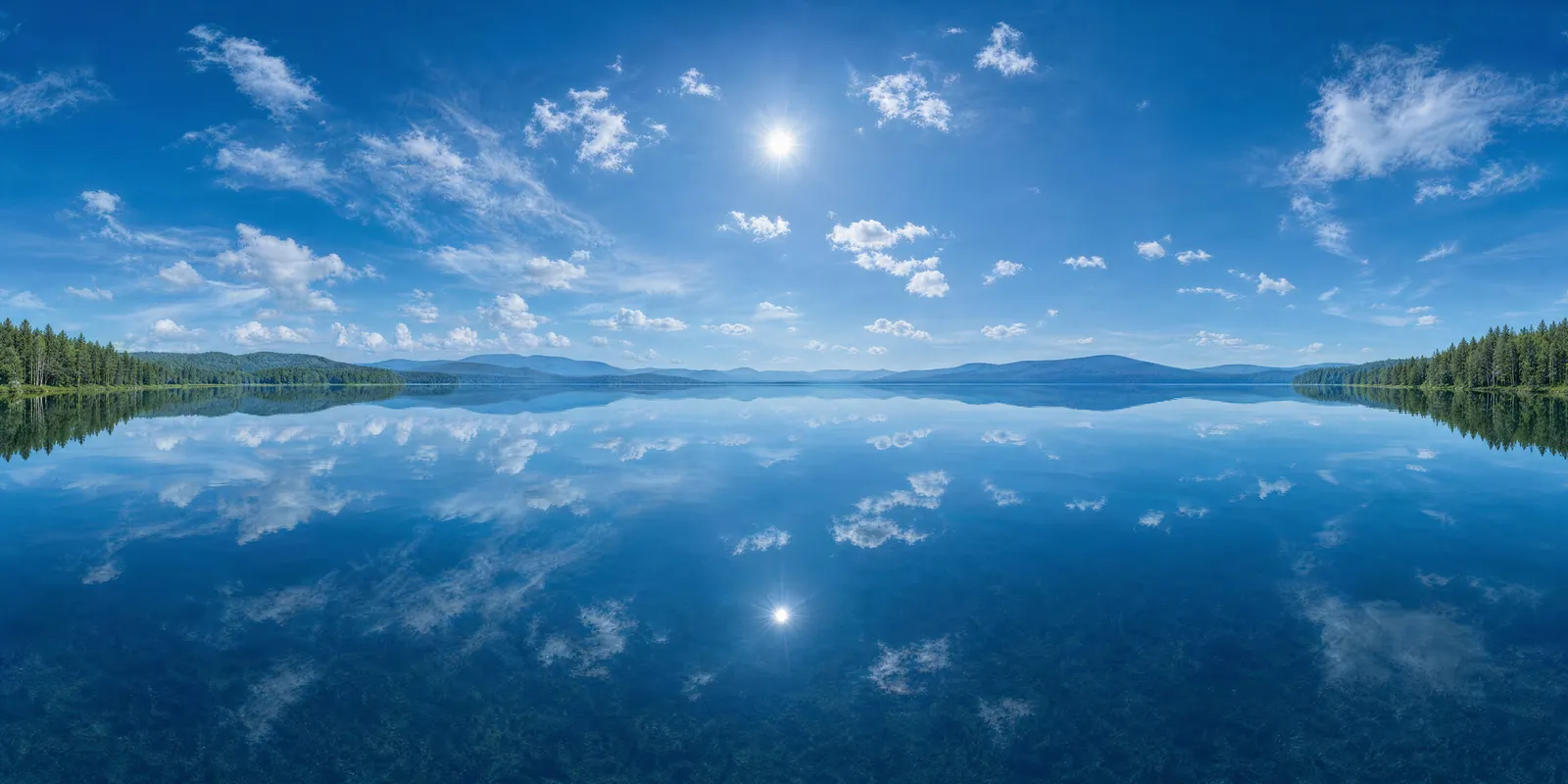
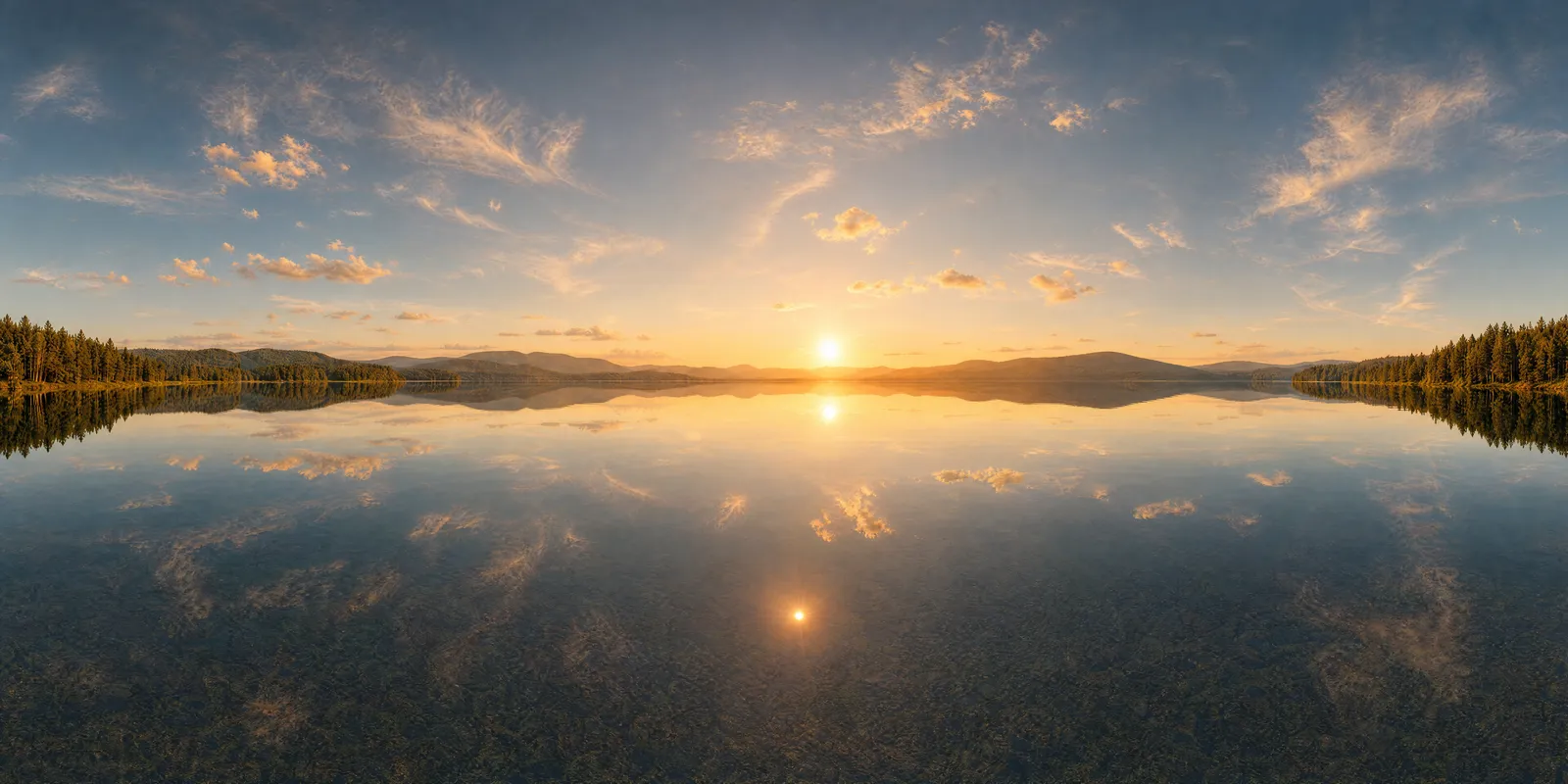
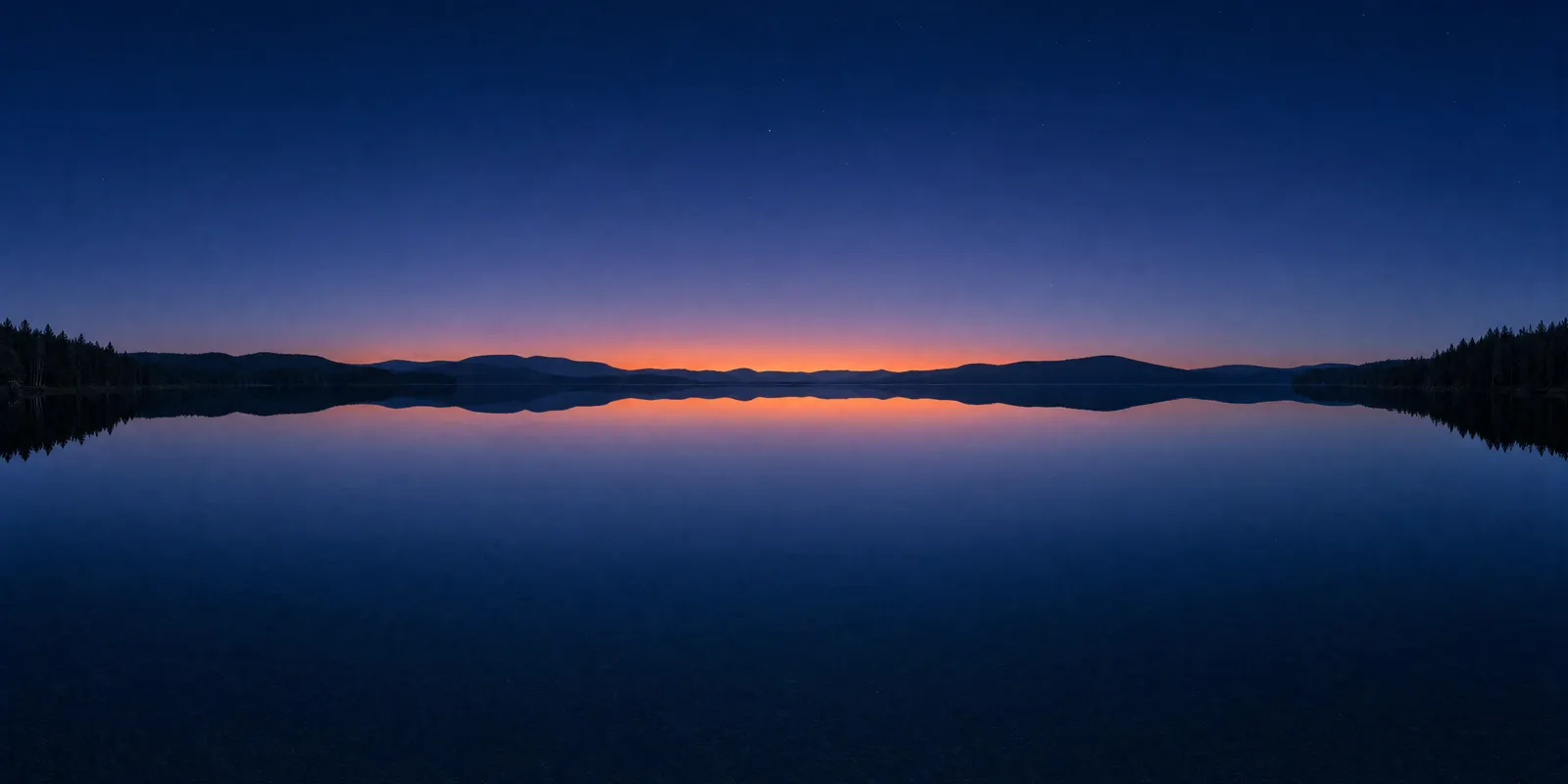
Skybox GPT made the noon sky from a Prompt Spark rewrite, then golden hour and dusk with the noon sky as the reference, so the horizon and forest stay put. HDRi Skybox turned each into an EXR world, and the plugin's saved looks switch world, suns and lights per shot.
06 / WHAT SCENARIO MADE
Concept, then mesh,
then the gallery.
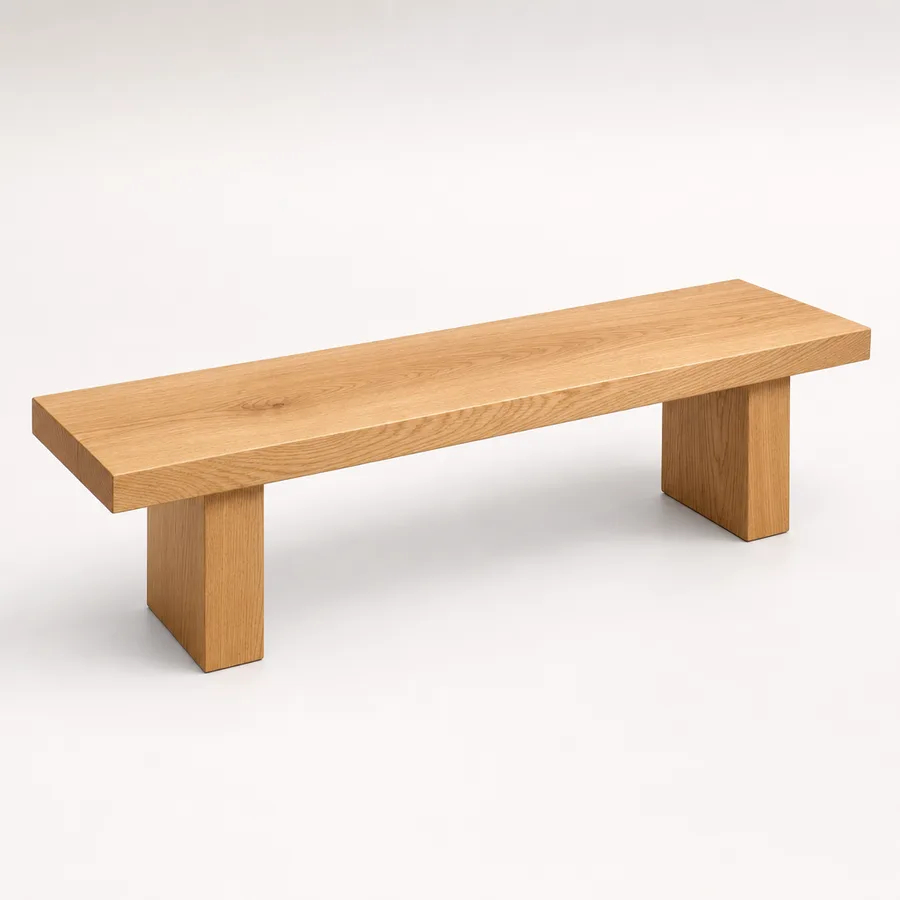
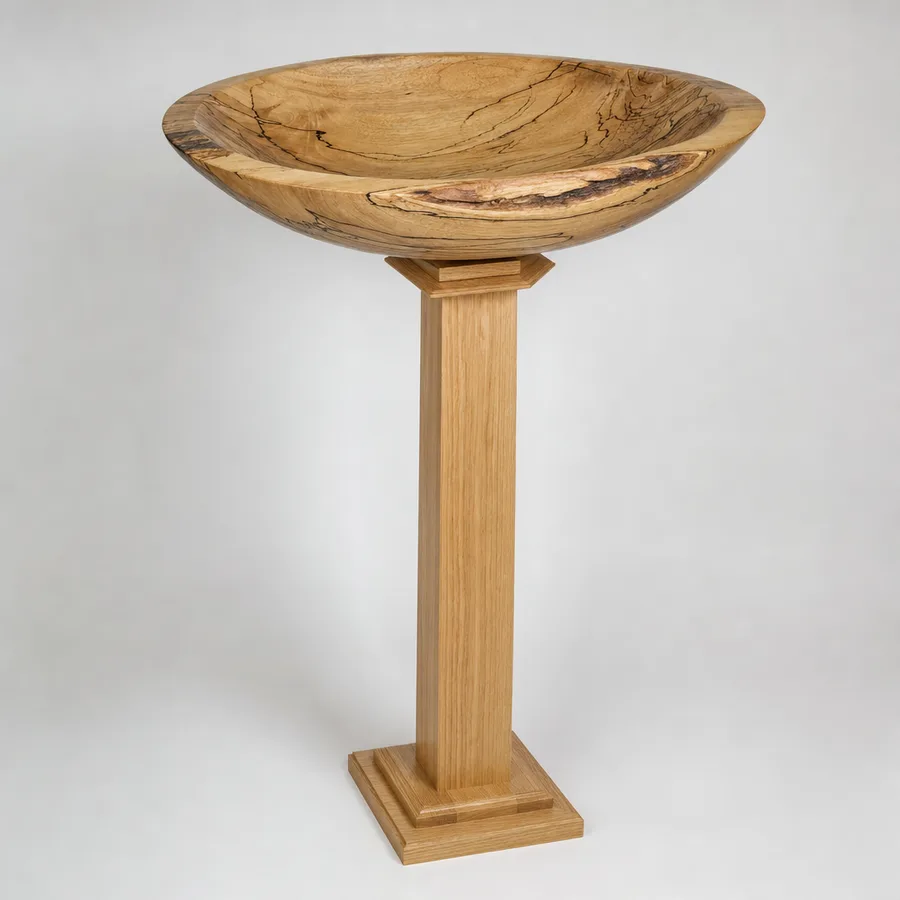
Scenario's recommend tool ranked the 3D models. GPT Image 2 drew each object on a neutral background; the mesh went into a Scenario Blender Plugin asset slot in place of a grey proxy.
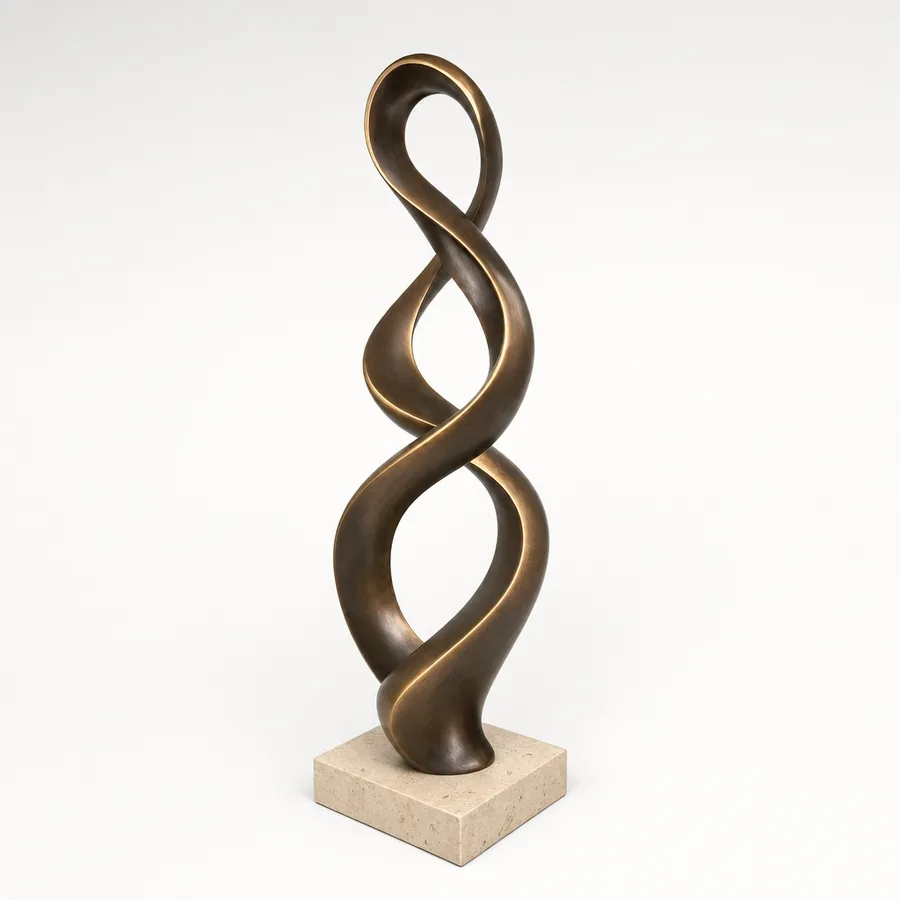
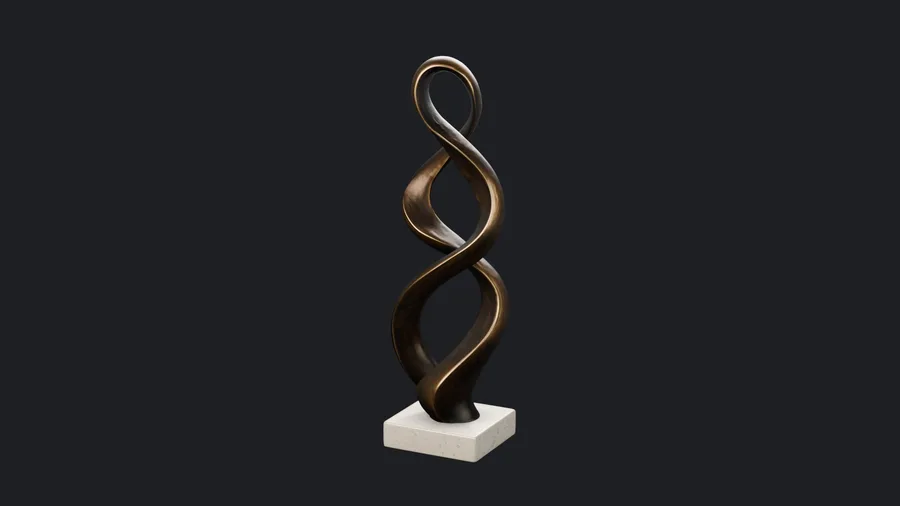
GPT Image 2 concept · Hitem3D 3.0 image to 3D, PBR.
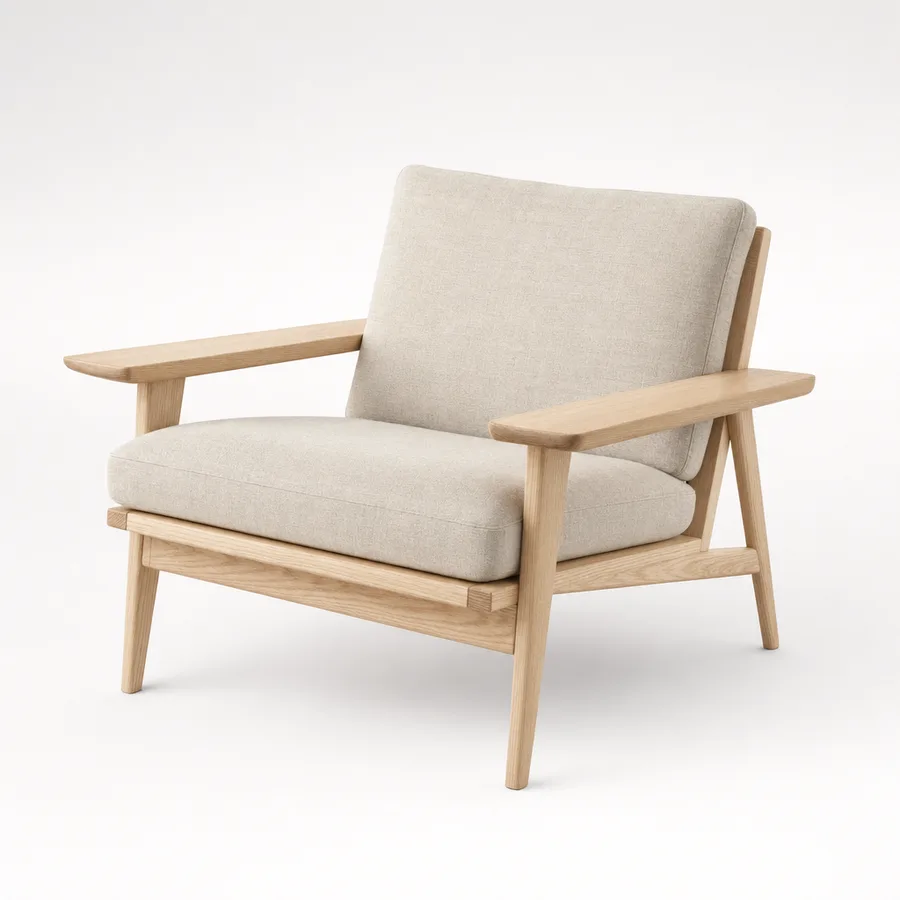
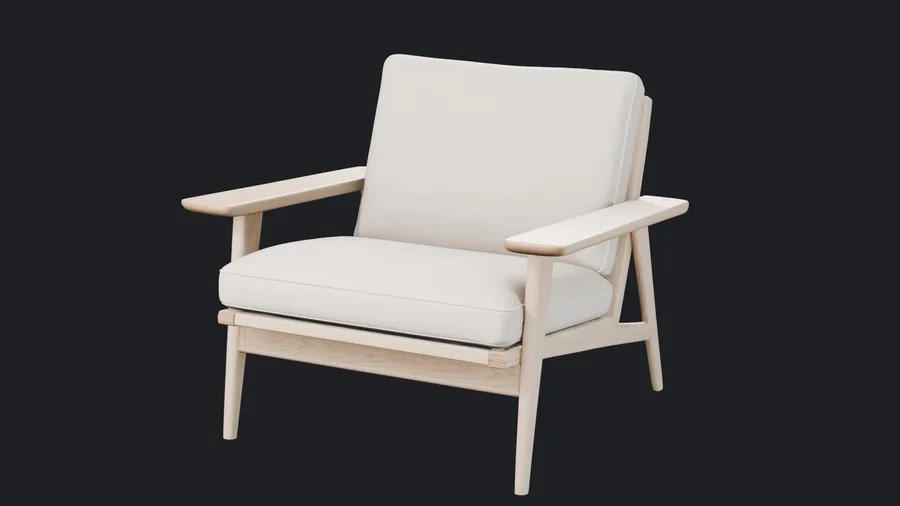
GPT Image 2 concept · Hitem3D 3.0 image to 3D, PBR.
GPT Image 2 concept · Tripo 3.1 mesh · Tripo Rigging walk and idle, for three visitors.
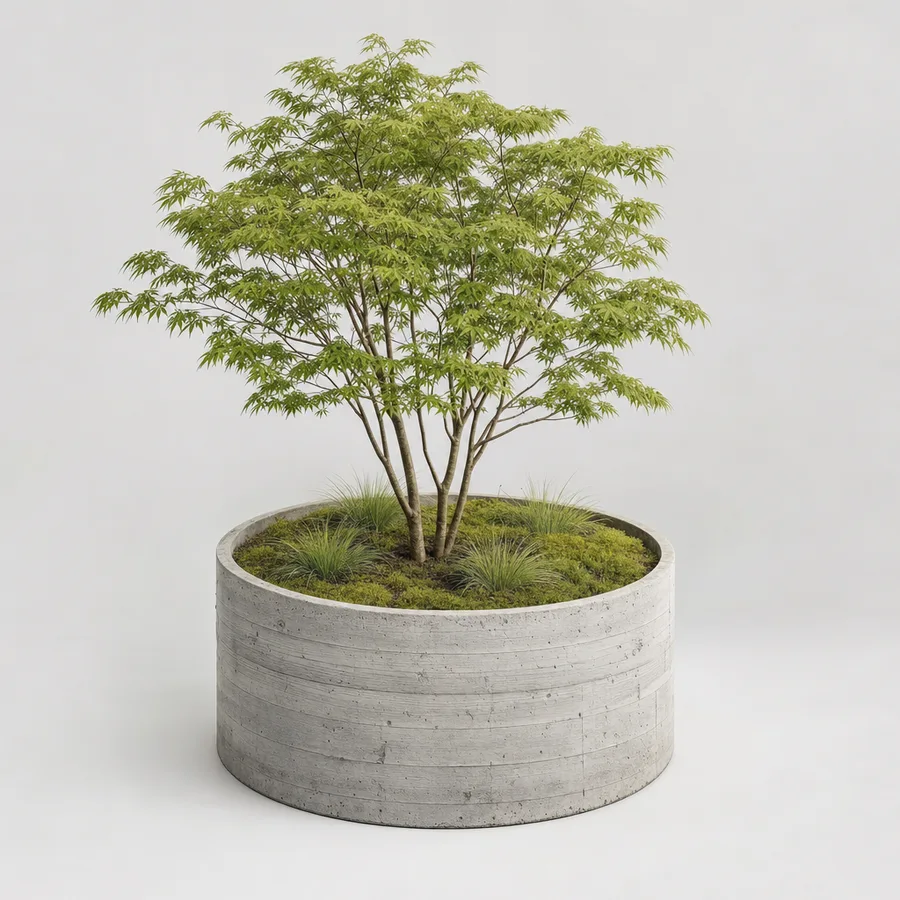
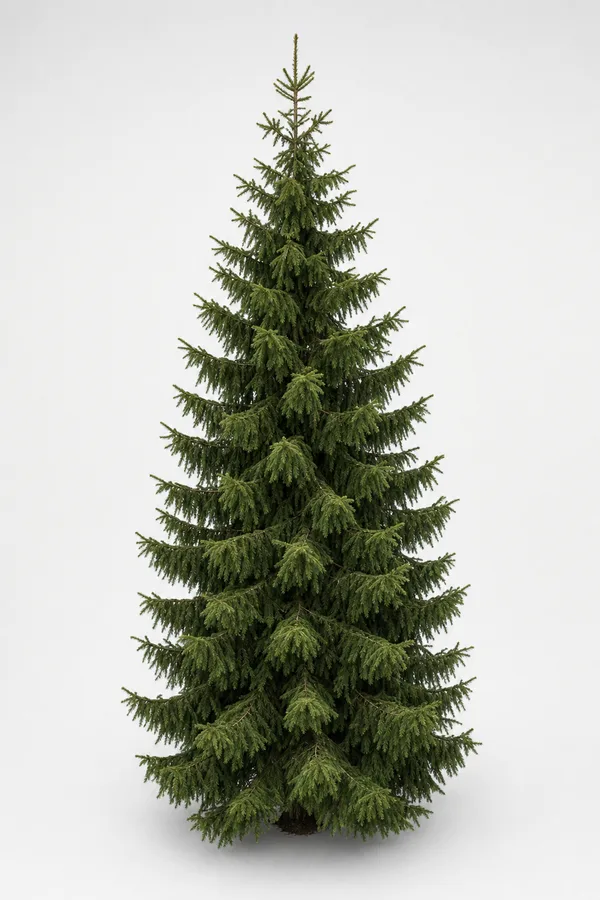
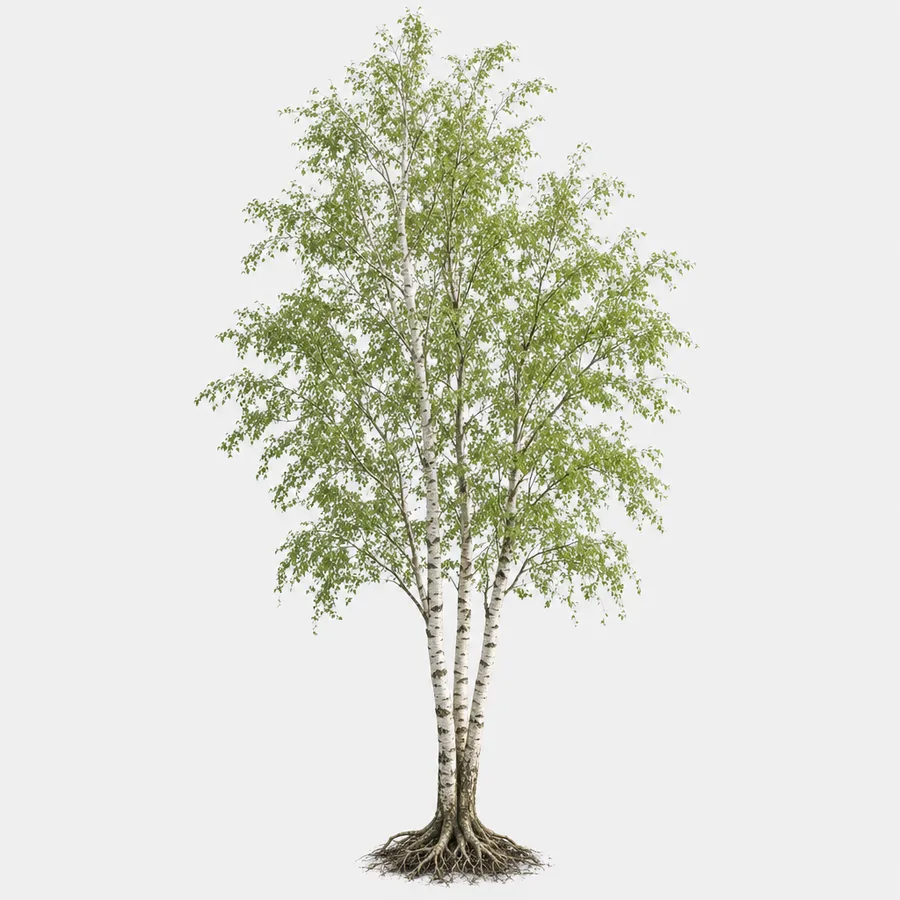
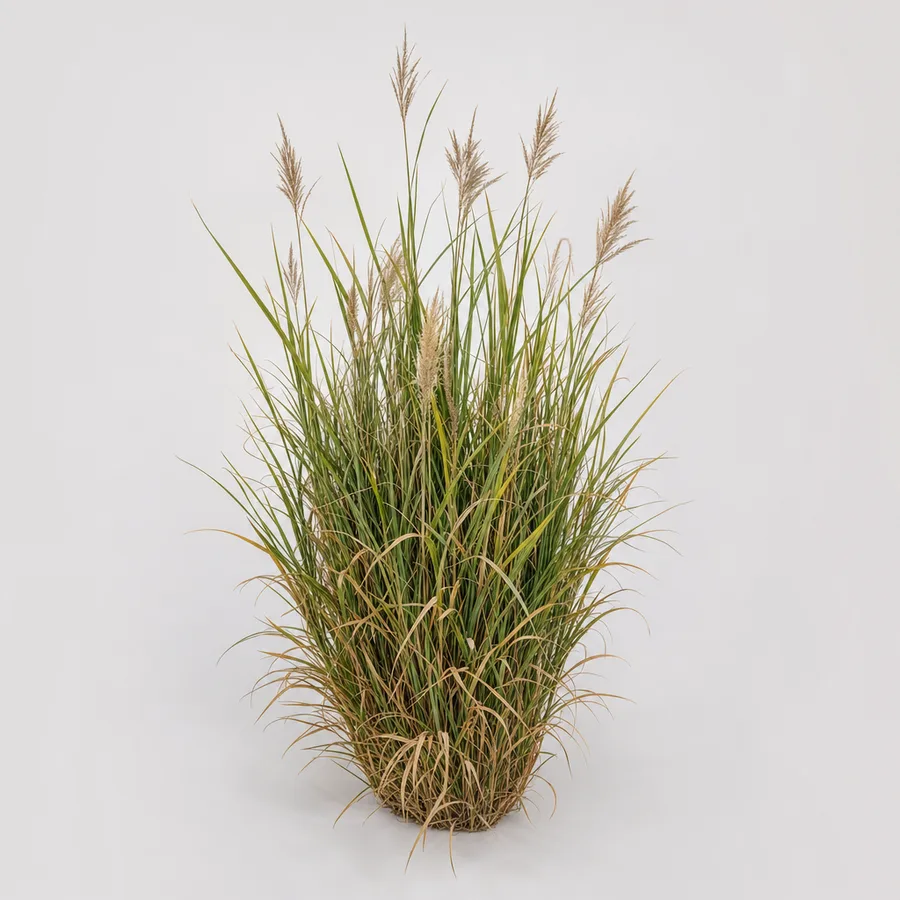
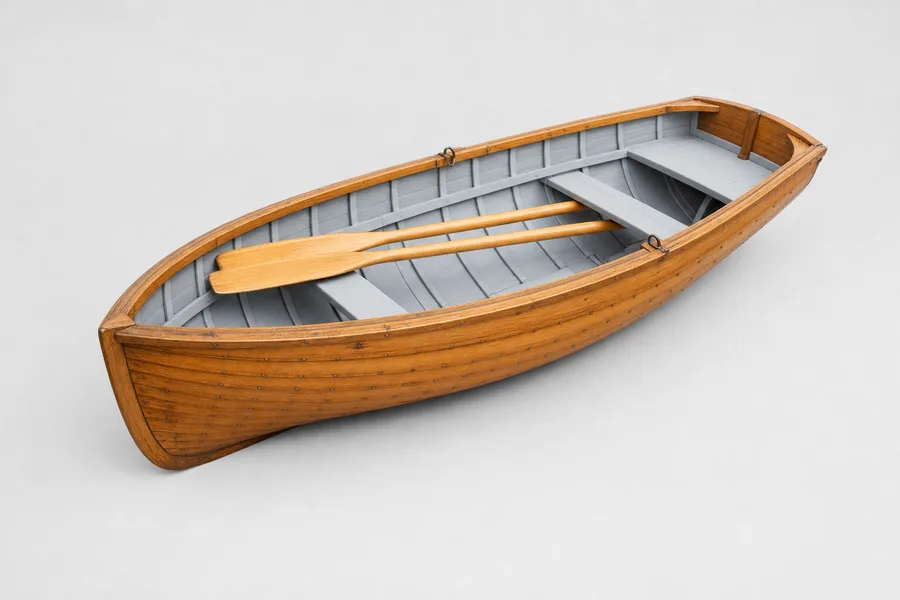
Ten surfaces
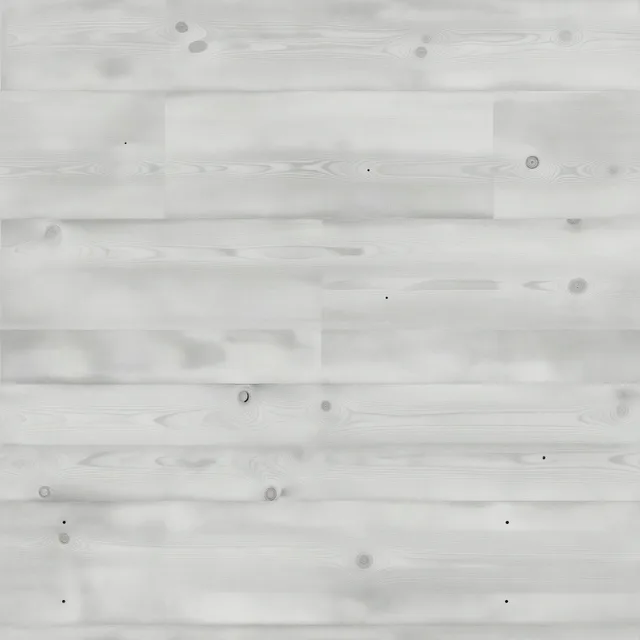
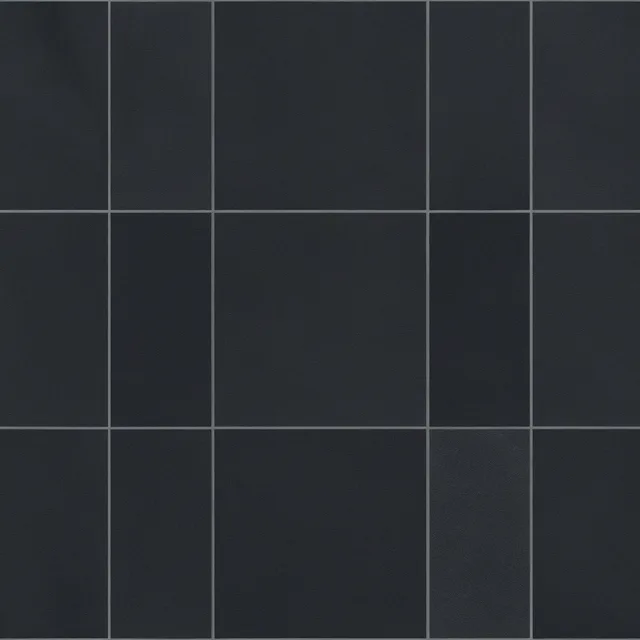
PATINA Material generated each PBR set; the plugin's PBR function applied them. The first travertine read as wood, so a vein-cut second one replaced it. The ripple map drives the lake and the pool at two scales.
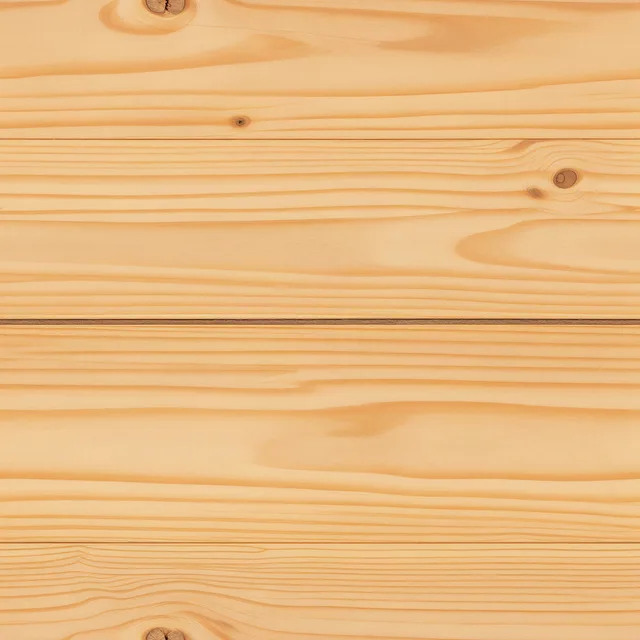

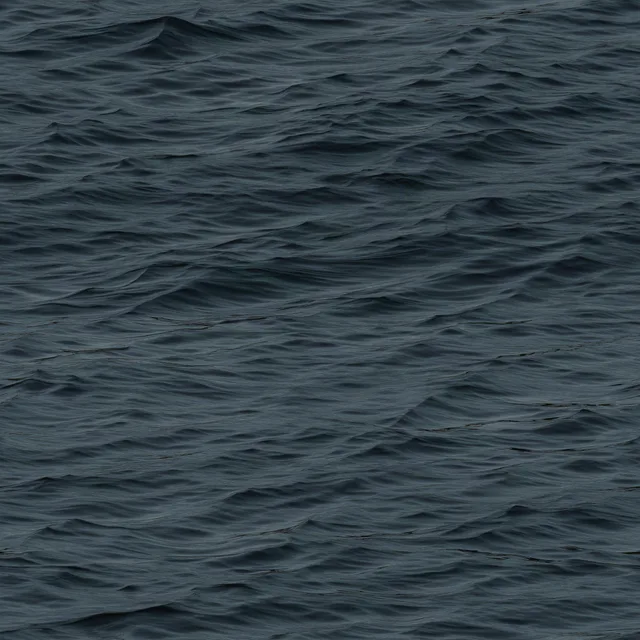
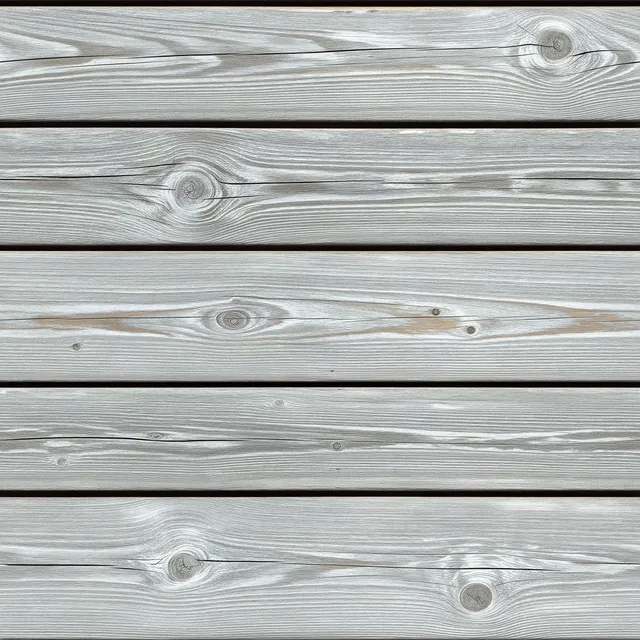


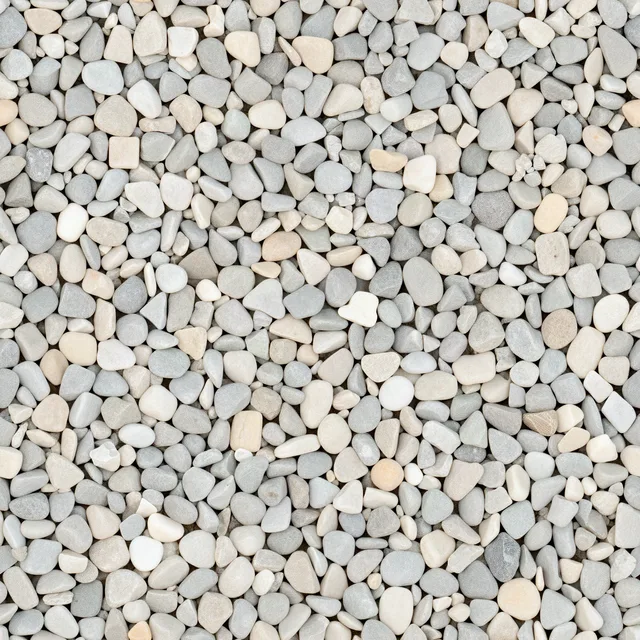
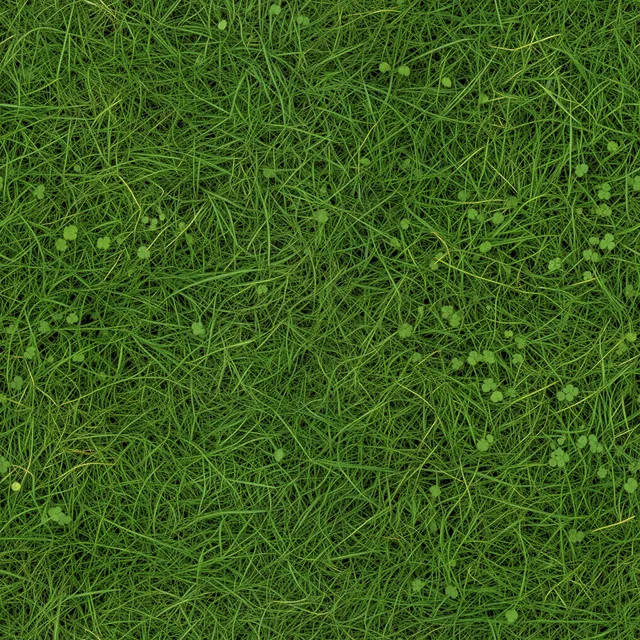
An exhibition, invented
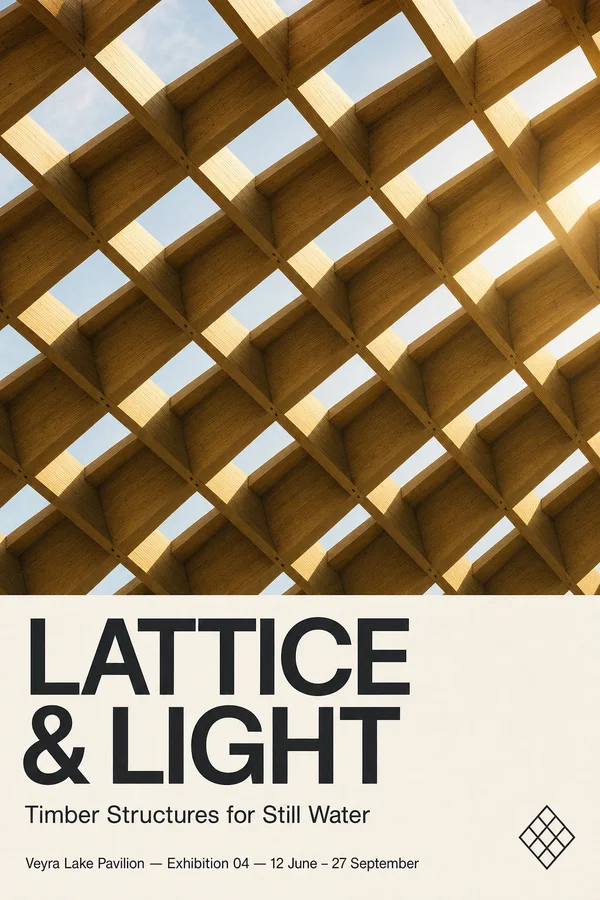
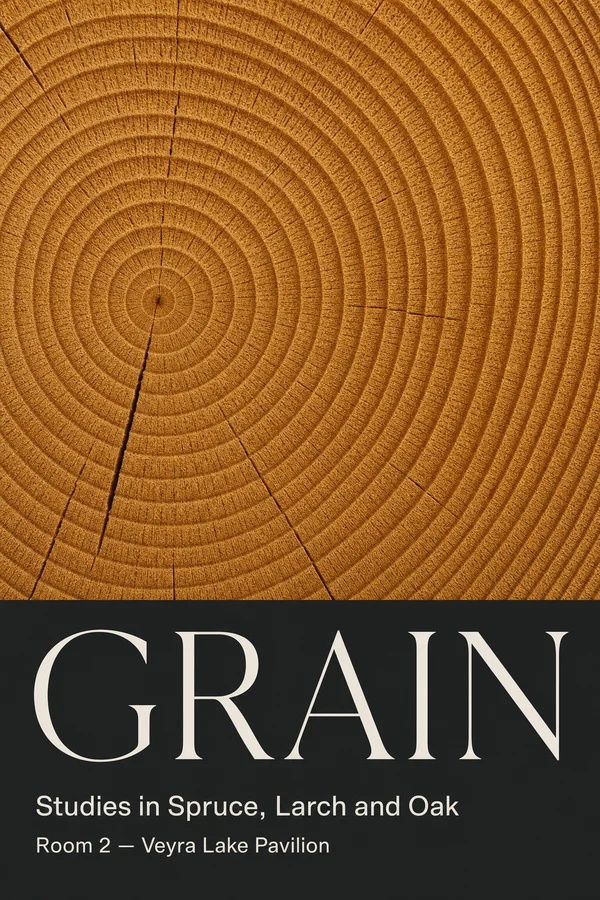
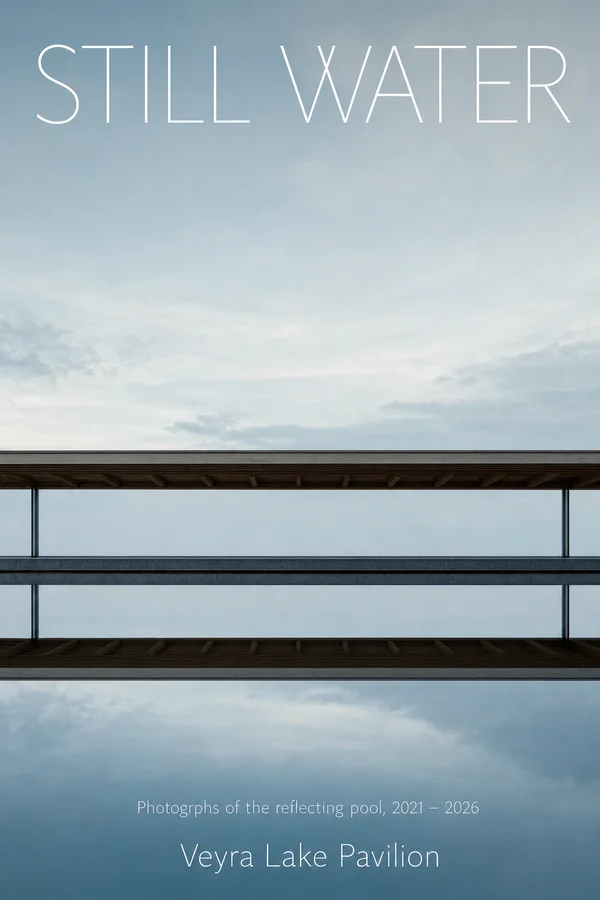
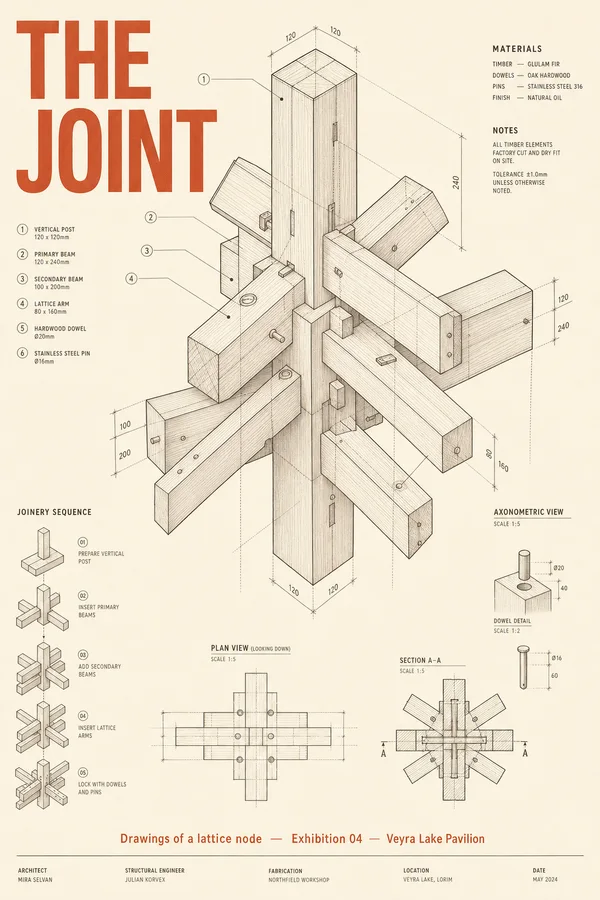
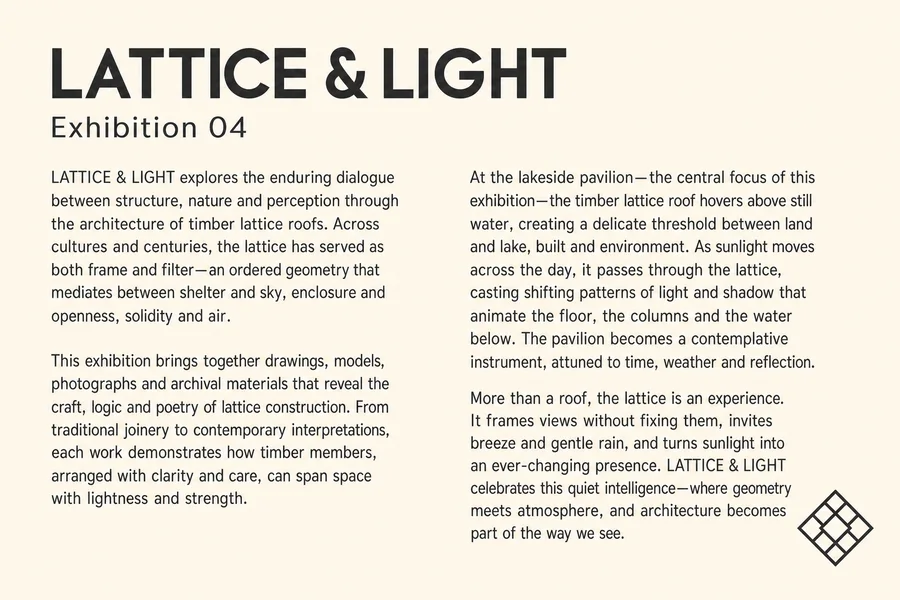
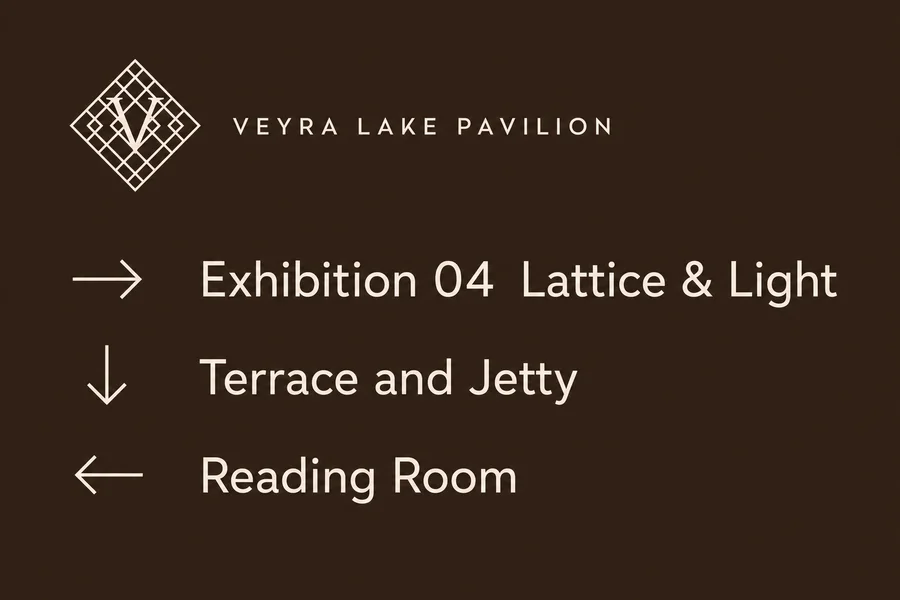
GPT Image 2 designed Lattice & Light, Exhibition 04: four prints, the wall text, a bronze wayfinding totem and the brass VEYRA logo on the plinth. Scenario's caption tool read the main poster back correctly.
07 / CLAY TO FINAL
Same camera.
Same frame.
The site, the structure, the exhibition, the cameras and the lights were written in Python, in sixteen stages. Drag to see the noon shot without its materials, sky and water.
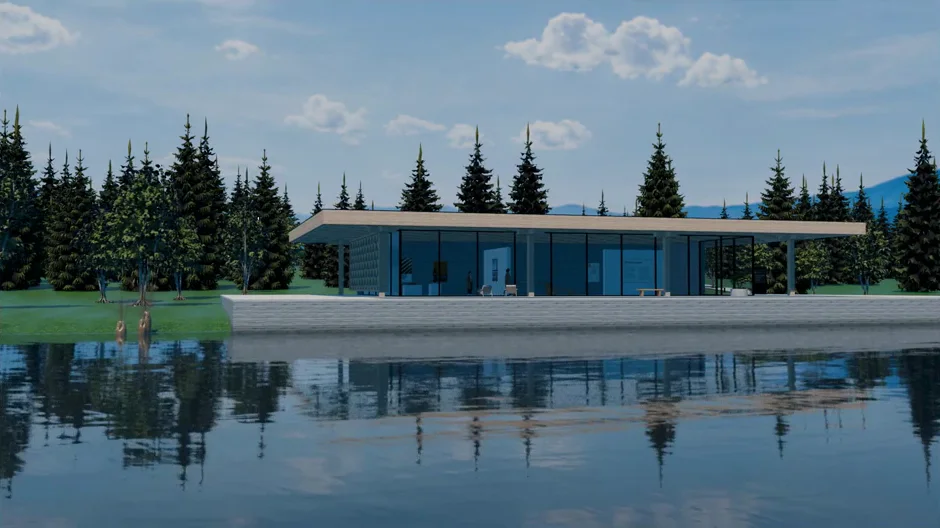
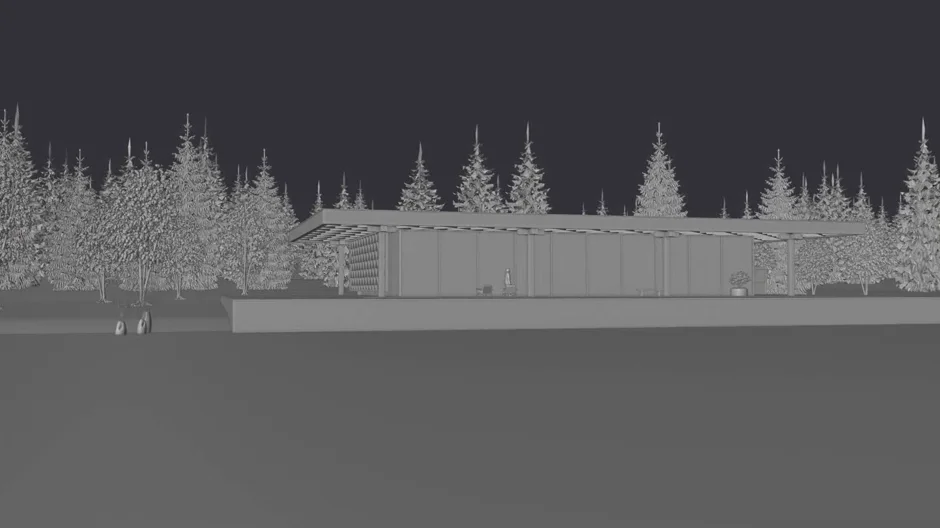
Drag the divider, or focus it and use the arrow keys.
08 / THE REVIEW LOOP
It looked at its own work.
Then changed it.
The agent opened its test renders, then sent three to Scenario's analysis as an art director. Each note below changed the scene or the grade before the film was final.
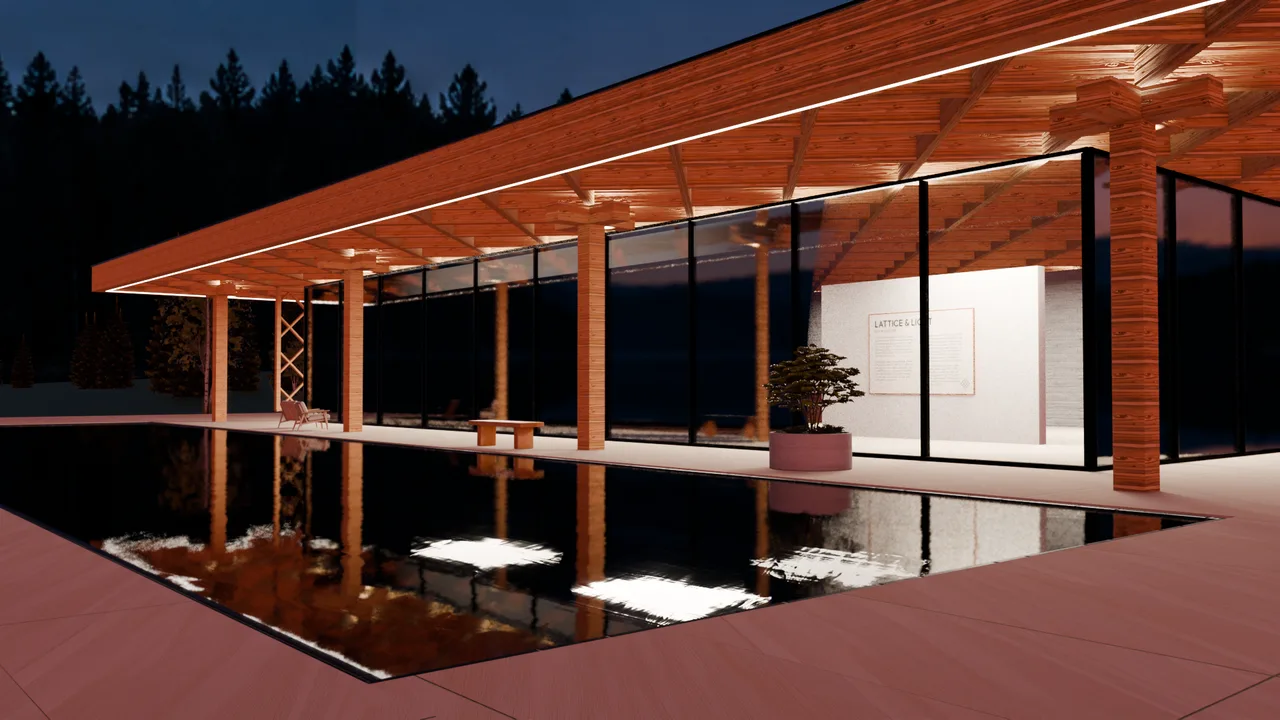
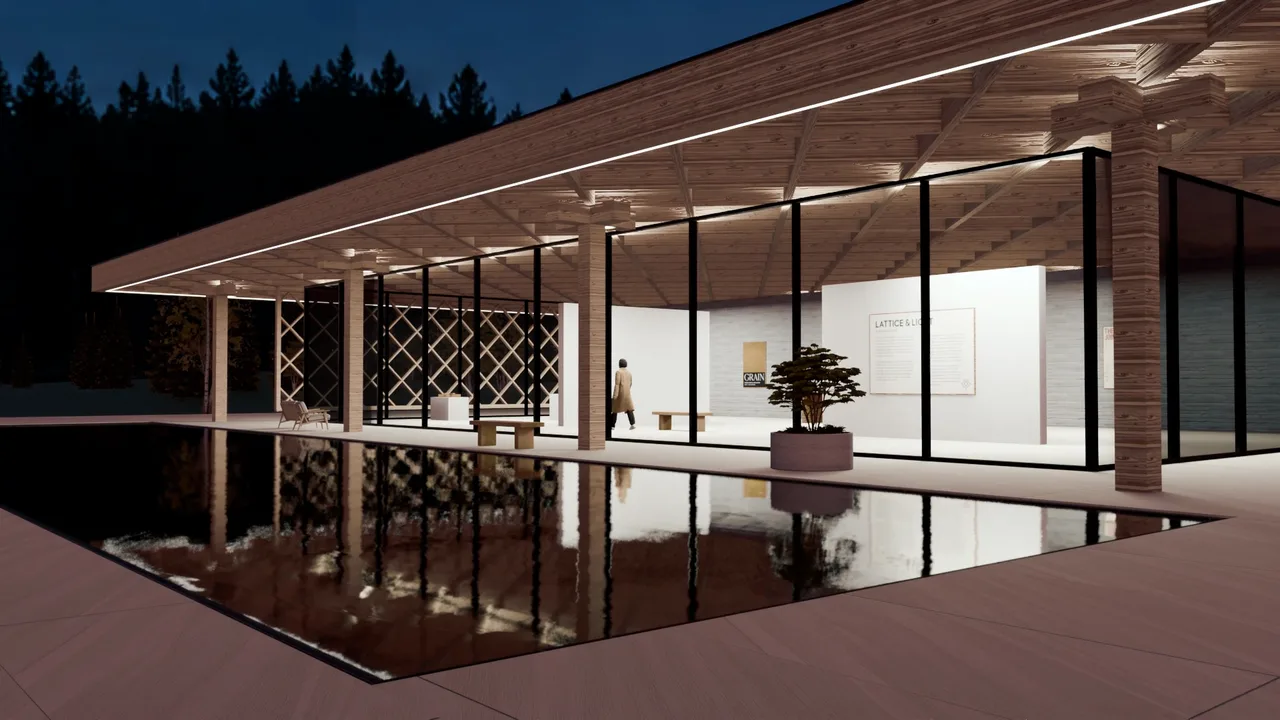
- Scenario asset analysis, test framesDusk timber reads terracotta, white “paint splash” blobs in the pool, glazing that shows no interior, a clipped LED line, no people for scale.Less saturated timber and a cooler warm white, no specular on the big area lights, Fresnel-alpha glass, the LED line cut from 40 to 9, visitors and a moored boat.
- Scenario asset analysis, final framesNoon 5.5, golden 6.5, dusk 6 out of 10. Left: glass a little blue at noon, an amber interior, salmon timber at dusk.A per-shot colour grade in the encode for shots 2 and 3. The noon glass stays as it is.
- Quality GateHigh sensitivity on the three final frames: pass, 96 out of 100 each, with no reasons given.Far more lenient than the art review; both scores are reported.
- Asset detect, depthThe forest sits only about 12 metres behind the pavilion, in almost the same depth band.Confirms the review's flat-depth note; left for a next pass.
09 / THE SOUND
A felt piano,
and the lake.
ElevenLabs Music v2 wrote the score: felt piano, 64 BPM, D major, in three sections. ElevenLabs Sound Effects 2 made the layers: water that drops away inside the glass, birds at noon, chimes at 12 and 21.5 seconds, a blackbird and crickets at the dusk cut.
10 / THE BUILD
The build,
as it happened.
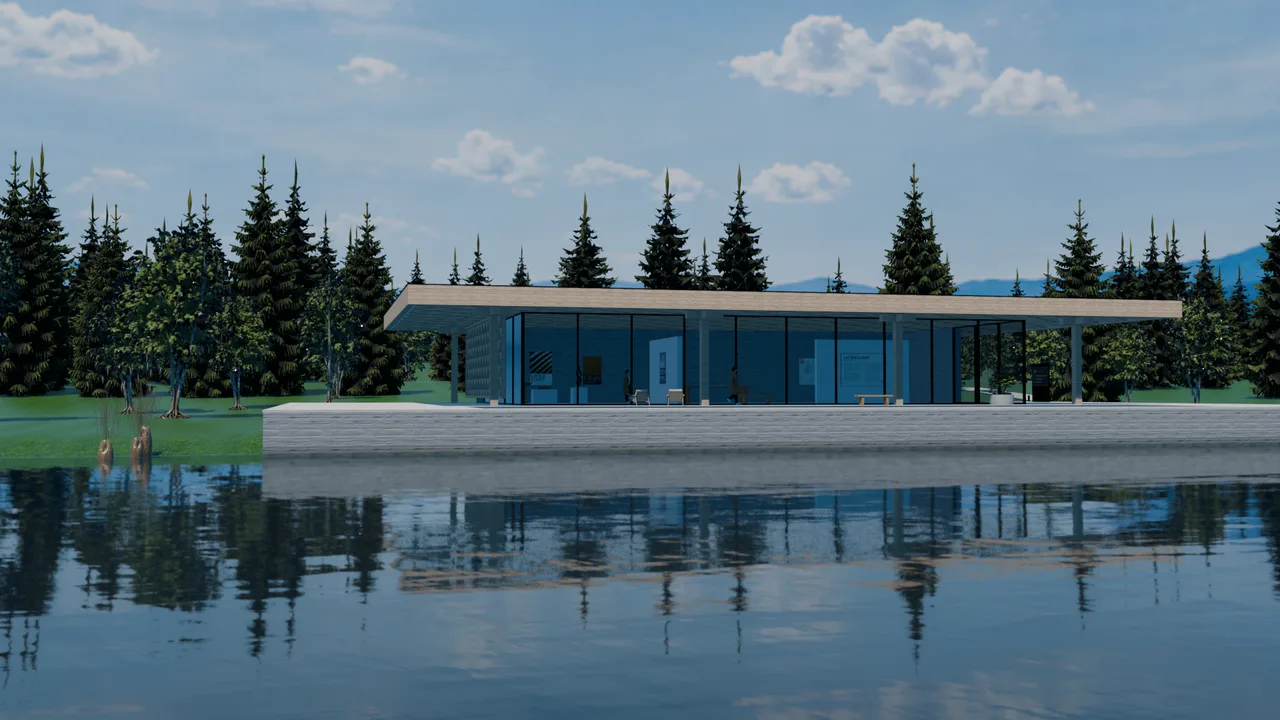
The agent recorded 127 progress frames while it worked, each stamped with its step. Once the shot cameras existed, their timeline markers took over the render camera, so most frames show a shot view instead of the fixed wide one. It caught this at the end and fixed the helper, without rebuilding the scene to record again.
11 / MAKE YOUR OWN
Take the pipeline.
Bring your own building.
The skill packages this workflow for an agent connected to the Scenario MCP: design the building in numbers, make three skies from one, save a look per time of day, surface it with generated materials, review the renders and grade per shot.
scenario-blender-archviz-film
SKILL.md, the time-of-day, visitor-motion and review references, the timelapse helper and the per-shot grade encoder.
Download the skill ↓ PDF · ILLUSTRATEDThe making-of
Both passes: the brief, the skies, the assets, the visitors shoot-out, the review notes and what they changed, the sound, and the receipt.
Read the making-of ↗ VIDEO · 3:14 · NARRATEDHow it was made
The drawing set: every Scenario step of both passes, sheet by sheet, with what was asked and what came back.
Download the video ↓Your building, your lake, your three hours of light.
Make yours