03 / Establish one identity per scene and treatmentChoose one master.
Derive every other angle from it.
GPT Image 2.5 Sunburst produces the selected vehicle and cast master at 2048 × 1152, maximum quality. Every angle reuses that master directly, paired with its exact Blender frame. We avoid a chain of edits that gradually changes the design.
Lock the vehicle’s construction, proportions, colors, glazing and equipment, plus the people’s clothes, seats and facing direction. A new camera angle must not create a new vehicle or rearrange its occupants.
The realistic identity masters
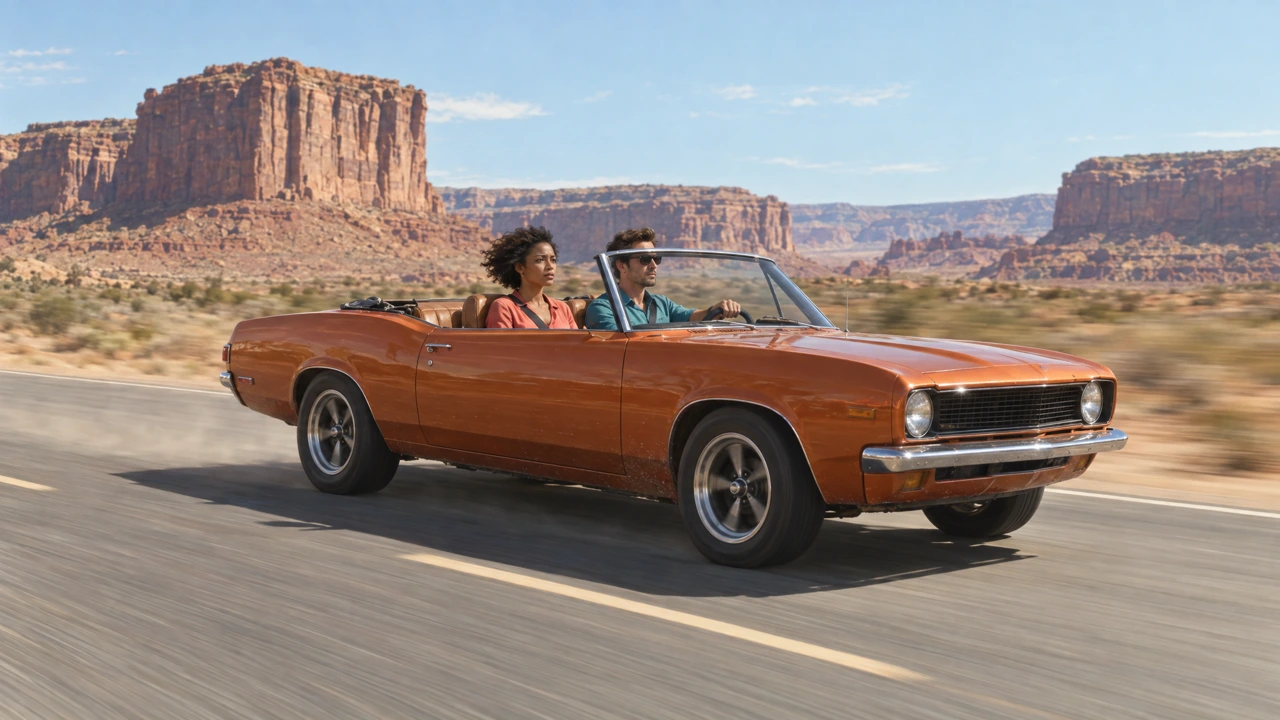 Identity master / Car
Desert pursuit
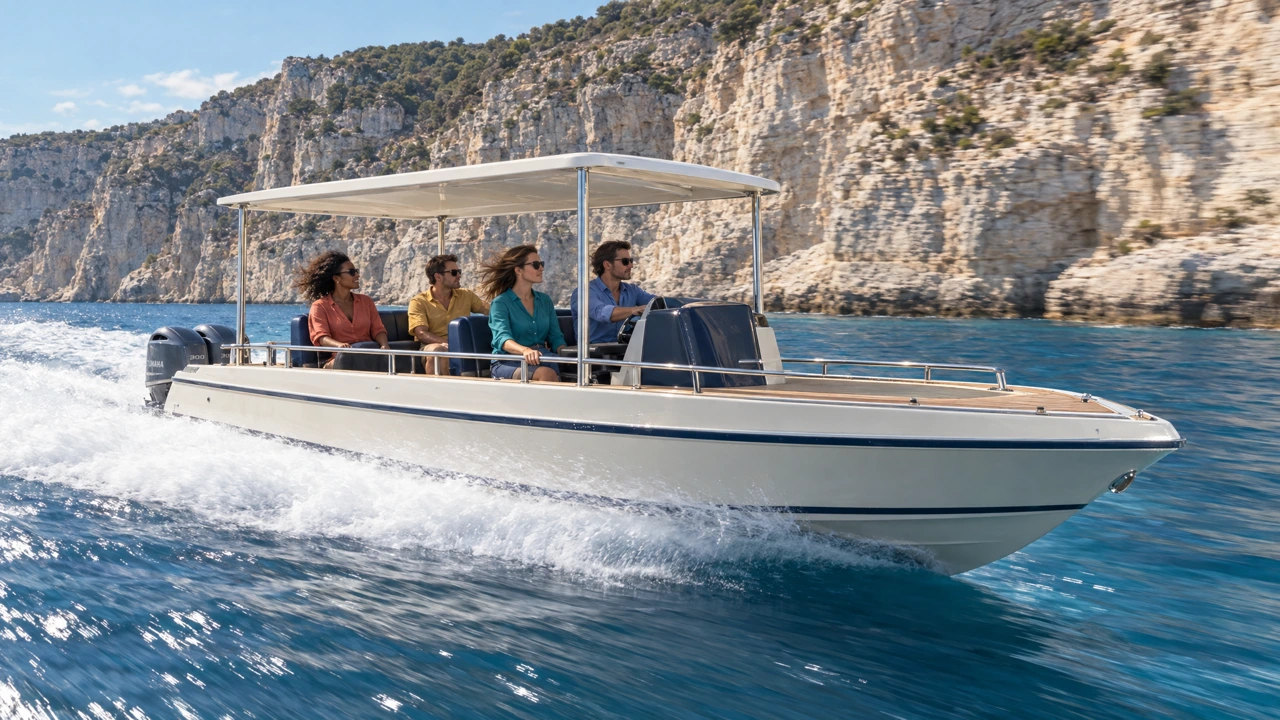 Identity master / Boat
Mediterranean coast
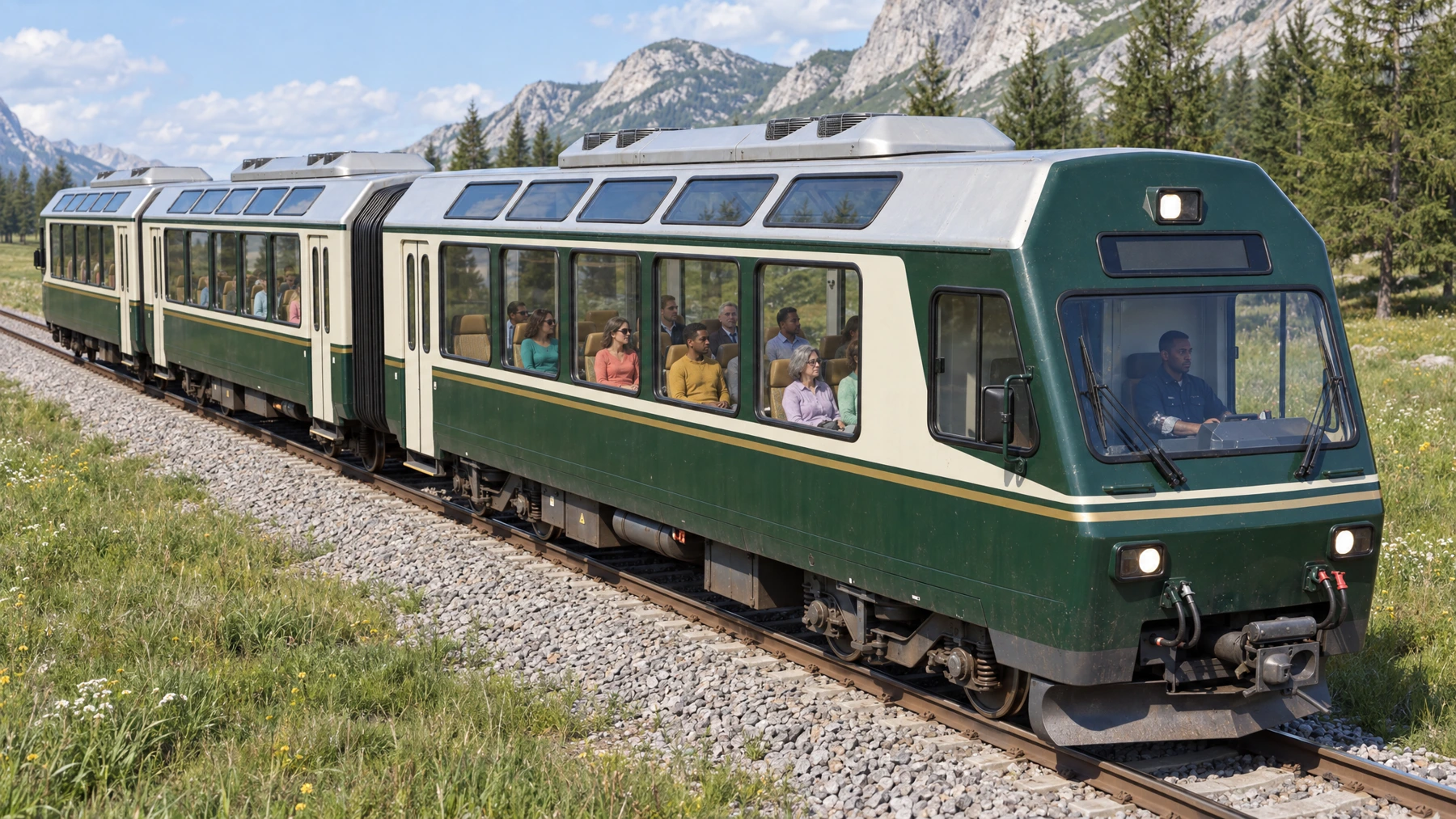 Identity master / Train
Three carriages
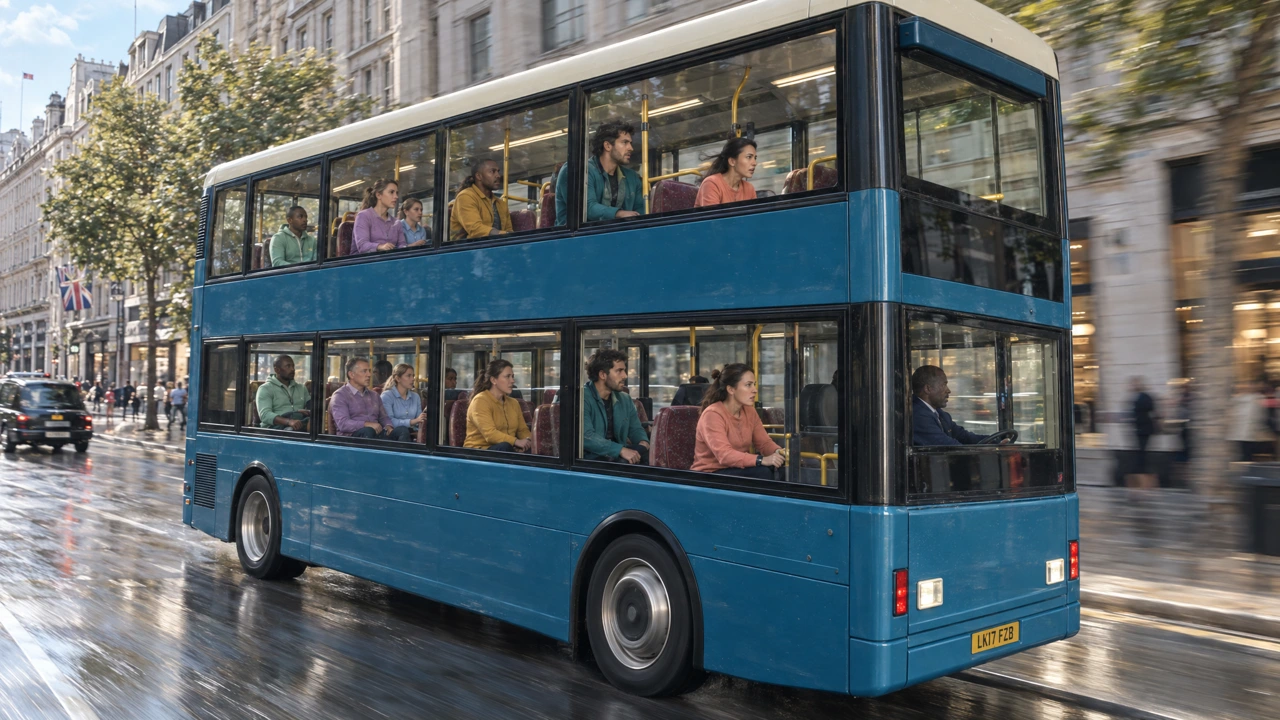 Identity master / Bus
Urban escape
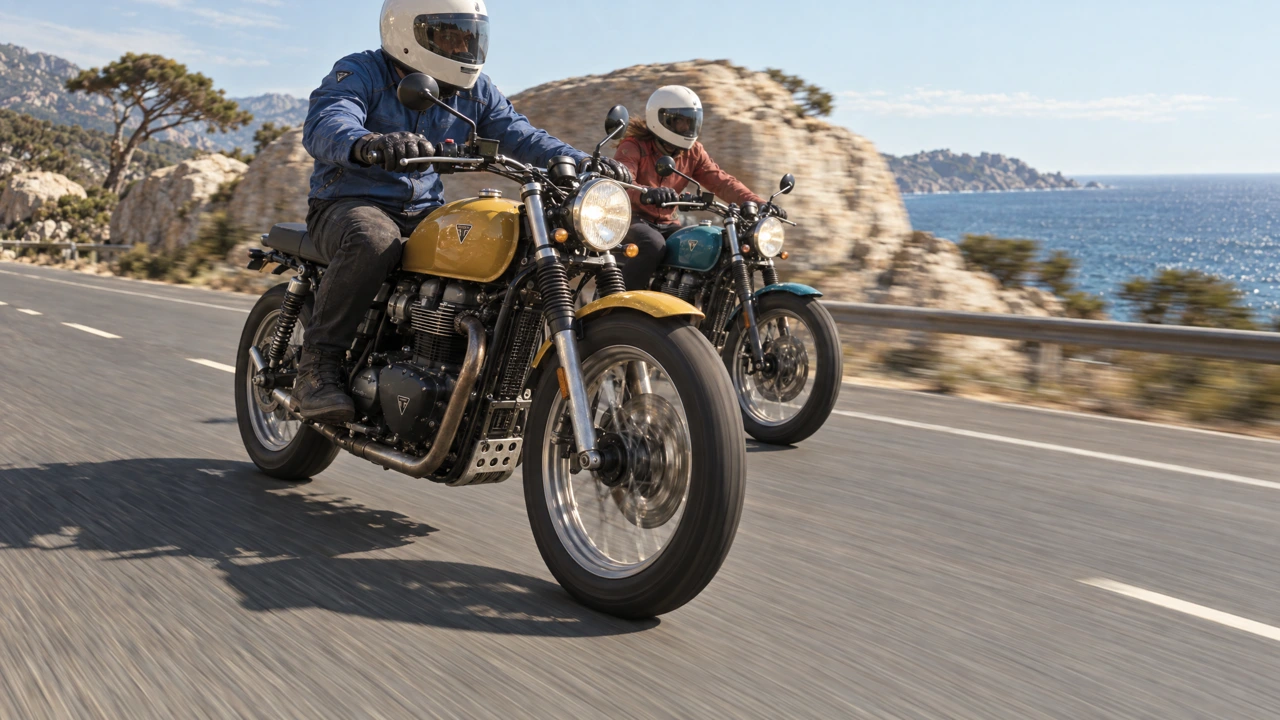 Identity master / Motorcycle
Two-rider pursuit
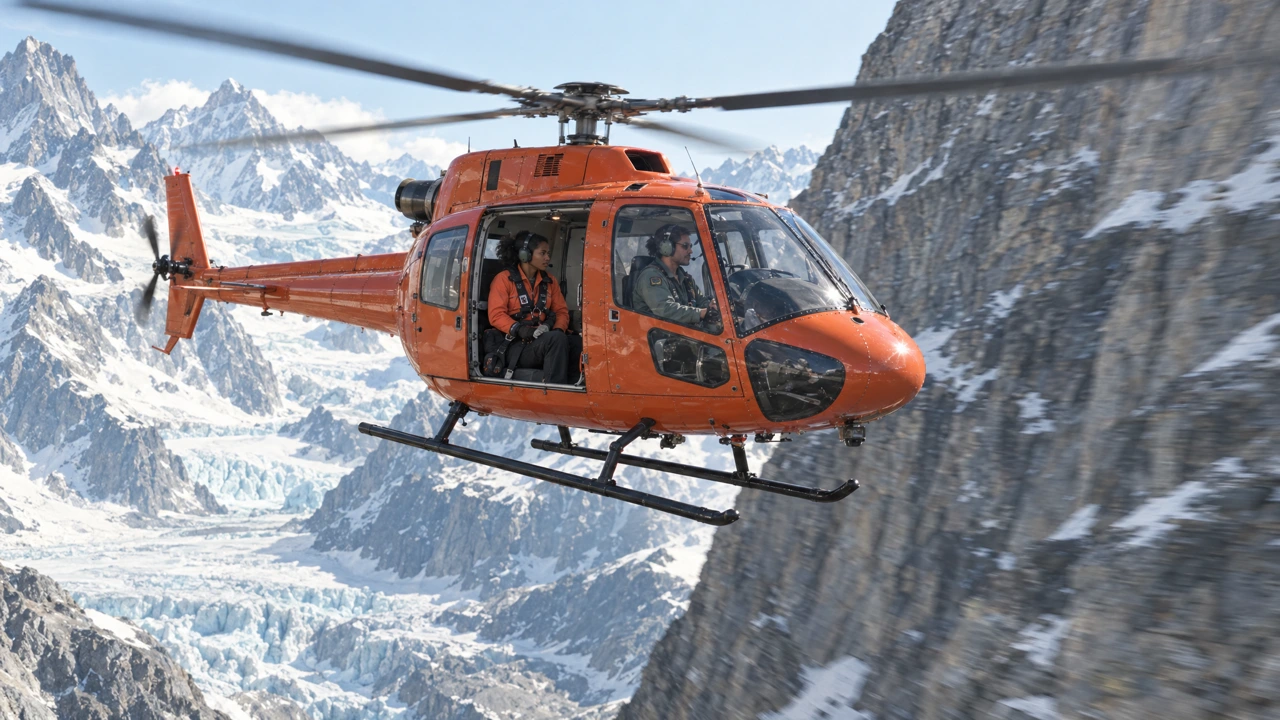 Identity master / Helicopter
Glacier chase
The train began with a railway photograph and a Gemini construction draft, finished in Sunburst. Its nine shot images were derived separately. For the other five scenes, the master is already the 2-second Blender viewpoint, so eight further images complete each nine-image set.
A different take / Visual style and soundSix animation worlds.
The same authored movement.
Each scene received a new Sunburst master directly from its 2-second Blender frame: cel animation, layered papercut, needle-felt miniatures, claymation, printed ink or folded paper. Eight further views reuse that same master with their actual source frames. The stylized films begin from the Blender motion study, with their own designs and materials.
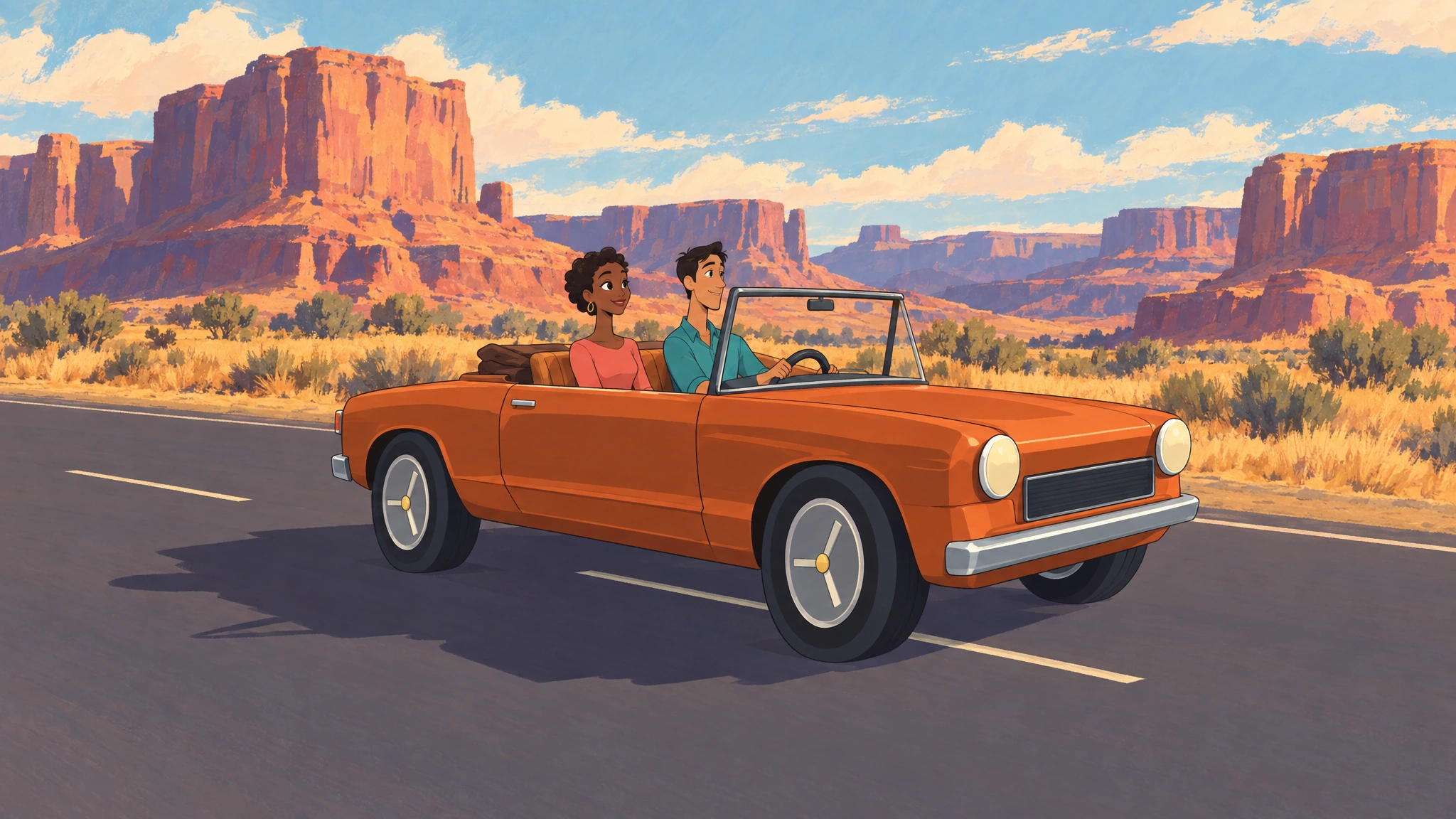 Car / Stylized
Painted Highway
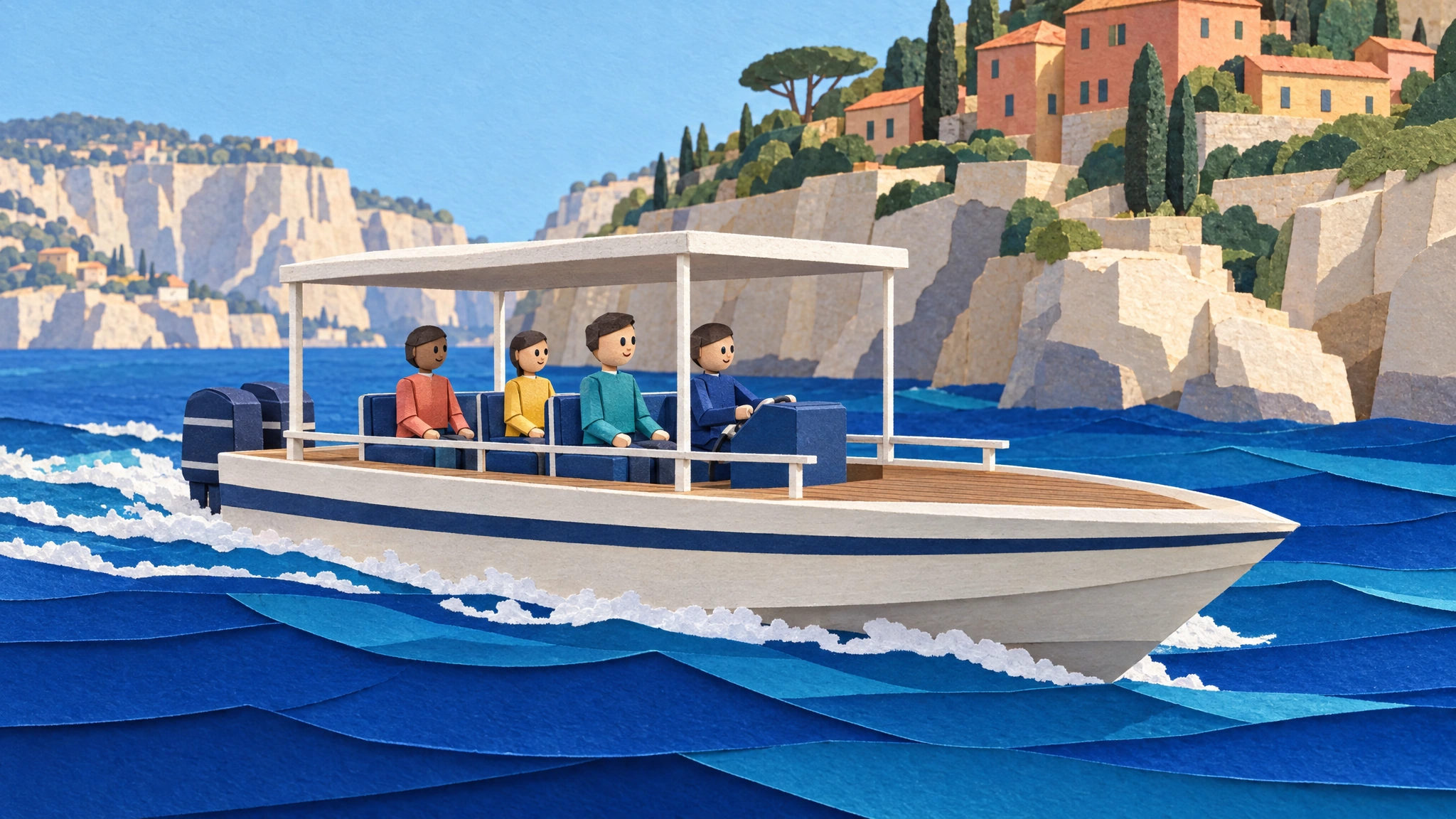 Boat / Stylized
Paper Riviera
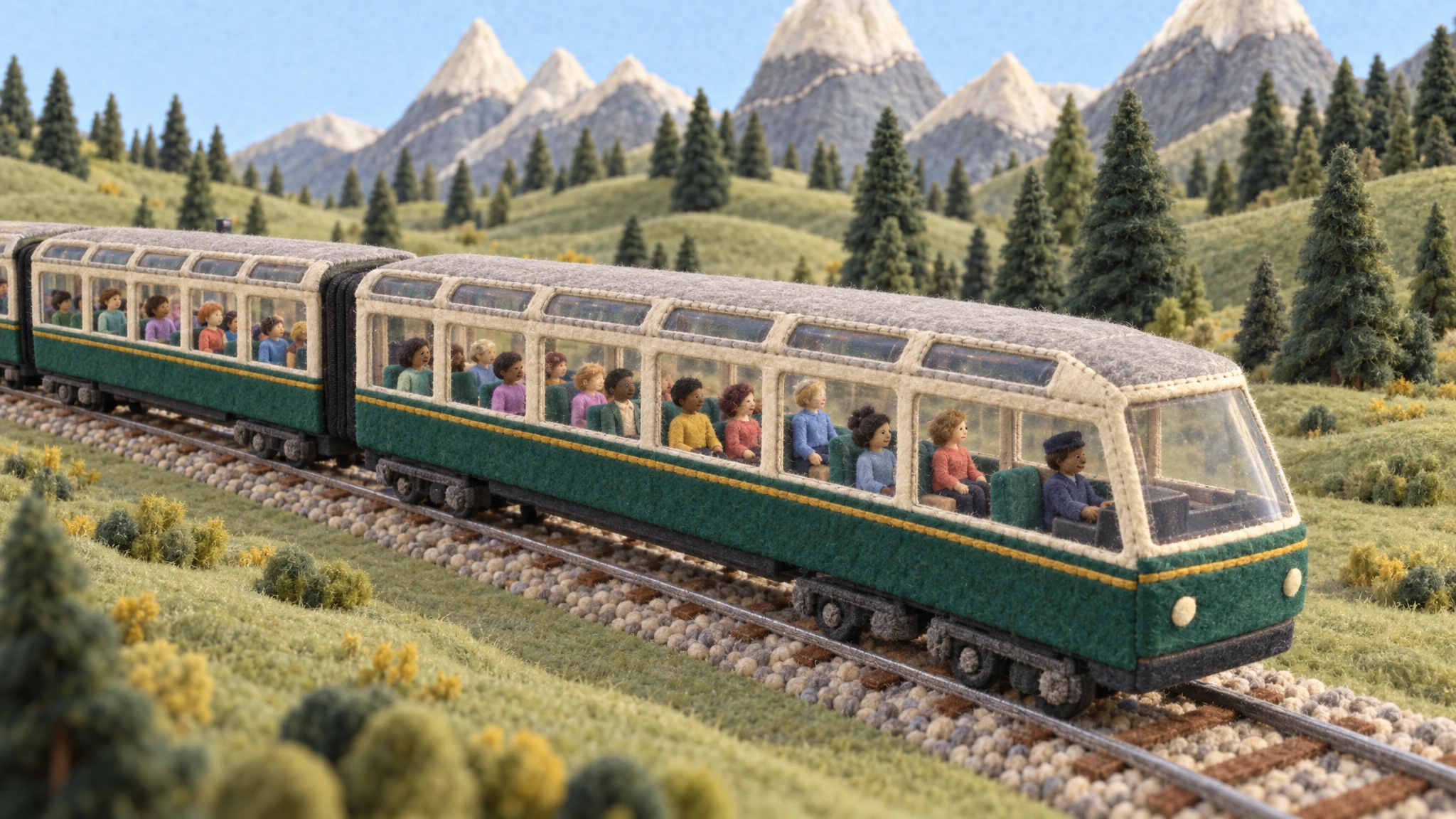 Train / Stylized
The Woollen Express
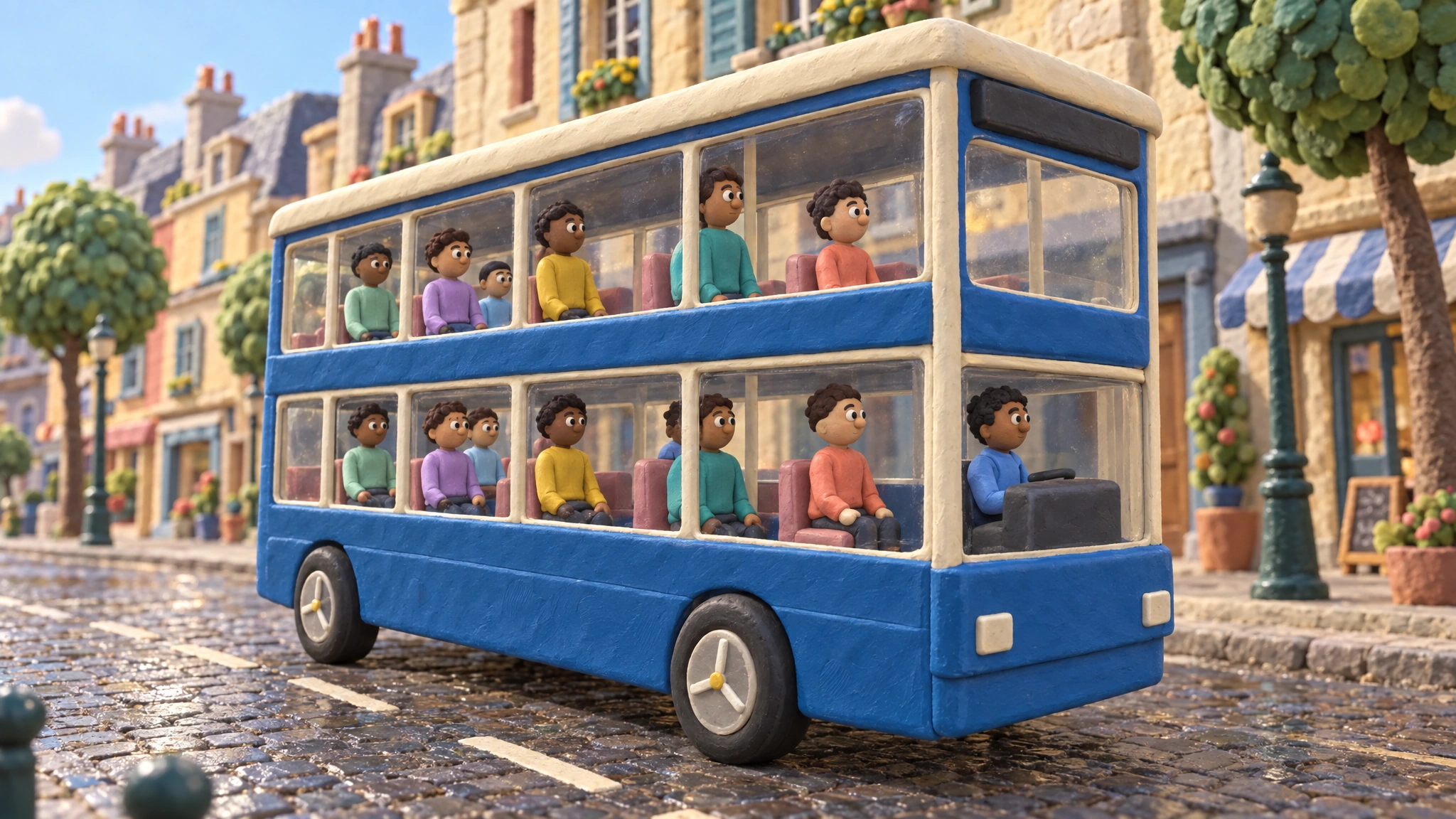 Bus / Stylized
Clay City Express
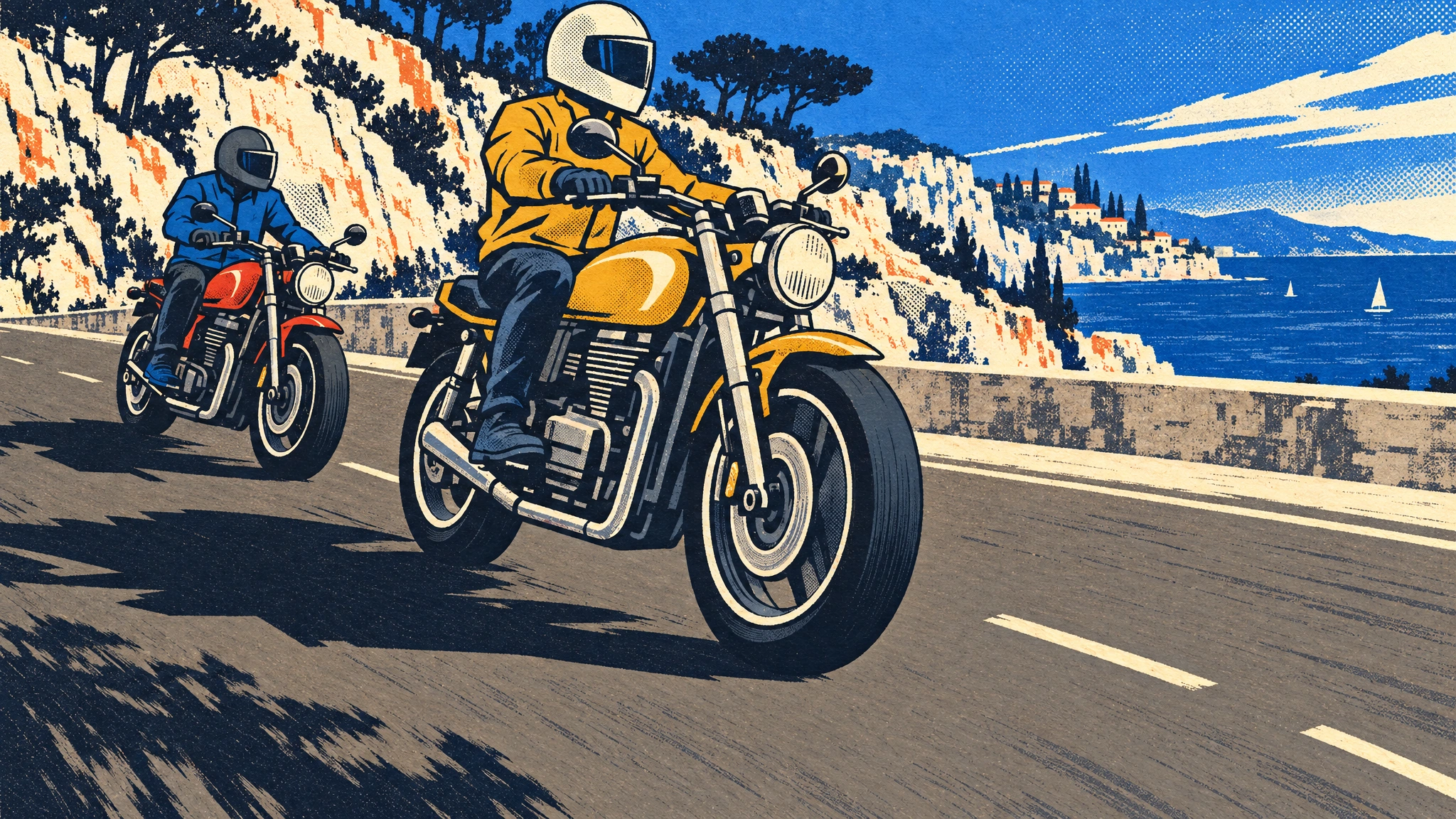 Motorcycle / Stylized
Ink & Asphalt
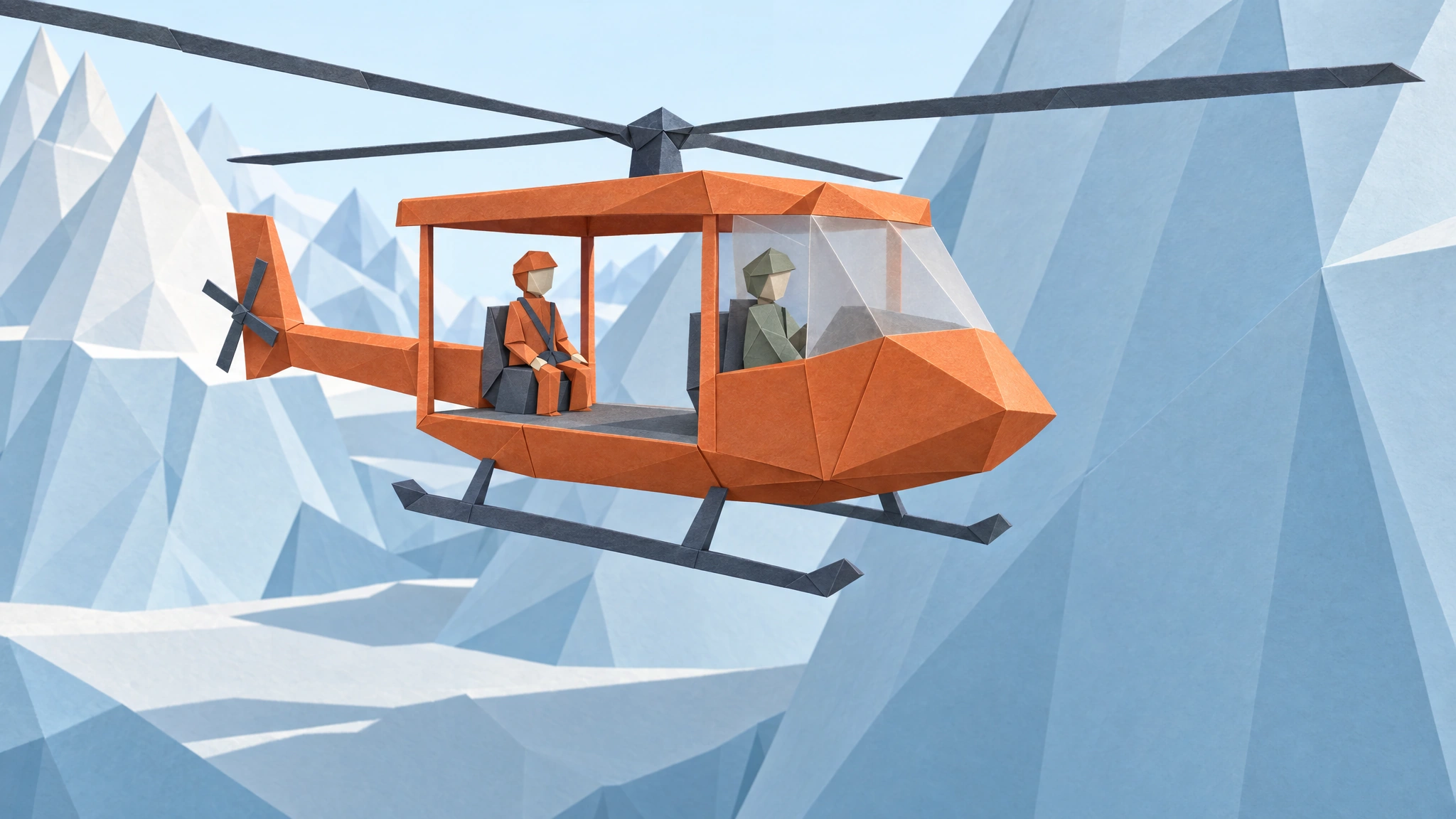 Helicopter / Stylized
Folded Rescue
Seedance generated two short character lines and scene sound for each film. ACE-Step 1.5 Text to Music, Quality, generated a separate 20-second instrumental cue: surf rock, Mediterranean acoustic adventure, chamber folk, comic jazz, breakbeat or a minimalist rescue score. The music is mixed lower during the spoken lines, with a short closing fade.
One review found three source-placeholder shapes in the new references: an oval boat bow, an open bus front and a second helicopter belly. One targeted edit per image restored the selected master’s construction before those films were submitted. Original versions, exact requests and selected replacements are retained.
The felt train contained four initial Blender frames. They were removed locally and only the opening was retimed to six seconds; later cuts, sound and the 20-second duration remain. Local speech transcription checks the generated dialogue, with small wording or recognition differences retained in the recipes.
05 / Render the journeyLet Seedance connect
the moving scene.
Through Scenario MCP, Seedance 2.5 receives the full native movie and the chronological reference set at 1080p. The train uses its separate master plus nine views; the other scenes use nine images including their master. Each prompt names the image timestamps, vehicle and cast constraints, shot order, travel direction, setting and sound.
The realistic films include generated scene sound. Finished deliveries run for 20 seconds at 24 fps. When timing needs adjustment, the original is preserved and the local conform is recorded in that scene’s recipe.
The camera sequence guides the generation. Details and framing remain an interpretation, not a pixel-exact reconstruction.
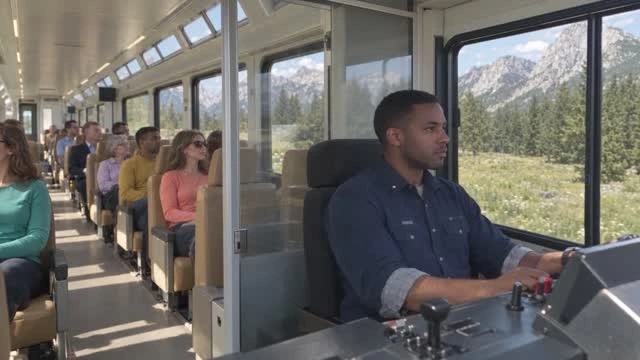 Train example, finished film at 12 seconds: the driver view follows the scene’s front-left staging.
Read the exact Sunburst master prompt
GPT Image 2.5 Sunburst · 2048 × 1152 · max quality
Turn this exact image into an unmistakably REAL, high-end railway photograph. Preserve the exact physical train design, three-car formation, cab/nose geometry, one wide front windscreen, two wipers, upper lamp and lower lamps, dark display panel, five passenger-window bays, glazed roof panels, door locations, roof equipment, six bogies, coupling hardware, green/ivory/gold livery, camera position, composition and landscape. Do not redesign this train or change any of those features.
The change is photographic realism: the current image looks like a computer render. Replace the synthetic surface response with real painted metal, optical glass reflections/transmission, subtly weathered running gear, steel brake hardware, small industrial seams and fasteners, realistic grass, fine ballast and natural mountain detail. Natural bright daytime exposure, nuanced real reflections, cinematic but restrained color, the optical response of a real professional camera, fine photographic grain and real atmospheric depth.
Replace EVERY CGI-looking passenger with an actual photographic adult in the same seat and clothing color. Real human skin, individual faces, hair, fabric, relaxed seated poses. No waxy faces, dolls, plastic bodies, repeated faces or mannequin posture. The driver is a real Black man in a navy work shirt. The driver operates a railway throttle/console; remove the car-like steering wheel inside the cab. Keep the windows transparent enough to see people but physically real and subtly reflective.
Keep the complete train, same crop, same geometry, same five-window near-side pattern and exact same body proportions. This is an in-place photographic finish pass on this one vehicle, not a new design. No illustration or CG aesthetic, no text or logos.
Read the exact Seedance movie prompt
Seedance 2.5 · 1080p · full native video + 10 images · audio enabled
EDIT @video1 into a complete 20-second photorealistic live-action film, using ONE consistent train identity.

@image1 is the definitive vehicle master. Every frame must show THIS SAME physical train, not a similar train. Lock its raked green cab face, single broad front windscreen and two wipers, blank dark destination panel, one central upper lamp, two lower lamps, coupling and grey skirt; five main passenger-window bays and five glazed roof-shoulder panes per carriage; ivory double doors in the same positions; identical silver roof equipment; black gangways; six twin-axle bogies; exactly three coupled cars; dark green/ivory body with a thin gold waist stripe. Never change nose, window spacing, roof machinery, body proportions or livery across shots. The train is enclosed and full-size, with real metal, glass, wheels and suspension, not toy open carriages.

@video1 is the authoritative CAMERA, MOTION and EDIT guide. Retain its route, angle progression, forward travel, character staging and cut timing. Replace its simplified surfaces and people with the master's photographic train and realistic adults. The nine other images were derived directly from that SAME master at source moments, not invented scenes or still-image inserts:
@image2 = 0s opening wide; @image3 = 2s descending tracking; @image4 = 4.5s low side pass; @image5 = 7s overhead; @image6 = 9s front-left cab approach; @image7 = 12s front-left driver/console/aisle view; @image8 = 14s passenger glide; @image9 = 15.75s close traveller; @image10 = 18s elevated pullaway.
Use these for material, person and shot appearance. If a still's crop differs, follow @video1's moving camera rather than stopping on the still. Keep vehicle design from @image1 throughout.

0-6s: ONE continuous camera approach from elevated wide into low side tracking, progressing smoothly along the train. NO cut at 3s, no camera reset or backward jump. In the low angle show windows and seated faces as well as running gear, not only wheels.
6-9s: cut to the source elevated crossover, becoming near-vertical around 7s; roofs dominate at that moment. Keep three coupled cars and correct roof identity. No substitution with an eye-level orbit.
9-13s: cut to the source front-left cab approach, then follow its smooth virtual-camera reveal toward the driver. End in @image7's view, ahead-left of the same navy-shirted driver, console in lower-right foreground, passengers receding behind toward upper-left through a clear cab partition. Preserve the source angle and staging; do not invent a side-on private-cab shot. The virtual camera can reveal through transparent glazing, while the train body and glass remain continuously intact, without walls disappearing.
13-16s: cut inside the middle carriage and glide along the source aisle toward the same slate-blue woman with dark hair in a bun beside the right window. Mustard-clad foreground passenger and pink/light-blue passengers remain in their seats behind. Preserve her face, hairstyle and clothes through the approach.
16-20s: cut to the source rising wide pullaway, same three-car train continuing briskly forward. Camera rises and recedes into a wider view, no sudden close hero crop or spatial reset. Clean cuts only at 6, 9, 13 and 16 seconds.

Bright Alpine meadow and limestone mountains, larches, stable natural daylight and real atmospheric depth. Moving train through FIXED scenery in every shot: continuous wheel rotation, parallax, shadows and restrained motion blur. About 24 real adult passengers and one driver, recognizable clothing groups in navy, teal, coral, mustard, blue, lilac, rose and mint. Same master driver and the same traveller in all relevant views. Natural small seated movements, skin and fabric. Interior tan seats, ivory ceiling, green sills, transparent reflective glass. No plastic figures, duplicated faces, CG finish, reverse movement, freeze, montage, extra shot, captions or logos.
Audio: continuous diegetic railway rhythm, motor hum, outdoor wind and quiet enclosed carriage ambience. No music, narration or speech.
Production notes, costs and comparison limits
The selected Sunburst master and nine views report 512 CU; the successful Seedance movie reports 2,722 CU. Two earlier image steps add 93 CU. These figures exclude older revisions and unverified net charges or refunds for failed jobs.
Three preceding video submissions failed on input downloads. A later user-requested restart succeeded with the same v4 inputs in about nine minutes. The precise failure cause remains unknown. All attempts and receipts were preserved.
The viewer now focuses on Seedance 2.5. Earlier model trials remain in the production archive. Car, boat, bus, motorcycle and helicopter extend this method with distinct action-film settings.
Train construction sources and image licenses are listed on the reference page.
